
Early OLPC Experiences in Uruguay: Beyond the $100 Laptop Hype
Early OLPC Experiences in a Rural Uruguayan School
This research paper presents an independent field study of the "One Laptop Per Child" (OLPC) initiative in Villa Cardal, Uruguay, known as Proyecto Ceibal. Using participatory design methods with primary school children, the study evaluates the XO-B2 laptop's impact on education, social interaction, and digital literacy in a rural setting.
TL;DR
This seminal 2008 study investigates the real-world deployment of the One Laptop Per Child (OLPC) XO-B2 laptops in rural Uruguay. While the laptops successfully boosted student engagement and social collaboration, the research highlights a "usability gap" caused by fragile hardware (20% breakage) and software that wasn't sufficiently localized for the cognitive and cultural needs of rural children.
Background: The Ceibal Experiment
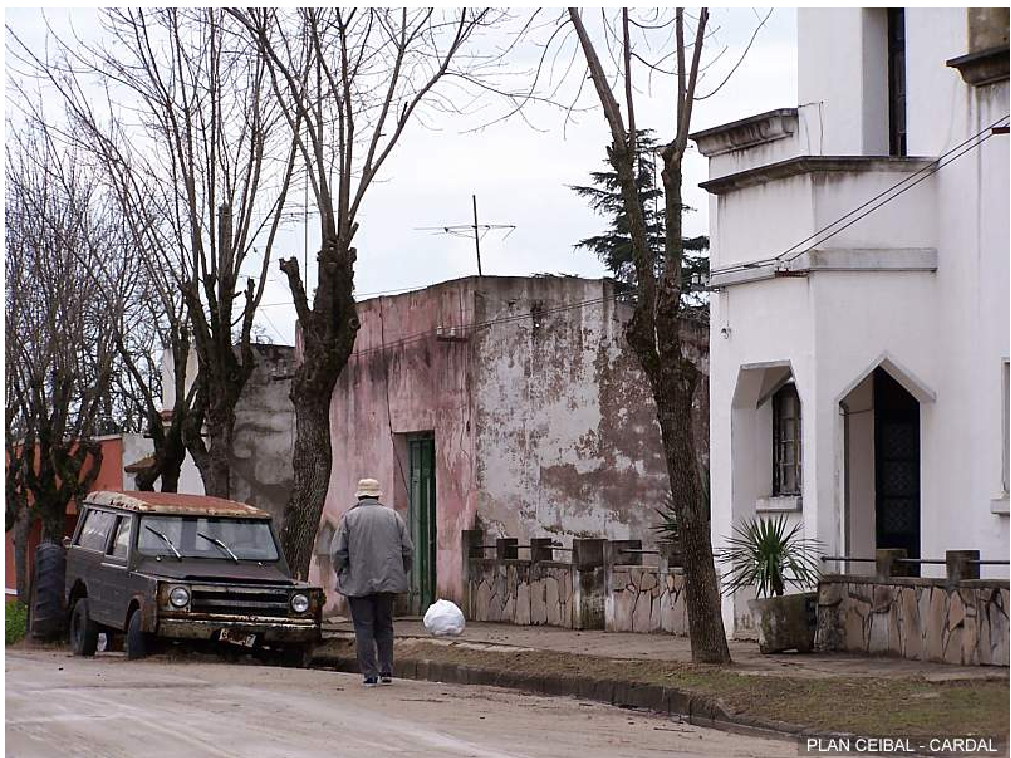
In 2007, Uruguay launched Proyecto Ceibal, an ambitious national plan to provide every primary school child with a laptop. This paper focuses on the pilot phase in Villa Cardal, a small rural town. Unlike many manufacturer-led reports, this study provides an independent academic lens on how children actually interact with the "green machine" in an environment without central heating or stable home electricity.

Problem: The Friction of the Digital Divide
The "Digital Divide" isn't just about owning a device; it’s about the friction in using it. The authors identified three core pain points that threatened the project's sustainability:
- Hardware Fragility: Many keyboards and touchpads failed under the rigors of rural use.
- Infrastructure Bottlenecks: Connectivity was "spotty," limiting the laptops to offline tools rather than windows to the global economy.
- UI/UX Mismatch: Standard desktop metaphors (file browsers, email clients) were too abstract and "small" for young children with developing motor skills.
Methodology: Putting Children in the Driver's Seat
The researchers avoided traditional surveys, opting instead for Participatory Design. They treated children as "experts in being children."
- The Sticky Note Activity: Children categorized what they loved (Internet, taking photos, games) and what they hated (connectivity, the file browser).
- Direct Observation: The team watched children navigate complex software like Squeak (a Smalltalk-based programming environment).
Key Insights: Why "Translation" is Not "Localization"
One of the most profound findings was the failure of the music authoring software. While the interface was translated into Spanish, it didn't support the cumbia rhythms local children listened to. This insight reveals a critical lesson for EdTech: Localization must be conceptual, not just linguistic.
Technical Hurdles and Triumphs
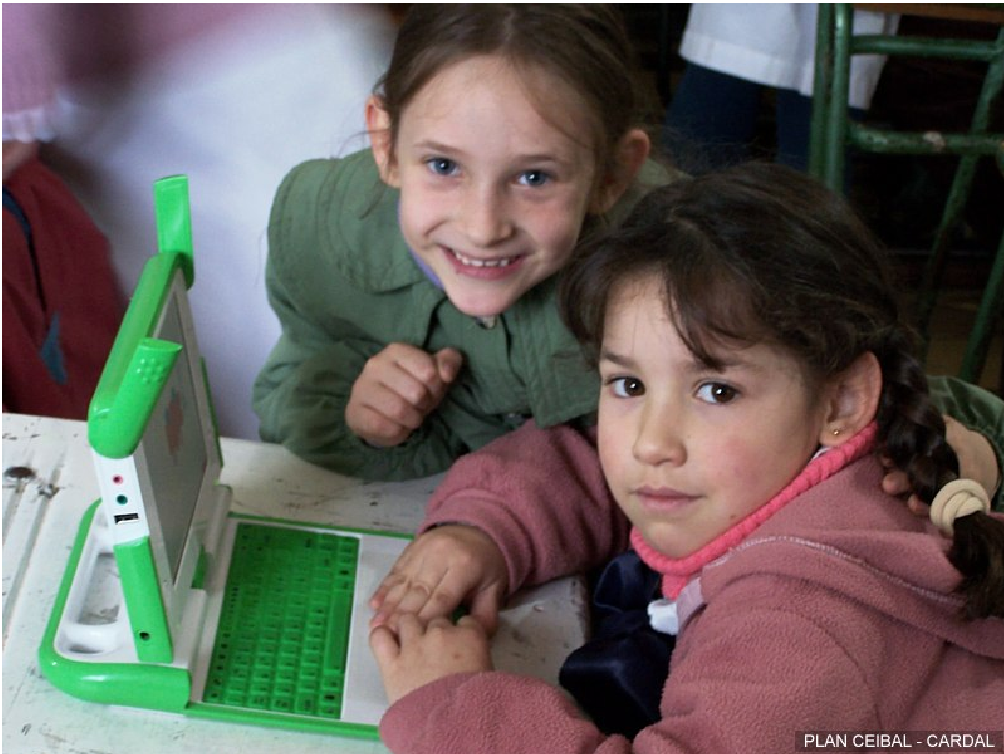
- Social Catalyst: Contrary to fears that laptops would isolate children, they became "social hubs." Students crowded around screens to share tips on how to pass a game level or find an online resource.
- The "Expert" Child: Children became teachers at home, showing parents how to use the Internet, effectively reversing the traditional knowledge flow in the household.
- SOTA Comparison: While the OLPC Foundation aimed for a $100 price point, the study suggests that cutting costs on input devices (like the touchpad) severely compromised the User Experience (UX).
Critical Analysis & Conclusion
The Villa Cardal pilot was a qualified success. It transformed the learning landscape, but it also served as a warning.
- Takeaway: Innovation in developing regions requires ruggedized hardware and community-centered software.
- Limitations: The "novelty effect" might have inflated positive feelings, and the study's small sample size (one school) means broader nationwide challenges (like maintenance logistics) were only beginning to surface.
Ultimately, this paper argues that the Human-Computer Interaction (HCI) community must play a larger role in these massive government initiatives. If the interface is too small to click and the music doesn't play the local beat, the world's most affordable laptop remains just a toy.