
eCRM 2.0: Beyond 1:1 Marketing to the Social Intelligence Era in Tourism
eCRM 2.0 applications and trends: The use and perceptions of Greek tourism firms of social networks and intelligence
This paper introduces the concept of "eCRM 2.0," a strategic evolution of electronic Customer Relationship Management that leverages Web 2.0's social networking and collective intelligence. It explores how Greek tourism firms transition from traditional 1:1 personalization to collaborative value co-creation with customer communities.
TL;DR
The traditional "one-to-one" marketing model is becoming obsolete in a world where consumers trust peer reviews more than brand slogans. This paper proposes eCRM 2.0, a framework that shifts customer relationship management from a firm-controlled silo to a collaborative ecosystem. By analyzing Greek tourism firms, the research highlights a "defensive" adoption of social tools and calls for a radical shift in how we measure customer value—moving from transaction logs to social influence.
The "1:1" Trap: Why Traditional eCRM is Failing
For years, eCRM was synonymous with personalization: "Hello [Name], here is a 10% discount for your next stay." While effective for basic retention, this ignores the network effect. Modern travelers don't just consume; they co-create, critique, and communicate.
The author argues that existing eCRM strategies are too narrow because:
- They focus on transaction history rather than the richness of User-Generated Content (UGC).
- They overlook C2C (Customer-to-Customer) interactions where brand reputation is actually built or destroyed.
- They treat customers as passive targets instead of active partners in the value chain.
Methodology: The Synthesis of Connectivity and Intelligence
The paper bridges the gap by merging two powerful academic frameworks:
- Dutta's Matrix: Focusing on customer connectivity and market integration.
- Gibbert’s CKM Styles: Transforming "CRM" into "Customer Knowledge Management," focusing on prosumerism and mutual innovation.
The eCRM 2.0 Framework
The core of the methodology is the classification of customer information into three buckets:
- Of-the-customer: Transactional and profile data.
- For-the-customer: Strategic information provided to help customers decide.
- By-the-customer: Feedback, complaints, and creative ideas that should drive business improvement.
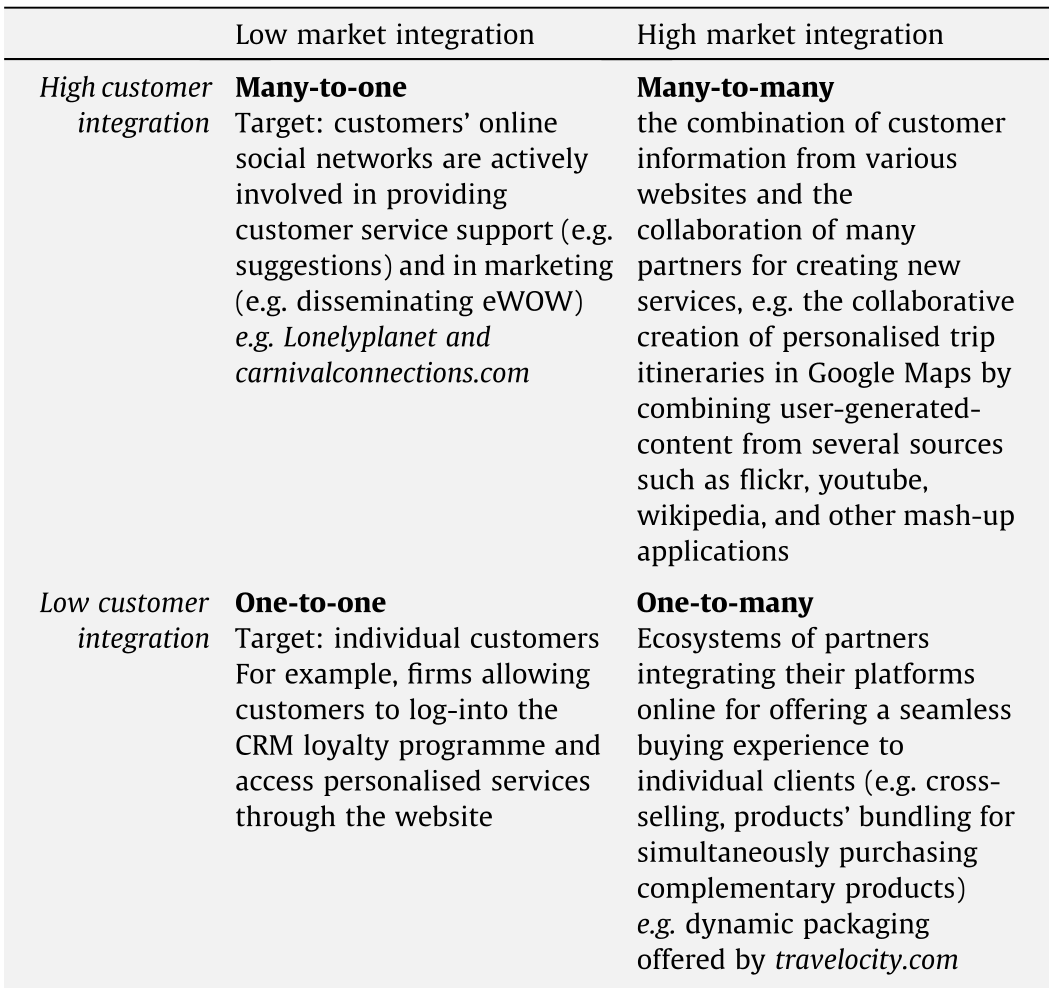 Figure 1: Leveraging Market and Customer Integration (Adapted from Dutta et al.)
Experimental Findings: A "Defensive" Reality Check
The study of Greek tourism firms reveals a stark contrast between theory and practice. Despite the hype surrounding Web 2.0, adoption is largely reactive.
| Relational Phase | Key Focus | Usage Rate (%) |
|---|---|---|
| Acquisition | Brand Awareness / Targeting | ~25% |
| Retention | Community Building / NPD | <1% |
| Win Back | Reputation Monitoring | 38.3% |
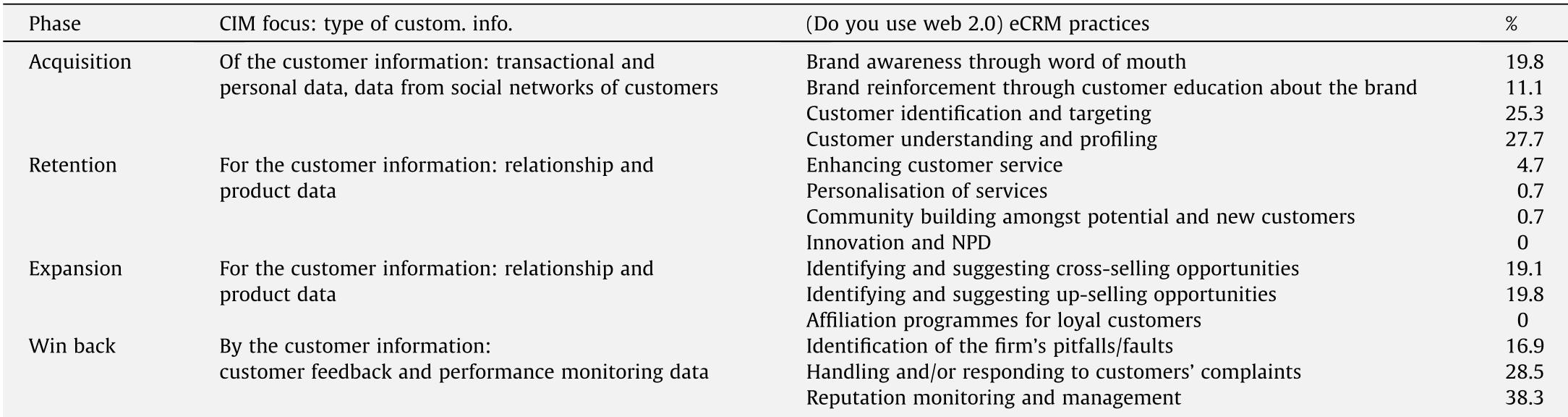 Figure 2: The "Retention Gap" in Greek Tourism Firms
Analysis: Firms are using social media as a fire extinguisher (Reputation Management) or a megaphone (Acquisition), but they are totally ignoring the "Community Building" fuel needed for the middle of the customer lifecycle.
Barriers to Entry: More Cultural than Technical
The focused group discussions identified three critical "Readiness" barriers:
- The Skill Gap: Managers are afraid to let employees spend time on social media, often viewing it as a "waste of time."
- The Risk Perception: Fears of "mischievous" competitors and unverified reviews lead to a defensive posture.
- Obsolute Metrics: We are still measuring "Economic Lifetime Value" (how much they spend) while ignoring "Social Value" (how much they influence others).
Critical Analysis & Conclusion: The ROI of Social Influence
The most profound takeaway is the need for a Social Customer Value metric. A customer who spends little but has a massive following and creates high-quality travel vlogs might be more valuable than a high-spender who stays silent.
Key Lessons:
- Institutional Change: Web 2.0 tasks must be officially integrated into e-marketer job descriptions.
- From Salesman to Consultant: Marketers must shift from "pushing deals" to "facilitating communities."
- Limitations: The study's small sample size (126 firms) focused on Greece limits its global generalizability, but the "Retention Gap" it identifies is likely a worldwide phenomenon in traditional industries.
Future Outlook: As we move toward AI-integrated CRM, the ability to synthesize "By-the-customer" information will become the ultimate competitive advantage. Firms that continue to ignore the social intelligence of their communities will likely find themselves shouting into an empty room.