
EDA Wavelet Features: A New Frontier in Objective Social Anxiety Estimation
8494_EDA wavelet features as Social Anxiety Disorder (SAD) estimator in adolescent females.
This paper introduces a machine learning approach to estimate Social Anxiety Disorder (SAD) in adolescent females using Electrodermal Activity (EDA) signals processed via Wavelet Analysis. By extracting joint time-frequency domain features and employing a Multilayer Perceptron (MLP) classifier, the researchers achieved a social anxiety classification accuracy of up to 85.7% during testing.
Executive Summary
TL;DR: Researchers have developed a high-accuracy system (85.7% test accuracy) for identifying Social Anxiety Disorder (SAD) by analyzing skin conductance (EDA) through the lens of Wavelet Transformation. By moving beyond simple means and slopes, the study captures the hidden "texture" of physiological stress in adolescent females.
Background Positioning: This work represents a significant step in Affective Computing, transitioning from subjective self-reporting (like the SPIN scale) to objective, sensor-based diagnostics. It bridges the gap between signal processing theory (Wavelet Analysis) and clinical psychology.
Motivation: The Limits of Traditional Biosensing
Social Anxiety Disorder is more than just "being shy"; it is a debilitating condition linked to the Autonomic Nervous System (ANS). While EDA has long been a "gold standard" for measuring arousal, previous research often relied on static features like the range or mean of the Signal Conductance Level (SCL).
The problem? Physiological signals are non-stationary. They drift, spike, and change frequency over time. Static statistics wash away the temporal nuances that distinguish a "high-anxiety" spike from a "normal" physiological fluctuation. The authors recognized that to truly "see" anxiety, they needed a tool that captures both time and frequency simultaneously.
Methodology: Why Wavelets?
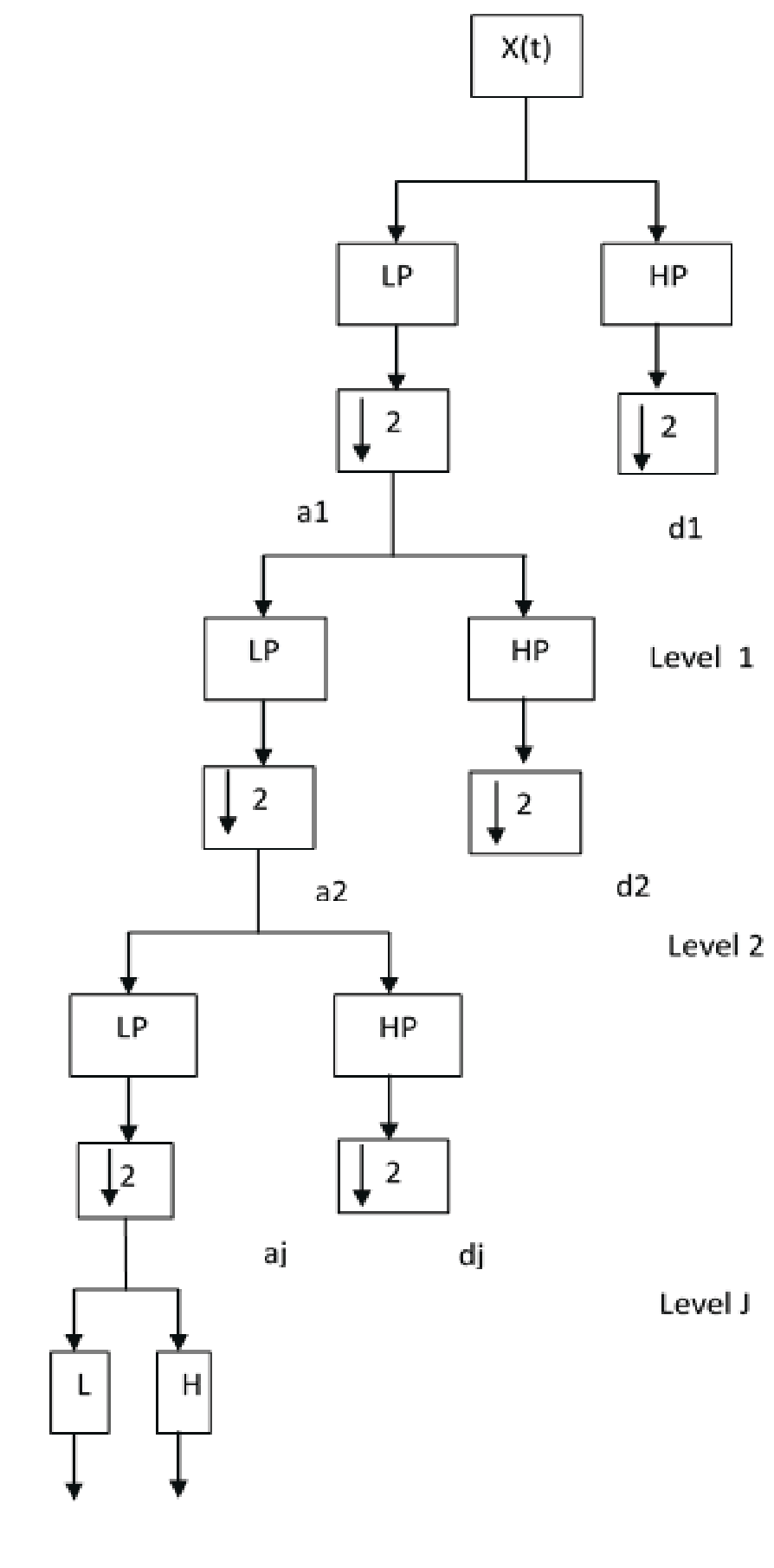
The core innovation lies in the use of Discrete Wavelet Transformation (DWT). Unlike Fourier Transforms, which lose temporal data, Wavelets allow the researchers to localize specific frequency changes at specific times.
1. Feature Extraction via "db3"
The researchers chose the Daubechies 3 (db3) mother wavelet because it provides the lowest Mean Square Error (MSE) for representing the unique shape of EDA signals. This process decomposes the signal into:
- Approximation Coefficients: Capturing the general trend (Tonic activity).
- Detail Coefficients: Capturing the rapid changes or "shimmer" in the signal (Phasic activity).
2. The MLP Architecture
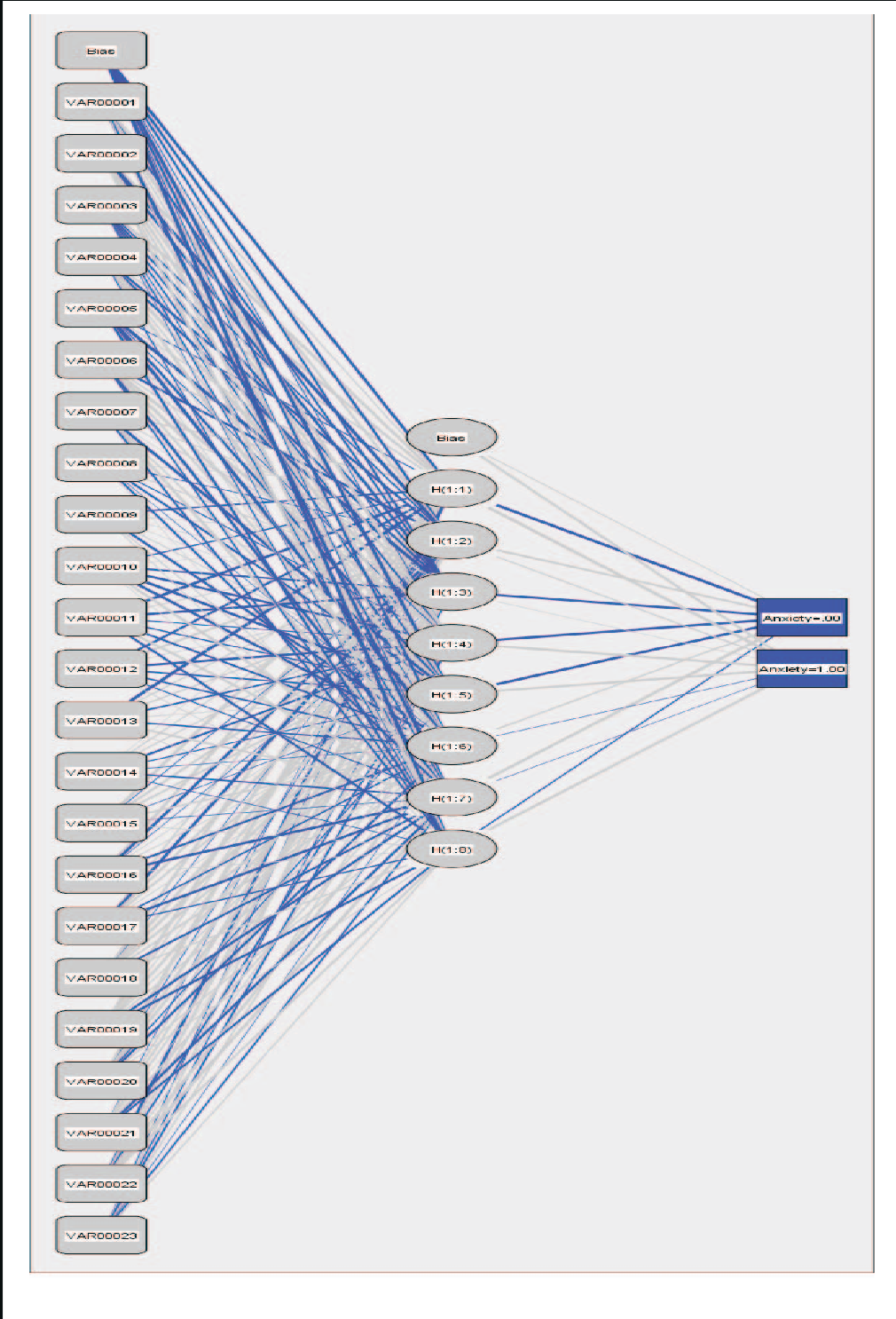
Instead of dumping all raw data into a model, the authors used Backward Regression to prune the feature set to 23 significant coefficients. These were fed into a Multilayer Perceptron (MLP).
- Activation: Hyperbolic Tangent (Hidden) and Softmax (Output).
- Optimization: Scaled Conjugate Gradient.
Performance & Insights
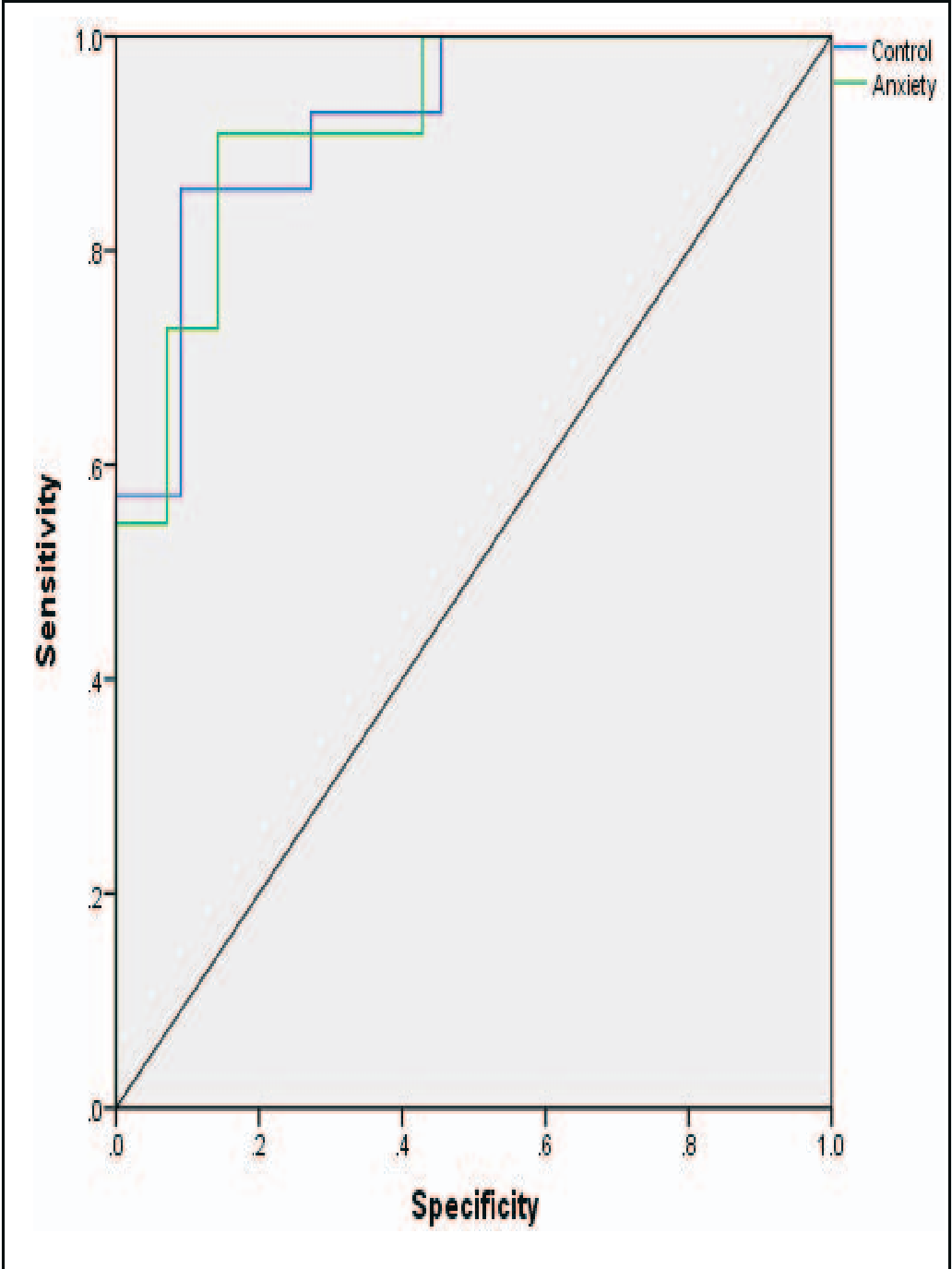
The results validate the wavelet approach. The model doesn't just "guess"; it achieves an AUC of 0.922, meaning there is a very high probability that the model will correctly rank a random anxious subject higher than a random healthy subject.
| Phase | Accuracy |
|---|---|
| Training | 82.3% |
| Testing | 85.7% |
| Holdout | 80.0% |
The high "Testing" accuracy suggests the model generalizes well to new, unseen physiological patterns, a critical requirement for any clinical diagnostic tool.
Critical Analysis & Conclusion
Takeaway
The success of this method proves that spectral "fingerprints" of our skin's electrical activity contain enough information to distinguish clinical anxiety from baseline states. For the tech industry, this suggests that wearables (Smartwatches, rings) could eventually provide early-warning signs for SAD using similar wavelet-based algorithms.
Limitations
- Demographic Specificity: The study focused solely on females aged 16-18. While this is a high-risk group, the "anxiety signature" might look different in males or older adults.
- Lack of Formal Diagnosis: Subjects were screened via self-assessment (SPIN), not by clinical psychologists. Future work should use a "Gold Standard" clinical diagnosis as the ground truth.
Future Outlook
The path forward involves real-time emotion detection. Imagine a VR-based therapy session where the system detects your rising anxiety via wavelet analysis of your EDA and dynamically adjusts the "stressor" to keep the patient in a therapeutic window. This paper provides the mathematical foundation for such a responsive future.