
Deciphering the Digital Classroom: A Decade of Educational Data Mining (EDM)
Educational data mining applications and tasks: A survey of the last 10 years
This paper provides a comprehensive survey and taxonomy of Educational Data Mining (EDM) tasks and applications from 2005 to 2017. It categorizes the field into three primary pillars: Student Modeling, Decision Support Systems, and specialized areas like Adaptive Systems, providing a structured map for both researchers and educators.
TL;DR
Higher education is no longer just about lectures and exams; it’s about the massive digital footprints left behind in Learning Management Systems (LMS). This survey paper systematically organizes ten years of EDM research into a "Taxonomy of Tasks," providing a roadmap for how data can predict performance, detect cheating, and personalize learning. It bridges the gap between pure data science and pedagogical theory.
Background: From Drill-Based Machines to Big Data
The intersection of Computing Science and Education isn't new—it dates back to B.F. Skinner’s "teaching machines" in the 1950s. However, the 1991 launch of the Web and the subsequent rise of MOOCs transformed the field. In 2005, the term Educational Data Mining (EDM) was officially coined, shifting the focus from mere "computer-assisted training" to deep analysis of the learning process itself.
The Problem: A Field in Search of a Map
Before this survey, the EDM landscape was fragmented. Educators—the people who actually need these tools—often found the technical jargon of "Association Rule Mining" or "Latent Dirichlet Allocation" inaccessible. Furthermore, earlier taxonomies were often inconsistent. The authors realized that to make EDM useful, we need to categorize it by Objective (What are we trying to achieve?) and Stakeholder (Who is it for?).
Methodology: The 13-Category Taxonomy
The authors propose a structured hierarchy of EDM applications, primarily divided into three clusters:
1. Student Modeling (Cognitive Focus)
This is about "knowing the learner." It involves:
- Predicting Performance: Using historical data to estimate future grades.
- Detecting Undesirable Behavior: Identifying cheating or low motivation before it results in failure.
- Profiling: Grouping students not just by similarity, but by how they can complement each other in "Collaborative Learning."
2. Decision Support Systems (Action Focus)
These tools help stakeholders make better choices:
- Early Warning Systems: Real-time alerts for instructors when a student is at risk of dropping out.
- Concept Mapping: Automatically generating the "logic flow" of a course based on how students interact with content.
- Courseware Construction: Using data to decide which videos or readings are actually effective and which should be cut.
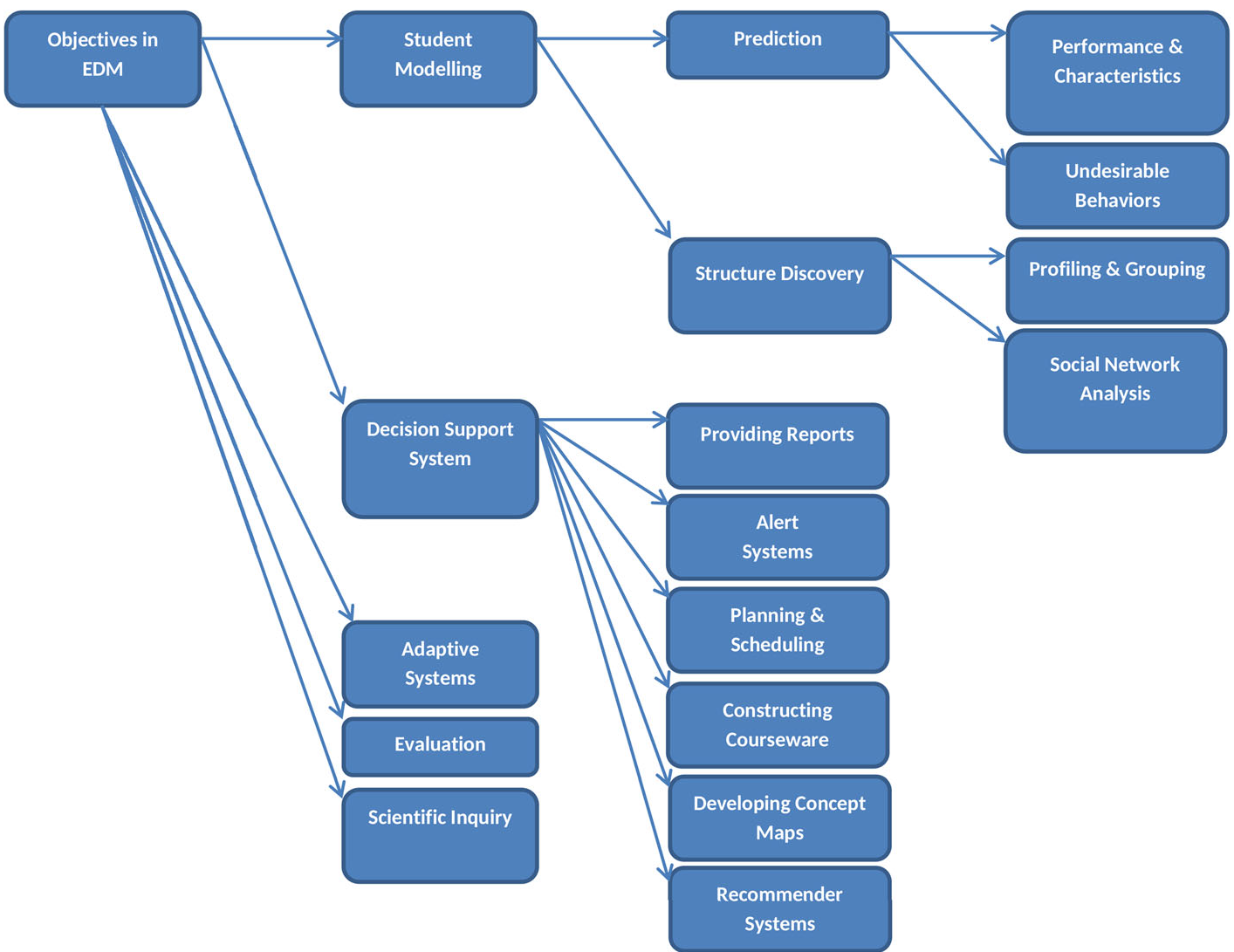 Figure 1: The proposed taxonomy featuring Student Modeling and Decision Support Systems.
Stakeholder Mapping: Who Benefits?
A unique contribution of this paper is the mapping of tasks to specific users. While most research focuses on Educators, the authors highlight under-served areas for Administrators (resource allocation) and Researchers (theory testing).
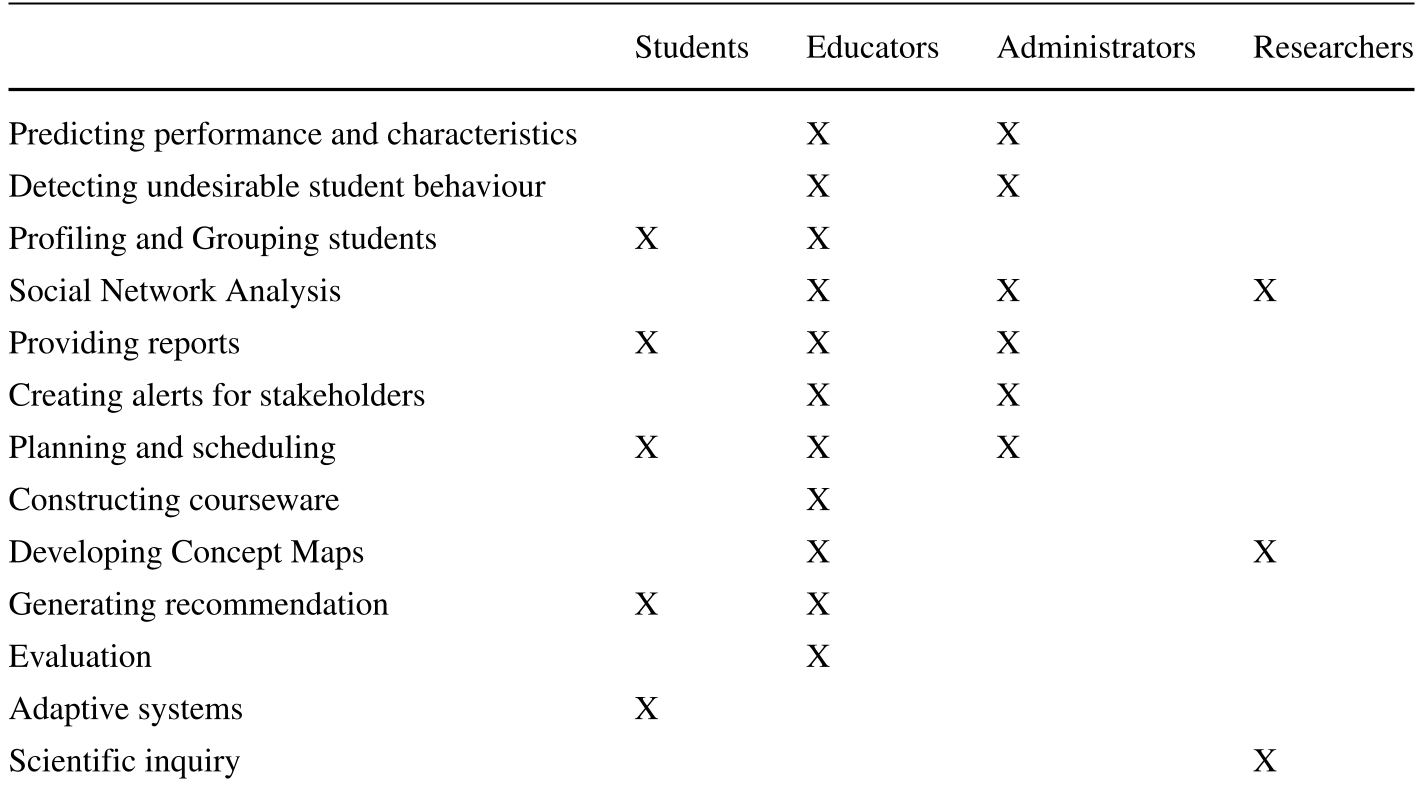 Table 1: Matrix showing how different EDM applications serve Students, Educators, Administrators, and Researchers.
Experimental Insight: The Evolution of the Field
By comparing their taxonomy against previous major surveys (Baker & Yacef 2009, Romero & Ventura 2010), the authors show how EDM has expanded. While traditional Data Mining focused on Classification and Clustering, modern EDM now embraces Social Network Analysis (SNA) to measure "collaborative cohesion" and Text Mining to understand forum discussions.
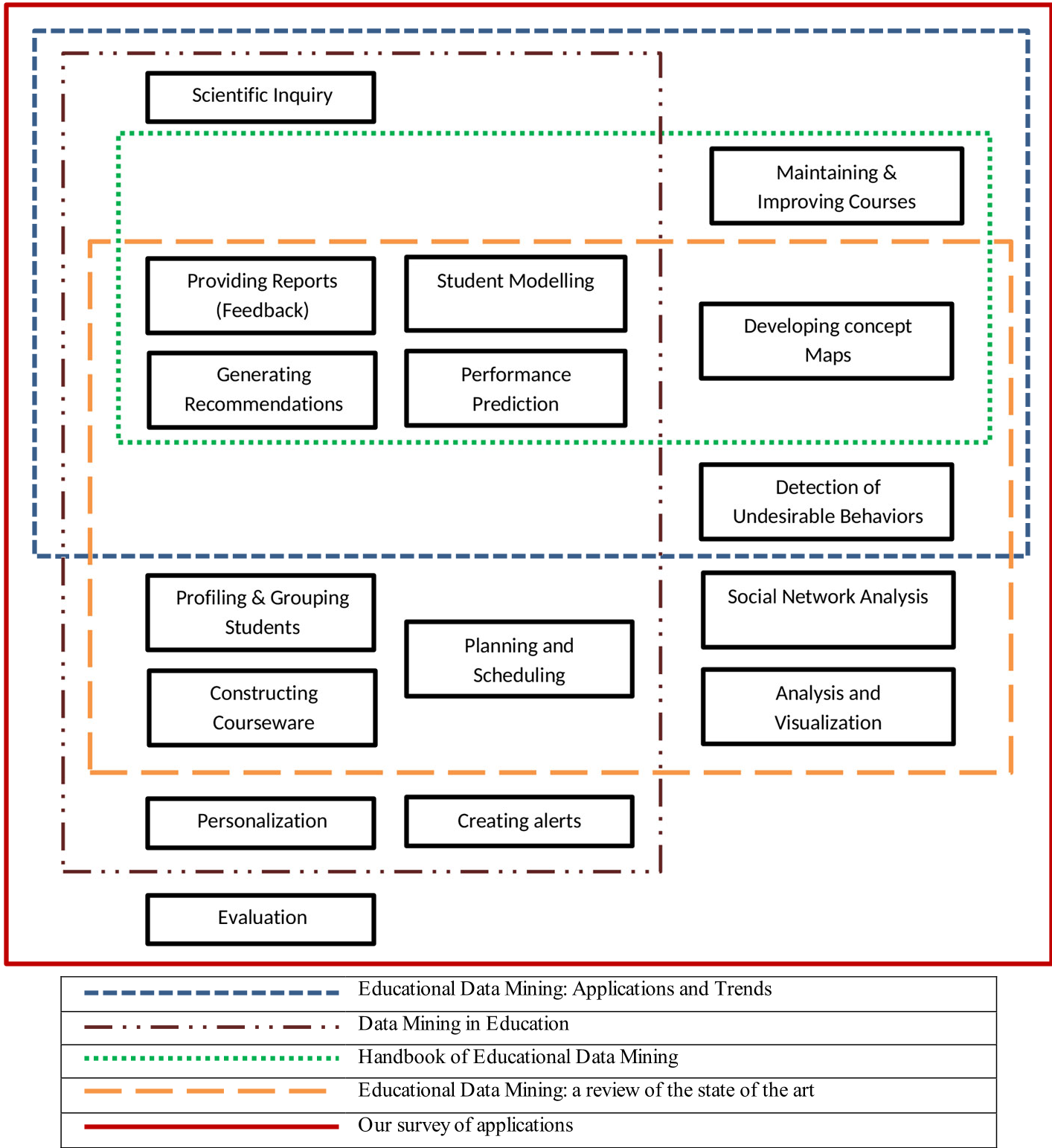 Figure 2: A visual comparison across major EDM literature, highlighting the maturity of topics like Student Modeling vs. emerging ones like Evaluation.
Critical Analysis & Conclusion
The paper is a masterclass in synthesis, but it also points out a glaring "Intractability Problem": Student Modeling is hard because human learning isn't always linear or logical.
Key Takeaway: The future of EDM lies in Adaptive Systems—software that doesn't just "report" data but "reacts" to it in real-time to provide personalized hints or adjust the difficulty of a task. As we move into an era of AI-driven education, this taxonomy provides the essential scaffolding for building responsible, data-informed classrooms.
Limitations: The paper reflects a pre-LLM era (Generative AI). The next evolution of this taxonomy will likely need to include "AI-Augmented Learning" and "Human-AI Collaboration" as primary categories.