
EduCo: Reimagining Software Engineering Education as a Social Ecosystem
EduCo: An Integrated Social Environment for Teaching and Learning Software Engineering Courses
This paper introduces EduCo, an integrated web-based social ecosystem specifically designed to assist in teaching and learning software engineering (SE). The system integrates specialized tools like IDEOL (Web IDE), TeamSpace (Project Management), and CoUML (UML Design) through a core framework anchored by social networking services to enhance collaboration and student engagement.
TL;DR
EduCo is an integrated, web-based collaborative environment that brings the "social" back into Software Engineering (SE) education. By fusing real-time programming (IDEOL), project management (TeamSpace), and design tools (CoUML) with a social networking core, it addresses the fragmentation and lack of engagement found in traditional learning management systems.
Academic Positioning: This work bridges the gap between Collaborative Supported Cooperative Learning (CSCL) and professional Collaborative Development Environments (CDEs), positioning social interaction as the primary driver for pedagogical success.
The "Broken" Toolchain of SE Education
Software engineering is inherently collaborative, yet the tools used to teach it are often solo-centric or fragmented. Students bounce between a local IDE (Eclipse), a project tracker (Trello/Redmine), and a generic LMS (Moodle). This creates a "black box" for instructors: they see the final result but miss the messy, vital process of collaboration.
The authors identify a critical motivation: Enjoyment leads to performance. By making the learning experience social—incorporating feeds, dashboards, and real-time awareness—the system aims to stimulate participation and accountability.
Methodology: The EduCo Architecture
The core innovation of EduCo is not just the individual sub-systems, but the Core Framework that binds them.
1. Collaborative IDE (IDEOL)
Unlike a standard code editor, IDEOL supports real-time concurrent editing (similar to Google Docs for code) and synchronous debugging. It integrates a discussion board directly into the coding interface, allowing students to tag specific lines of code in their conversations.
2. The Core Framework & Social Layer
The framework acts as the "Operating System" for the sub-systems. It provides:
- Feeds: Time-based updates on what team members are doing.
- Dashboards: High-level project health and statistics.
- Notifications: Active triggers to keep students involved.
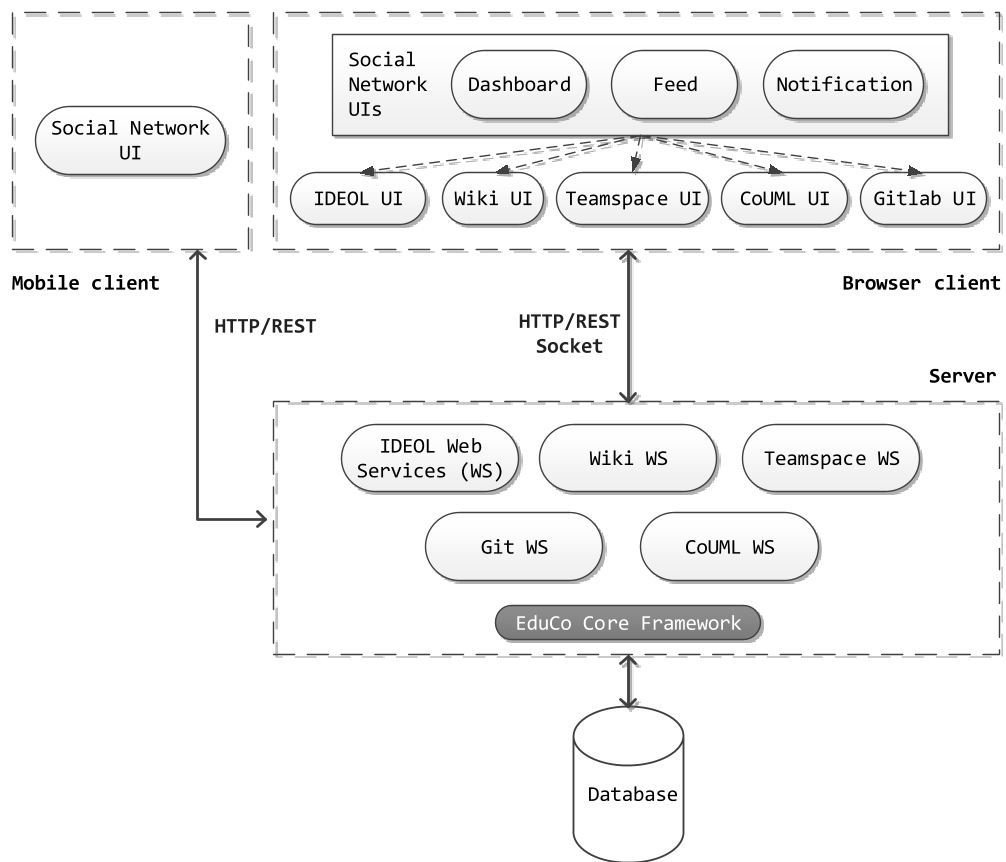 Figure 1: The modular architecture of EduCo, showing how specialized tools link to the Core Framework.
Real-World Insights: Case Studies
The authors deployed IDEOL in several programming courses with telling results:
- Visibility Improves Support: In Case Study 1, students found it significantly easier to track progress and offer help to struggling teammates because they could see active cursors and real-time changes.
- The Procrastination Pattern: By tracking timestamps of activities, the authors confirmed the "academic procrastination" phenomenon. While social collaboration happened early, actual code implementation was heavily back-loaded toward the deadline.
- Informal vs. Formal: Observation showed that students' discussions often blended professional task reporting with informal messaging (emoticons, jokes), suggesting that the social environment successfully lowered the barrier to communication.
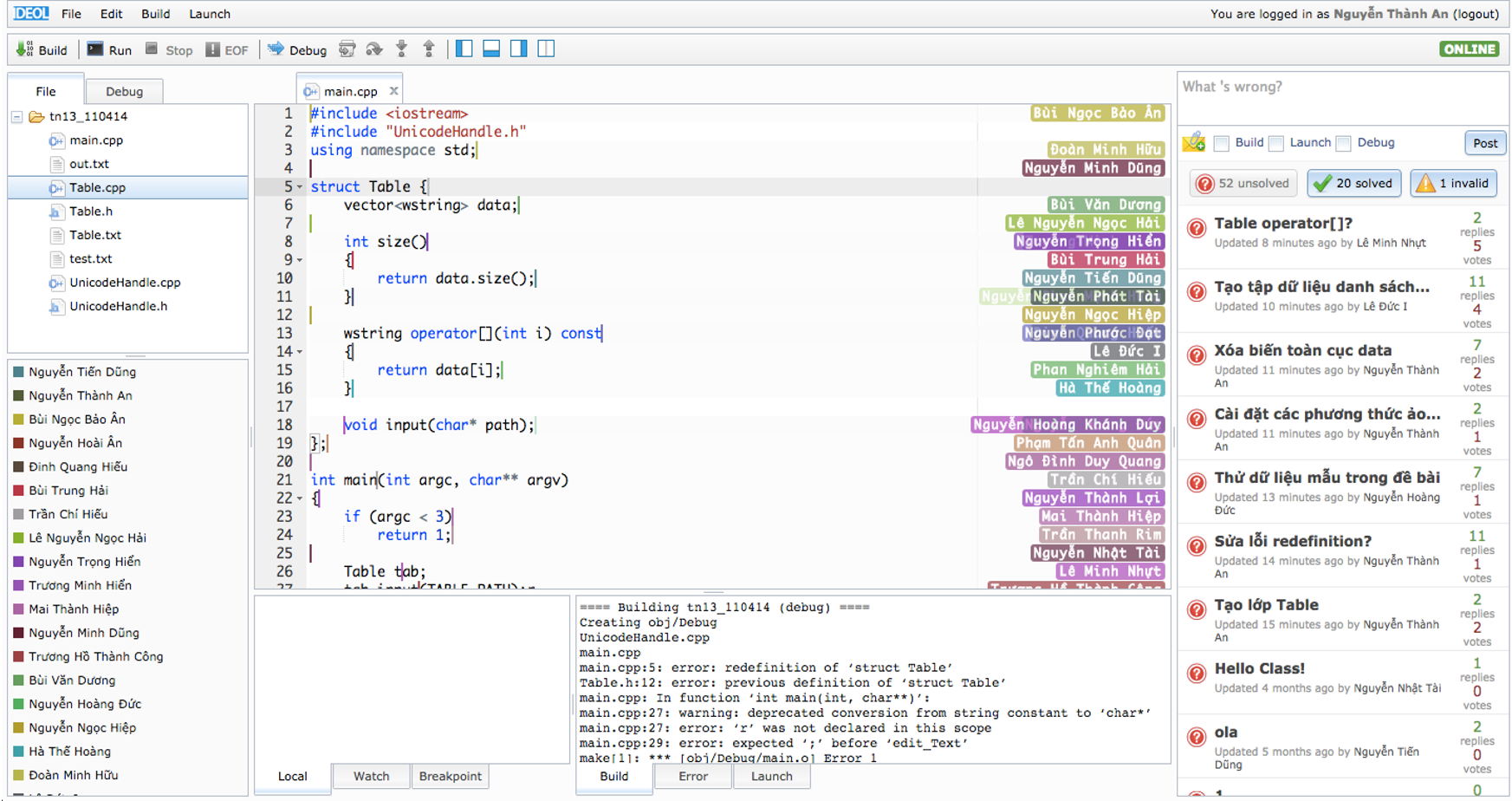 Figure 2: A live session in IDEOL with 40 active students, demonstrating localized cursors and embedded discussion threads.
Critical Analysis: Why It Matters
The true value of EduCo lies in its Accountability Mechanism. In a team project, "social loafing" (the tendency of individuals to put in less effort in a group) is common. EduCo makes individual contributions visible not just to the instructor, but to the entire team. This "Social Translucence" creates a healthy social pressure to contribute.
Limitations
- Tool Complexity: Building a Web IDE that competes with professional tools like VS Code or IntelliJ is a monumental task. Students noted the lack of "intelligent code completion" as a drawback compared to established IDEs.
- Instructional Overhead: Managing a live social stream requires more active participation from instructors, which may not scale without automated AI moderation or analysis.
Future Outlook
EduCo represents a shift toward Data-Driven Education. As the system captures every keystroke and social interaction, it builds a "Knowledge Base" that could eventually recommend solutions or detect plagiarism automatically. For the future of SE training, the message is clear: the code is only half of the story; the social interaction surrounding the code defines the success of the engineer.