
MAGO: Decoding Functional Gene Interactions via Multilevel Association Rules
Efficient mining of multilevel gene association rules from microarray and gene ontology
This paper introduces MAGO (Multilevel Association rules with Gene Ontology), a novel data mining framework that integrates microarray gene expression data with the hierarchical structure of Gene Ontology (GO). By generalizing individual genes into high-level biological concepts, the method discovers complex multilevel interactions and "level-crossing" rules that traditional flat association mining or clustering techniques often overlook.
TL;DR
The MAGO (Multilevel Association rules with Gene Ontology) framework transforms high-dimensional microarray data into a hierarchy-aware knowledge base. By grouping genes into functional terms during the mining process, it uncovers "level-crossing" relationships that standard clustering misses. It turns thousands of noisy gene-level rules into meaningful process-level insights, such as linking amino acid biosynthesis directly to sterol metabolic pathways.
Problem & Motivation
In the post-genomic era, identifying which genes "fire together" is crucial. While clustering (e.g., K-means) identifies genes with similar expression curves, Association Rule Mining (ARM) offers a deeper "If-Then" logic (e.g., if Gene A is up, Process B is likely down).
However, ARM in bioinformatics faces two "curses":
- Rule Explosion: A single chip can produce millions of rules, most which are redundant or biologically trivial.
- The Support Threshold Paradox: High-level functional terms (like "Metabolism") have high frequency (high support), while granular terms (like "Iron Ion Transport") have low frequency. A single threshold either misses details or generates too much noise.
The authors' insight was to move the grouping of genes from the post-processing phase to the mining phase, using the Gene Ontology (GO) as a guide.
Methodology: Mining the Hierarchy
The MAGO workflow consists of three critical stages:
1. Hierarchy-Information Encoding
Each gene is mapped to its functional path in the GO DAG. Because GO is a Directed Acyclic Graph, a gene like PHO3 might have multiple parent paths (e.g., contributing to both "Hydrolase Activity" and "Phosphoric Ester Hydrolase Activity").
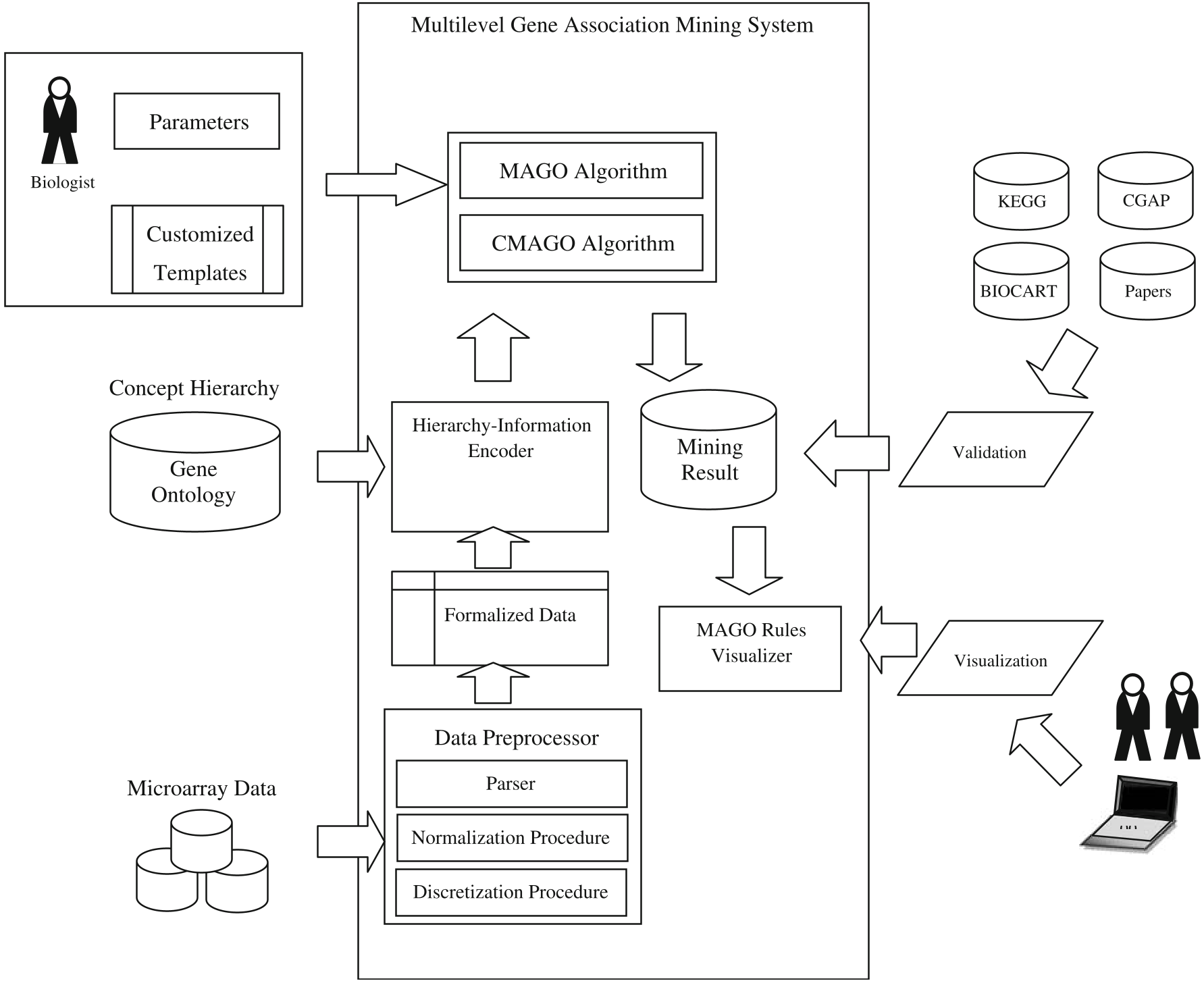
2. Dynamic Support Adjustment
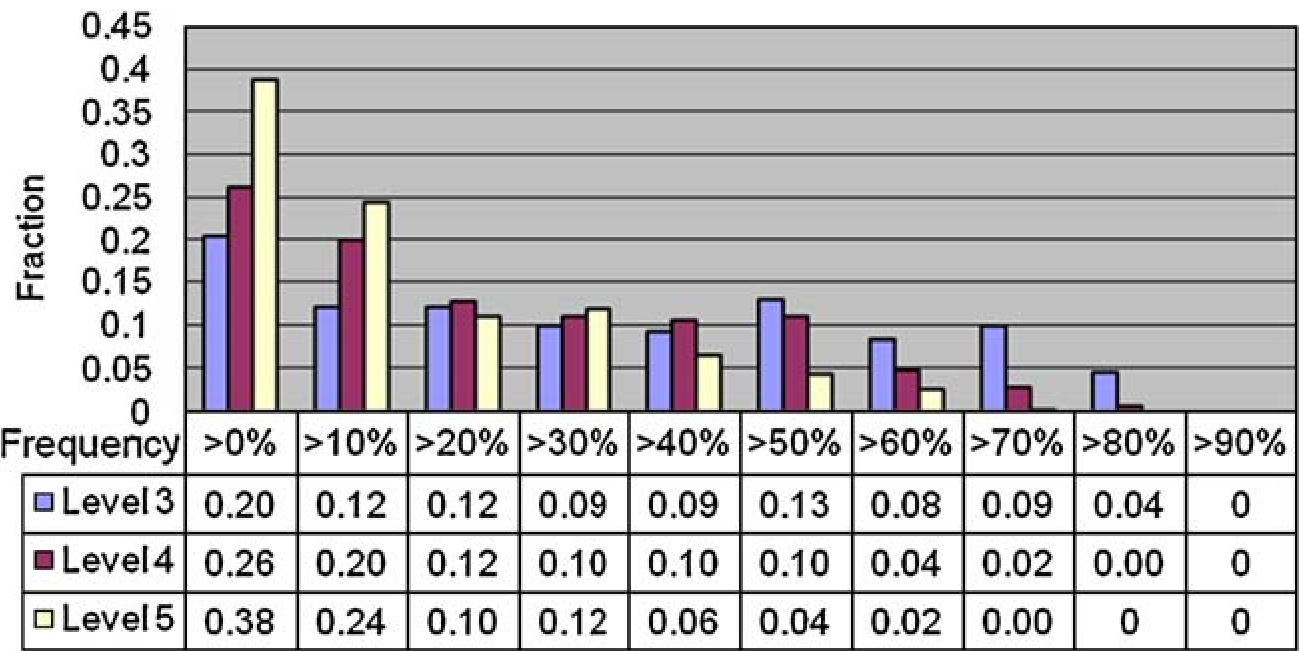
Since lower-level terms are naturally less frequent, MAGO uses a mathematical heuristic to adjust the minsup (minimum support) threshold dynamically across levels:
This ensures that the algorithm doesn't ignore specific biological functions just because they are specialized.
3. Level-Crossing Rules
Unlike previous multilevel miners that only compared items at the same hierarchical depth, MAGO allows rules to bridge levels (e.g., a Level 2 process influencing a Level 5 sub-process). This captures the cross-talk between broad cellular states and specific enzymatic reactions.
Experiments & Results
The authors tested MAGO on 300 S. cerevisiae (yeast) profiles.
Performance and Rule Density
The study found that the Biological Process ontology yields significantly more rules than Cellular Component, even when fewer genes are involved. This suggests that gene functional interactions are far more dynamic and varied than their physical localization patterns.
CMAGO: The Power of Templates
To solve the "too many rules" problem, CMAGO (Constrained MAGO) allows biologists to provide templates like Metabolism => Transport.
- Result: Using templates reduced the result set from millions of rules to a few dozen highly relevant ones.
- Discovery: A notable rule found was
tryptophan biosynthesis (up) => ergosterol biosynthesis (up)with 75% confidence. Subsequent literature review confirmed that ergosterol is actually required for targeting tryptophan permease to the yeast plasma membrane—a validation of the algorithm's biological relevance.
Critical Analysis & Conclusion
Takeaway: MAGO effectively bridges the gap between raw "omics" data and biological knowledge. Its ability to handle the DAG structure of GO makes it superior to traditional tree-based multilevel mining.
Limitations:
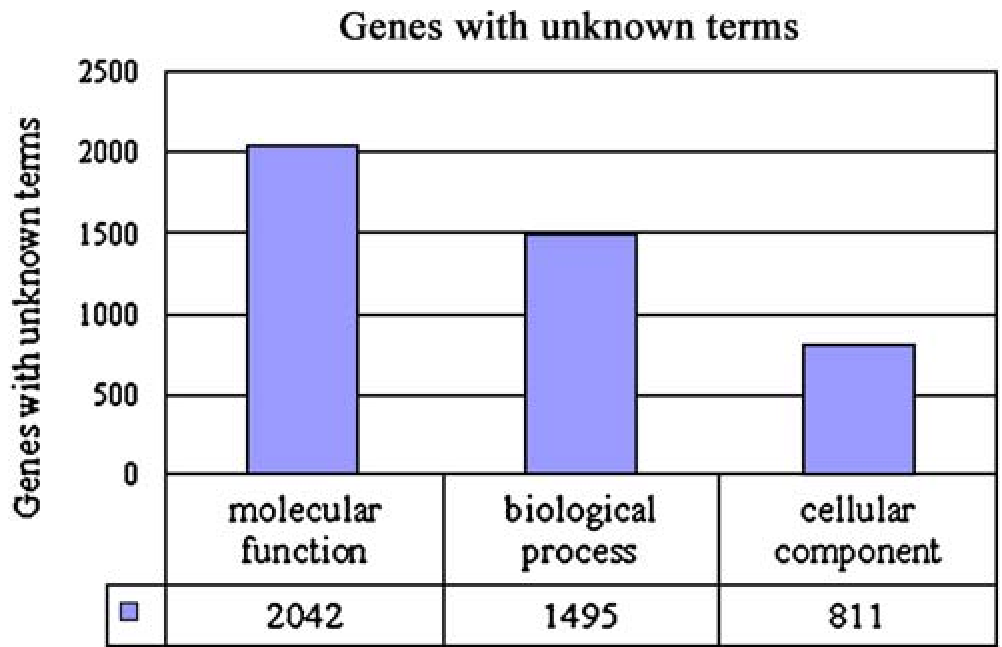
- Static Ontology: The method relies on the current state of Gene Ontology. If a gene is poorly annotated (e.g., "unknown" category), MAGO cannot extract its value.
- Computational Intensity: As the
minsupdrops, the candidate generation time grows exponentially, necessitating further optimization for massive modern datasets (like single-cell RNA-seq).
Future Outlook: The integration of Text Mining to automatically classify rules into "Proved," "Partial," and "Unknown" categories would further empower biologists to prioritize new lab experiments based on these computational insights.