
Sustainable Rurality: Transforming Indigenous Communities Through Solar Cooperatives
11660_Electrification in Non-Interconnected Areas Towards a New Vision of Rurality in Colombia.
This paper presents a methodology for sustainable rural electrification in Colombia's "Non-Interconnected Zones" (ZNI) through a solar-powered humanitarian engineering approach. Using the Calle Santa Rosa indigenous reservation as a case study, it introduces a community-led "Energy Cooperative" model that integrates photovoltaic systems with productive processes like refrigeration and ICT access.
TL;DR
Expanding the electricity grid to remote regions is often a financial impossibility. This paper details a successful transformation in the Calle Santa Rosa indigenous reserve in Colombia, where solar power was combined with a unique Energy Cooperative model. By linking clean energy directly to economic activities—specifically refrigeration and ICT—the project creates a self-sustaining ecosystem that generates both social welfare and the revenue needed for its own maintenance.
The "Non-Interconnected" Challenge
In Colombia, over 52% of the national territory consists of Non-Interconnected Zones (ZNI). These areas are characterized by:
- Geographic Isolation: Dense rainforests and mangroves make grid cables nearly impossible to lay.
- Low Payment Capacity: Traditional utility billing models fail because residents have limited cash flow.
- Cultural Sensitivity: Solutions must respect the cosmological beliefs of groups like the Eperara Siapidara, who hold specific lands as sacred.
The authors argue that simply "dropping off" solar panels isn't enough. Without a way to pay for repairs or a reason for the community to "own" the tech, these projects quickly become electronic waste.
Methodology: Engineering with a Social Heart
The project team from La Salle University adopted a "Humanitarian Engineering" approach. Instead of just delivering hardware, they focused on Technology Transfer and Social Appropriation.
Technical Architecture
The heartbeat of the project is a two-pronged solar deployment:
- Educational Hub: A 1.5 kW system powering 7 classrooms with LED lighting, computers, and audiovisual tools.
- Productive Hub: A refrigeration center equipped with six 160-liter DC refrigerators, designed to preserve fish and agricultural products.
- Household Support: Individual 3W solar lamps for every home to facilitate nighttime study and artisanal craft-making.
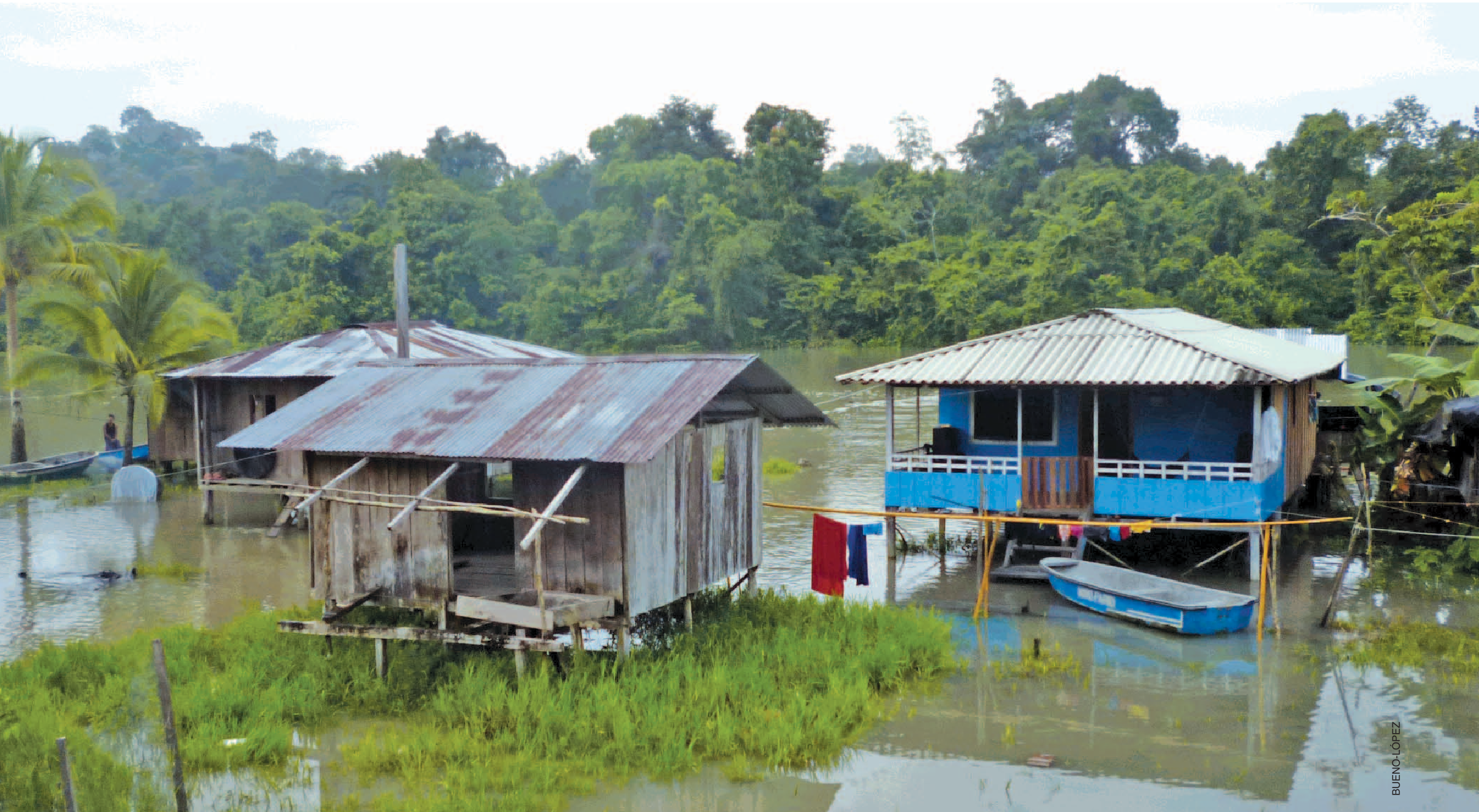 Figure: The vision of new rurality through clean technology integration.
The Cooperative Model: The "Secret Sauce"
This work's most vital contribution is the Energy Cooperative Model. The community charges a flat fee per kilogram of food stored in the refrigerators. This storage service generates roughly $330 USD per month.
- Maintenance Fund: A portion of this income is saved to replace batteries or panels (estimated 5-year cycle).
- Empowerment: This turns the village from "recipients of aid" into "operators of a business."
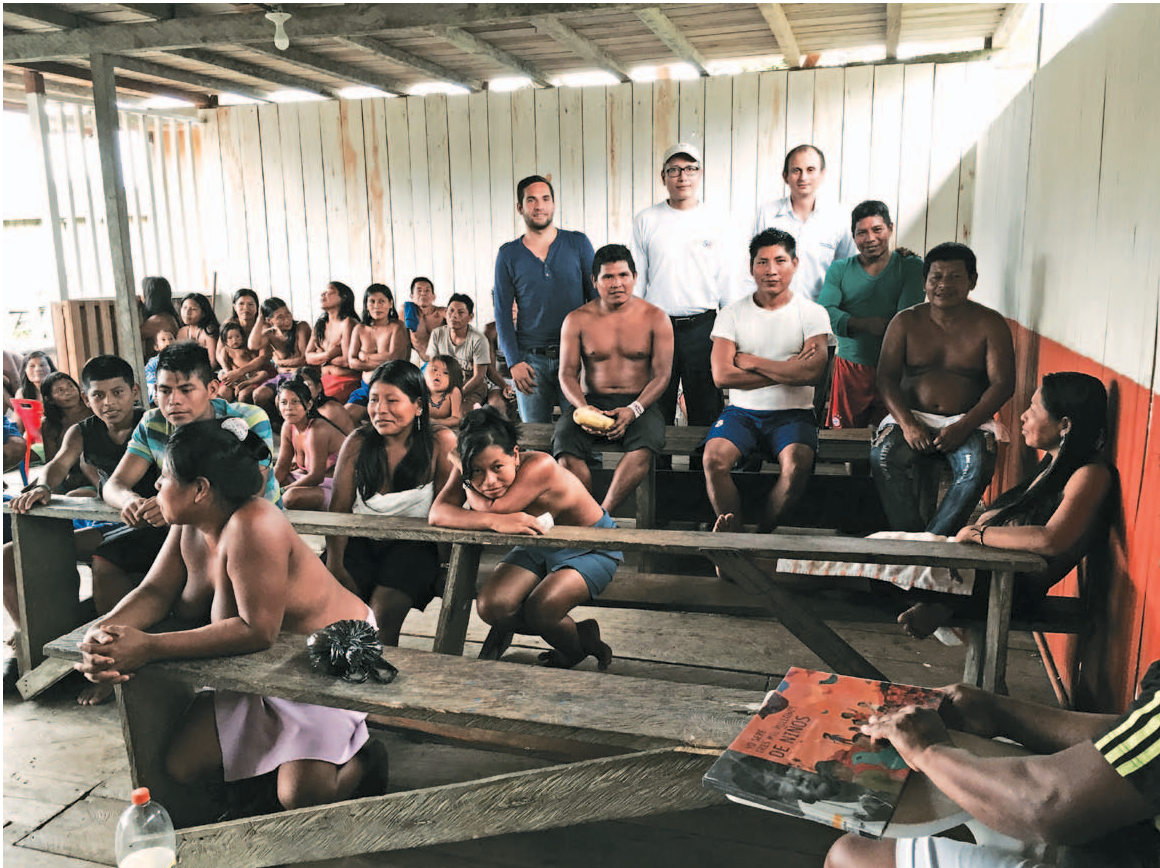 Figure: Collaborative meeting to establish financial and technical management rules.
Results & Socio-Economic Impact
The impact was measured not just in Volts, but in community growth:
- Economic Diversification: Previously, only three families had independent power; now, the entire reserve has commercial potential for chilled products.
- Educational Advancement: Access to ICT and nighttime lighting has markedly increased the competitiveness of local youth.
- Environmental Harmony: By choosing solar over biomass or hydro, the project minimized the impact on sacred rivers and forests.
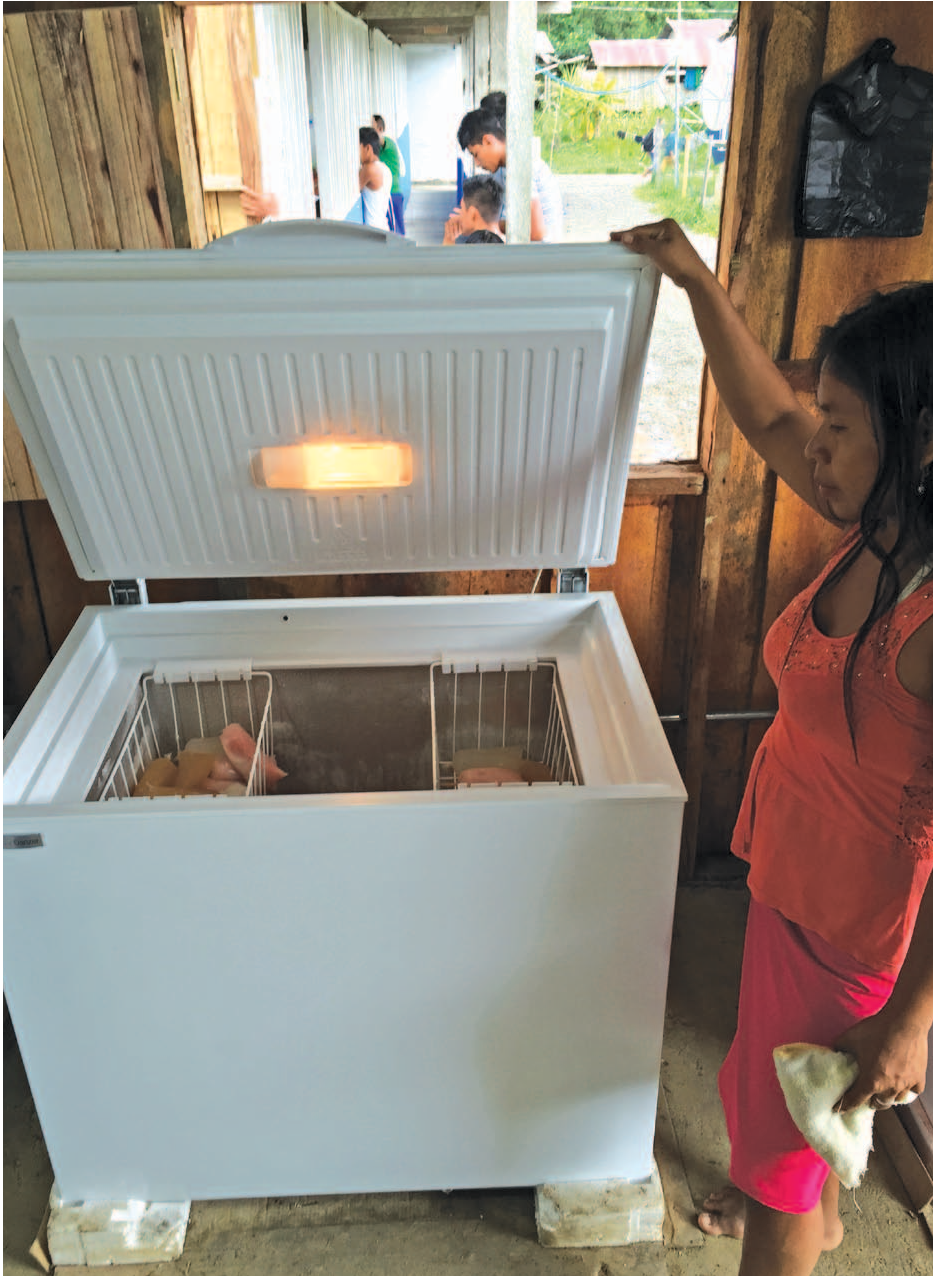 Figure: A community member operating the DC-powered refrigeration systems.
Critical Insight: Why This Works
The success of the Calle Santa Rosa project stems from solving the "Sustainability Paradox" of rural aid. Most projects fail when the original engineers leave. By training 15 specialists and over 50 community members in financial and technical oversight before the project concluded, the researchers ensured that the technology became a permanent part of the social fabric.
Conclusion & Future Outlook
This model proves that decentralized, democratized energy access is a viable path for the 1400+ isolated locations in Colombia. The takeaway for the global engineering community is clear: Technical excellence is a prerequisite, but social integration is the driver of permanence. Future work should look at scaling this "Cooperative" model across different geographic terrains using wind or hybrid systems.
Final Note: This project highlights a historic moment for Colombia, where basic service access (water and power) is a fundamental pillar for peace and rural stability.