
Beyond Native Proficiency: Redefining Global Communicative Competence in the BELF Era
This is an electronic reprint of the original article. This reprint may differ from the original in pagination and typographic detail.
The paper introduces the concept of Global Communicative Competence (GCC) and the framework of English as a Business Lingua Franca (BELF). Based on a survey of nearly 1,000 professionals, it demonstrates that successful global interaction relies on the synergy of multicultural competence, business know-how, and BELF efficiency rather than native-like linguistic perfection.
TL;DR
In the hyper-globalized business landscape, the "native speaker" is no longer the gold standard. This seminal study by Louhiala-Salminen and Kankaanranta introduces BELF (English as a Business Lingua Franca) and the Global Communicative Competence (GCC) model. It argues that successful communication is a tripartite construction of business know-how, multicultural sensitivity, and strategic English usage, where clarity and rapport consistently trump grammatical perfection.
The "Native Speaker" Fallacy
For decades, language training was built on the assumption that learners should strive to emulate British or American native speakers. However, in modern boardrooms and virtual meetings, English has become a "shared resource"—a neutral tool used by a Finnish engineer to speak with a Chinese supplier. The authors argue that because this "Lingua Franca" isn't owned by any specific culture, the old rules of linguistic competence are obsolete.
The pain point is clear: many professionals feel inadequate due to imperfect grammar, yet the study proves that grammatical correctness is actually the least important factor in achieving business outcomes.
Methodology: Mapping Perceptions
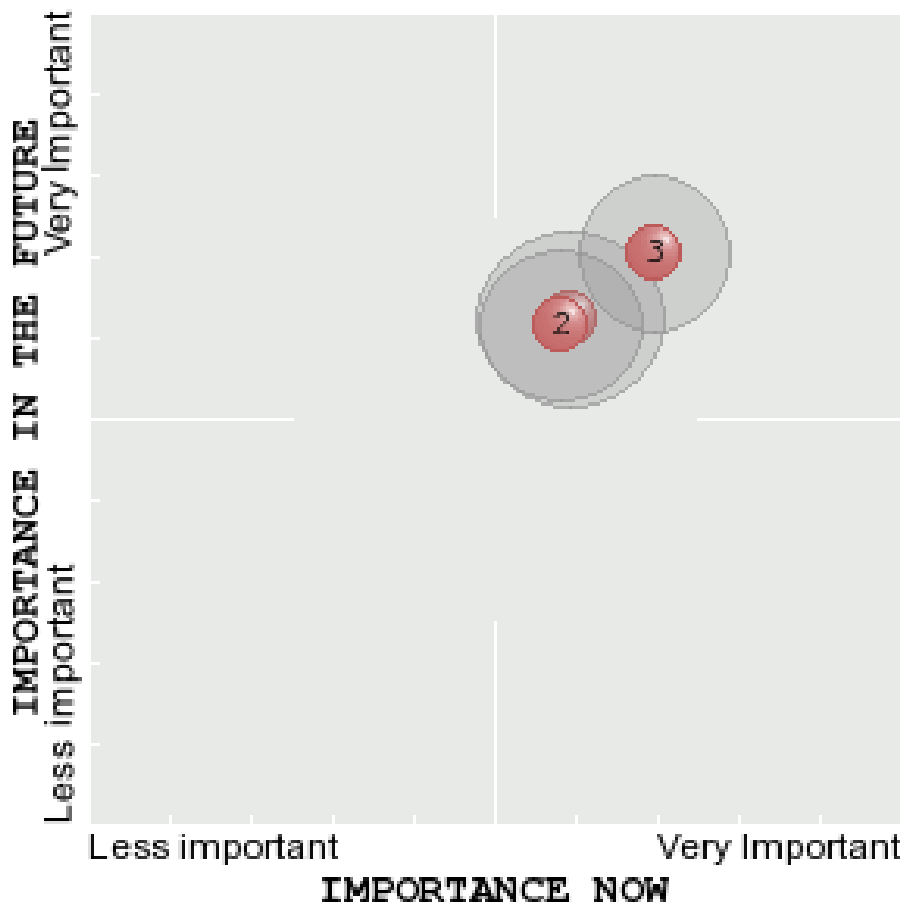
The researchers surveyed 987 professionals across five global firms (Logistics, IT, Welding, etc.). Instead of traditional Likert scales, they used visual coordinate graphs to map how participants perceived the importance of various skills versus their own competence levels.
The GCC Model
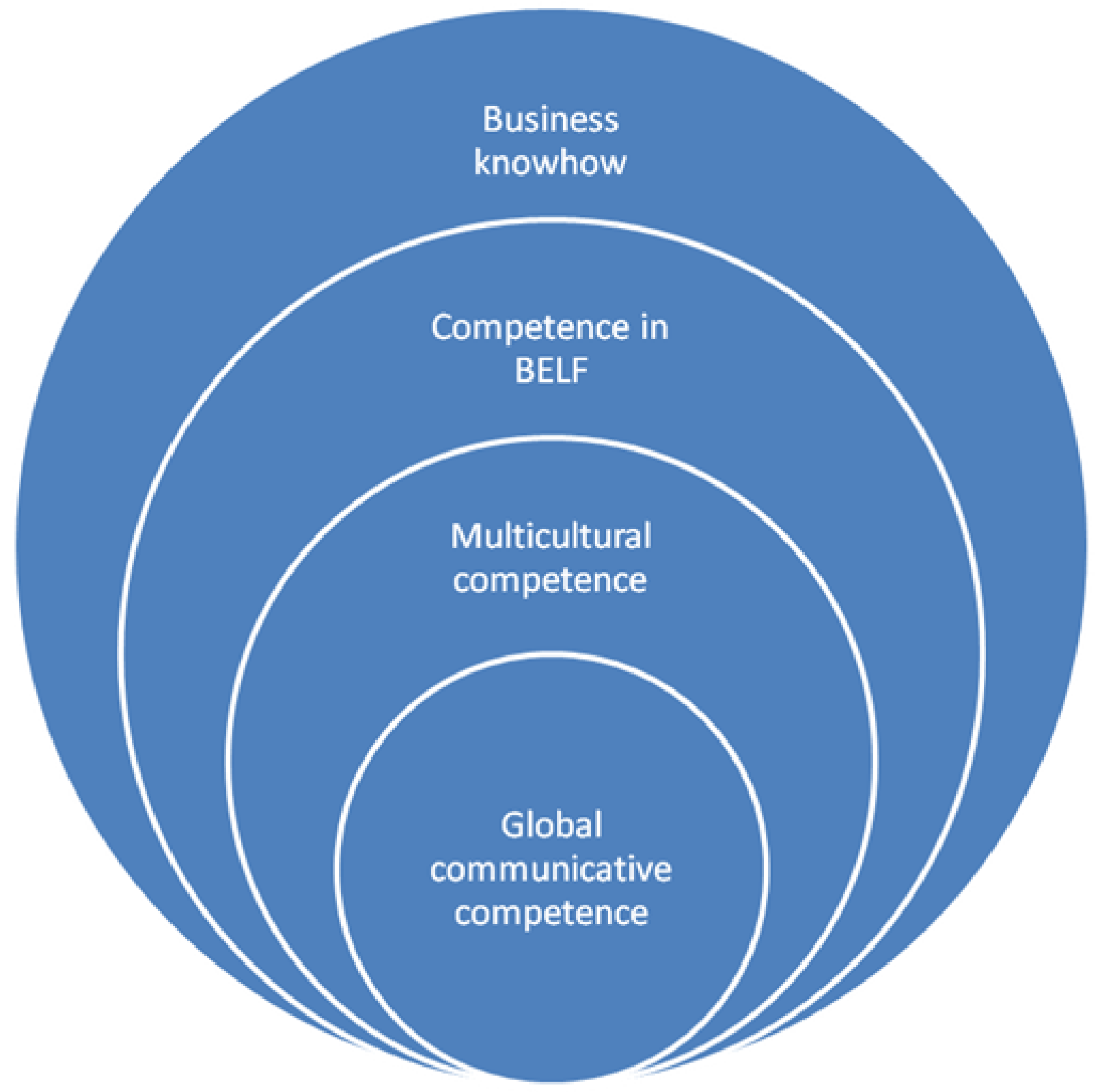
The authors propose a layered model of competence that places the professional at the center of three circles:
- Business Know-how: The fundamental understanding of industry-specific logic and goals.
- BELF Competence: A "core" version of English focused on efficiency, utilizing specialized terminology and strategic clarification.
- Multicultural Competence: The ability to navigate different "ways of doing things" across national and corporate boundaries.
Key Findings: Why "Adequate" is Better than "Perfect"
The data reveals a pragmatic shift in what constitutes "effective" communication:
- Clarity over Form: When asked what makes communication succeed, "Clarity" (visualizing information effectively and being explicit) was the top-ranked factor.
- The Strategic Core: Successful communicators excel in "Strategic Competence"—the ability to check, double-check, and re-confirm. Over-communication (or "hypercommunication") is viewed as a survival skill in multilingual environments.
- Language Distribution: Participants reported using English with non-native speakers significantly more than with native speakers. In this context, "native accents" can actually become a barrier rather than a benefit.
Critical Insight: The Shift in Power Dynamics
One of the most profound takeaways from this research is the potential erosion of the "Native Speaker Advantage." In a BELF context, native speakers who cannot simplify their idioms or who lack multicultural flexibility may find themselves less competent than a non-native speaker who is highly skilled in rapport-building and strategic clarification. Emotional solidarity among non-native speakers creates an "invisible community" where mutual understanding is the priority, not linguistic purity.
Conclusion & Future Outlook
The GCC model moves us away from the "technical" view of communication toward a "holistic" one.
Takeaways for the Industry:
- Training: Corporate training should focus on "BELF" (strategic interaction) rather than general ESL.
- Recruitment: Global competence should be assessed by one's ability to achieve "the job done" across cultures, not by their TOEFL score.
- Technology: As we move toward 2026 and beyond, the enablers of global communication (AI, virtual reality) will further emphasize the need for the "human" layers of GCC: empathy, business logic, and cultural flexibility.
The limitation of the study remains its Western European bias, but its core message is universal: In the global arena, communication is business, and business is a shared language of intent, not just syntax.