
Engineering Social Mediators: Designing Robotic Toys for Children with Autism
Eliciting Requirements foraRobotic ToyforChildren with Autism Results fromUserPanels1
This paper presents the requirements elicitation for the IROMEC project, which develops a robotic toy designed as a social mediator for children with autism. Through expert panels consisting of teachers, therapists, and parents, the study identifies critical play characteristics and design specifications to facilitate solitary and cooperative play.
TL;DR
The IROMEC project aims to bridge the social gap for children with autism by transforming robotic toys into "social mediators." By interviewing an expert panel of therapists and parents, researchers identified that successful robotic intervention requires modular design, predictable yet evolving behavior, and a move away from hyper-realistic humanoid forms to prevent sensory overload.
Background: The Role of Play in Development
Play is not just leisure; it is a fundamental driver of cognitive and social development. For children with autism, however, the "triad of impairments" (social interaction, communication, and imagination) turns play into a challenge. The IROMEC project seeks to move children from solitary, repetitive play—often focused on "obsessive" activities like watching running water—toward cooperative play with peers and caregivers, using a robot as the mechanical bridge.
Motivation: Why Current Robots Often Fail
The central tension in designing for autism is the heterogeneity of the spectrum.
- Sensory Processing: One child may be fascinated by lights and sounds (hypo-sensitive), while another finds the same stimulus excruciating (hyper-sensitive).
- Humanoid Paradox: While some researchers advocate for humanoid robots to teach social skills, others argue these are too complex. The IROMEC team suggests that a "pretty doll" look can be threatening; children often react better to simple, predictable, "machine-like" entities.
Methodology: The Informant Design Framework
Because children with autism often cannot communicate their design preferences directly, the researchers utilized Informant Design. They tapped into the "tacit knowledge" of experts (teachers, therapists, and parents) through storytelling and brainstorming.
Key Design Requirements Elicited:
- Built-in Familiarity: The robot should look and act in a way the child expects before gradually introducing new behaviors.
- Choice and Control: The child must be able to influence the robot (e.g., via simple buttons), fostering a sense of agency.
- Modularity of Senses: Adjustable "trigger actions"—specific sounds, lights, or movements—that cater to the individual child’s "obsessive" interests to hook their attention.
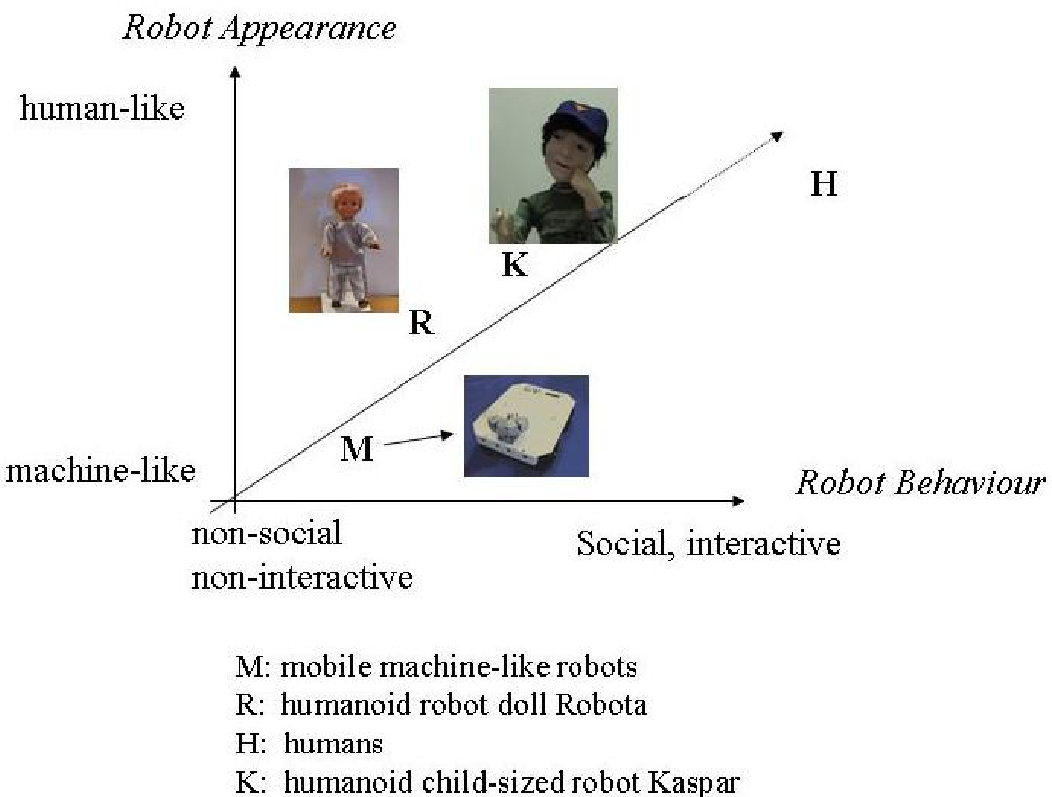 Fig 1: The vision for a learning trajectory, moving from simple robotic interactions to more complex, human-like behaviors.
Insights from the Field: Diverse Play Contexts
The research highlighted that autism manifests differently across educational settings:
- Mainstream Integration: Children often require high levels of instruction to move past solitary "obsessive" play.
- Specialized Schools: Play is used as a "decompression" period to help children focus on later structured tasks.
- The Power of Imitation: Many children respond positively to being imitated by the robot, which serves as a gateway to turn-taking and basic social reciprocity.
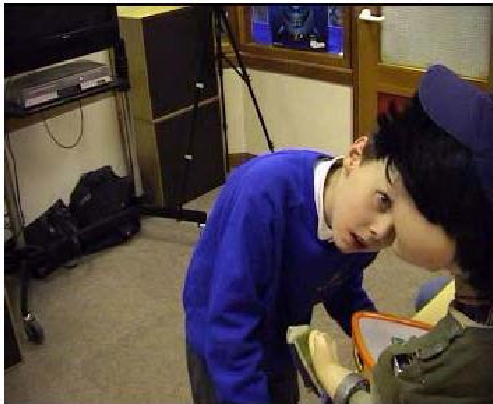 Fig 2: Experimental investigations testing various interaction styles identified by the expert panels.
Critical Analysis & Conclusion
The merit of this work lies in its recognition that the robot is a mediator, not a replacement for human interaction. By providing a "safe" and predictable interaction partner, the robot allows a child to practice social skills that can eventually generalize to interactions with people.
Future Challenges:
- Interface for Carers: A robot that is highly modular is only useful if a non-technical teacher or parent can easily reprogram its behavior.
- Non-linear Progress: As noted in Figure 1, a child's progress is rarely a straight line. The robot must be able to "regress" alongside the child during difficult periods.
In conclusion, the future of assistive robotics for autism lies in dynamic adaptability. A robot that can transform from a simple mechanical box into a complex social companion—at the pace of the child—holds the greatest potential for therapeutic success.