
The Visual Grammar: How Emojis Became the New "Langue" of Social Media
The language of emoji in social media
This paper explores the linguistic status of emojis in social media, specifically WhatsApp, framing them as a structured visual language. Applying Saussure’s and Barthes' concepts of "Langue and Parole," the researchers demonstrate how emojis function as a modern grammar encompassing syntax, semantics, and pragmatics.
TL;DR
Is an emoji just a picture, or is it a word? This research argues it is the latter. By applying the semiotic theories of Ferdinand de Saussure and Roland Barthes to WhatsApp conversations, the authors show that emojis have developed their own syntax, semantics, and pragmatics. They are no longer just "add-ons" but are essential grammatical markers that function as punctuation, emotional anchors, and social signifiers.
Problem & Motivation: The Digital Communication Gap
In face-to-face interaction, we rely on tone of voice, posture, and facial expressions to convey meaning. Pure text-based communication—like SMS or WhatsApp—is "lean," often losing these vital nuances. Historically, linguists viewed emojis as secondary cues. However, as 62% of internet users in Indonesia (the study's focus) frequent social media, a new phenomenon has emerged: the visual language of emoji is replacing verbal language to represent complex thoughts and feelings.
Methodology: Emojis Through the Lens of Semiotics
The authors use the Langue (System) and Parole (Individual Act) framework:
- Langue: The established social institution of emojis (e.g., the standard categories of Smileys, Food, Activity provided by the software).
- Parole: The specific, individual choice of an emoji to express a subjective "psychiatric state" or mood.
The study utilized questionnaires and real-world WhatsApp screenshots to analyze how these visual icons are actually deployed in "speech acts."
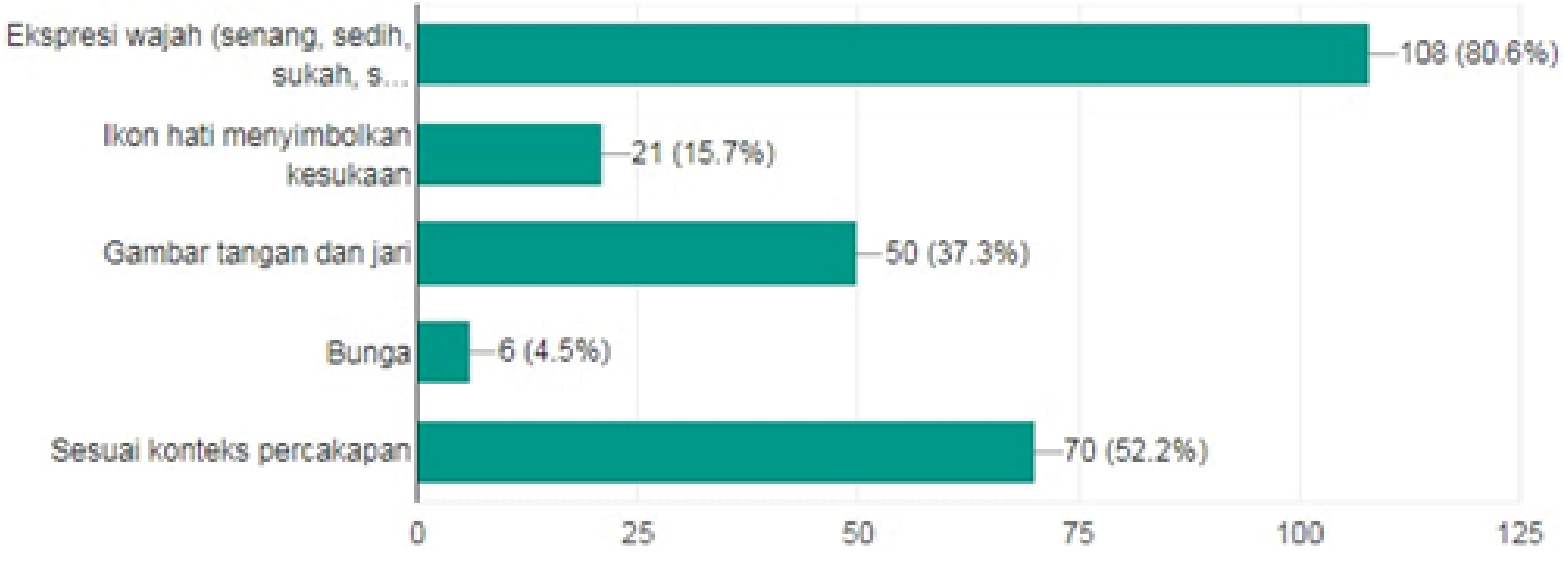 Figure 1: The dominance of facial expression emojis in individual 'Parole'.
The Core Analysis: Syntax, Semantics, and Pragmatics
1. Syntax: The New Punctuation
The research reveals a significant structural pattern: 76.9% of users place emojis at the end of a sentence. In this context, the emoji is not just an illustration; it serves as a period, exclamation point, or question mark that provides "closure" to the thought.
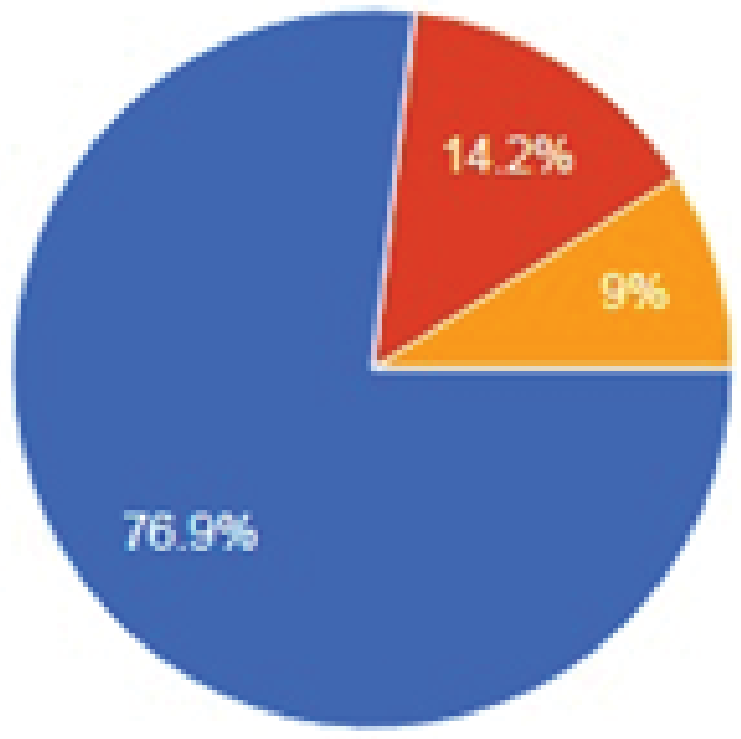 Figure 2: Statistical evidence of emojis serving as structural sentence closers.
2. Semantics: Meaning Beyond the Image
Emojis possess both denotative (literal) and connotative (associative) meanings. A "Grinning Face" literally means a smile, but connotatively implies joy, irony, or social politeness depending on the conversation's context.
3. Pragmatics: Navigating Social Hierarchies
Pragmatically, emojis manage the "Interpersonal Function" of language. They define relationships—whether between a teacher and student or colleagues in a "French Association" group chat. They allow users to participate in communicative acts that verbal text alone might make appear too cold or formal.
 Figure 3: Emojis used in a group context to strengthen social connections and express collective sentiments.
Critical Insight & Conclusion
The study concludes that emojis have achieved the status of a socially conceived grammar. They are not an "alternative" to language but an expansion of it.
Takeaways for the Future:
- Linguistic Evolution: Emojis represent the shift toward "visual literacy" where images and text are inseparable.
- Limitation: The study focuses heavily on WhatsApp in the Indonesian context; however, the universal nature of the emoji "Langue" suggests these findings are likely mirrored globally.
- Future Scope: As digital interaction becomes more sophisticated (moving toward VR/Metaverse), the study of how visual icons replace or augment "Parole" will be critical for understanding human social evolution.