
EMOTHAW: Decoding Mental Health through the Silent Language of Handwriting
EMOTHAW: A novel database for emotional state recognition from handwriting
This paper introduces EMOTHAW, the first publicly available handwriting database specifically designed for emotional state recognition. Using a digitizing tablet to capture on-line handwriting and drawing tasks from 129 participants, the study employs Random Forest classifiers to detect anxiety, depression, and stress based on timing and ductus features.
TL;DR
Researchers have developed EMOTHAW, a novel database that bridges the gap between graphology and clinical psychology. By recording the fine-grained physical dynamics of pen movement—including the invisible "in-air" path—they can identify Depression with 71% accuracy and Anxiety/Stress with 60% accuracy using simple drawing and writing tasks.
Context: Why Handwriting?
While speech and facial expressions are well-studied in affective computing, they are prone to significant noise and cultural variability. Handwriting, however, is a complex motor task governed by the central nervous system. When we experience negative emotions like stress or depression, our fine motor control changes. The "fluidity" of our strokes, the pressure we apply, and the hesitant pauses we make in the air provide a window into our internal emotional state.
The EMOTHAW Protocol: Capturing the Invisible
The study recruited 129 students to perform seven standardized tasks on a Wacom digitizing tablet. These tasks ranged from drawing clocks and houses to writing complex cursive sentences.
The technical "secret sauce" of this study is the focus on On-line data. Unlike a scanned image of a letter (off-line), on-line data captures:
- Pen Status: Whether the pen is touching the paper or hovering.
- In-air Trajectories: The path the pen takes between letters (where cognitive load often manifests as hesitation).
- Pressure & Lean: The azimuth and altitude angles of the stylus.
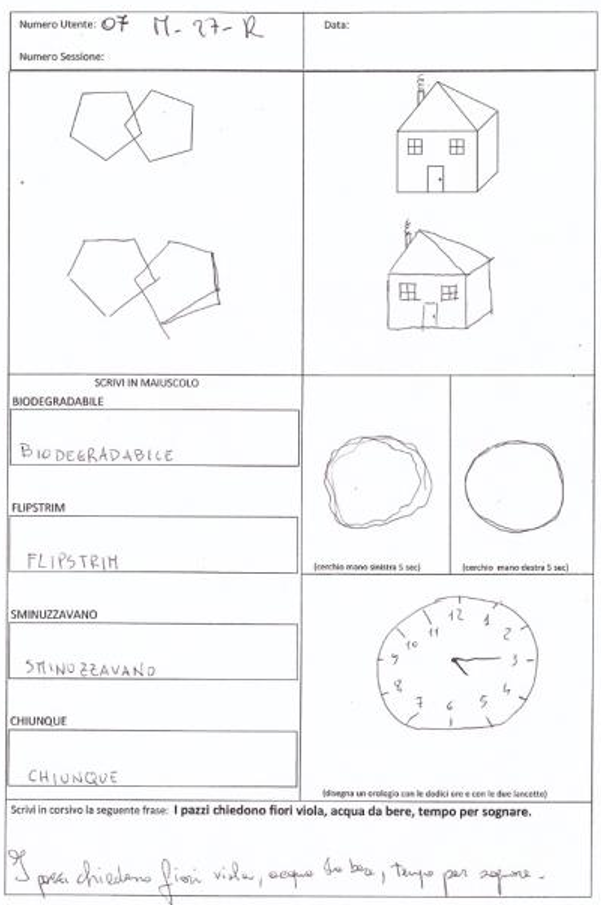 Fig 1: The acquisition setup where users write on real paper while the digital sensors capture 3D spatial dynamics.
Methodology: The Random Forest Insight
The researchers extracted 20 features across five tasks, focusing on timing (in-air vs. on-paper) and ductus (number of strokes). They utilized Random Forests—not just for classification, but for its Feature Ranking capability.
The physical intuition here is powerful:
- Depression reflected significantly in "static" drawing tasks (Clock, Pentagons), suggesting a lack of motivation or motor slowing in structured planning.
- Anxiety/Stress distributed across all tasks, likely due to the pervasive nature of muscle tension and cognitive interference during both creative drawing and repetitive writing.
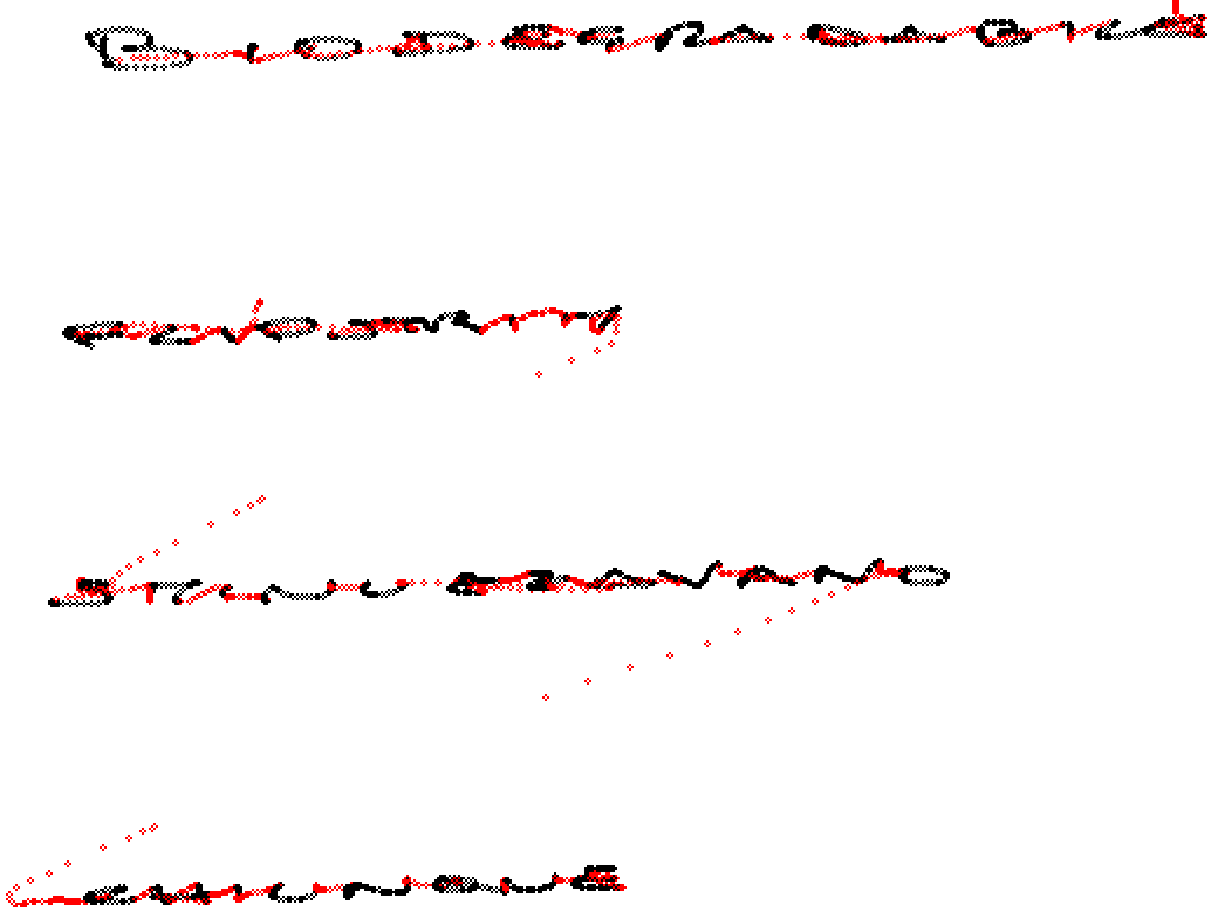 Fig 2: Visualization of a task showing "in-air" points in red. These invisible movements are often more telling than the actual ink.
Experiments and Critical Results
The classification performance shows a clear hierarchy in the predictability of emotional states:
| Emotional State | Accuracy |
|---|---|
| Depression | 71.2% |
| Stress | 60.2% |
| Anxiety | 60.0% |
The higher accuracy for depression suggests that the motor biomarkers for depressive "slowing" and "hesitation" are more distinct than those for anxiety and stress, which often overlap in their physiological symptoms.
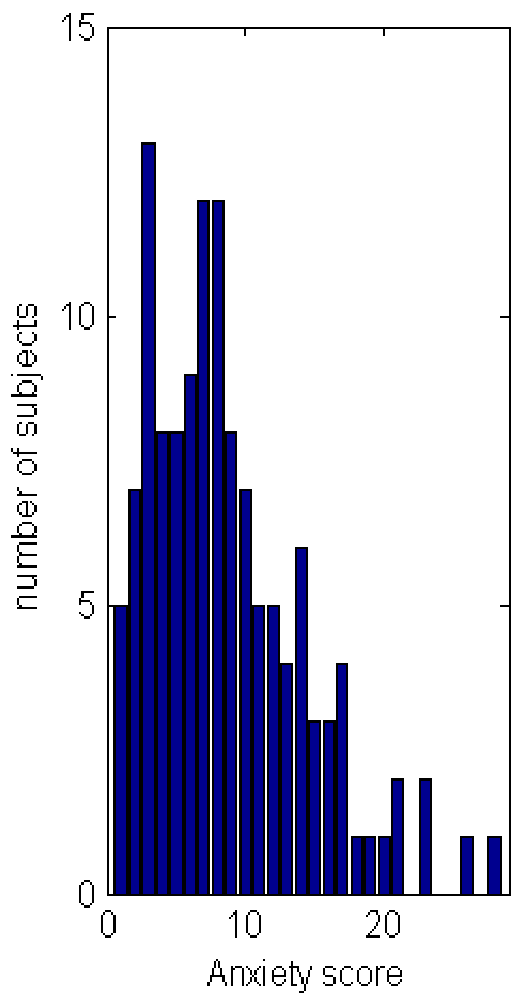 Fig 3: Distribution of DASS scores across the cohort, indicating a diverse range of emotional states.
Critical Analysis & The Road Ahead
Strengths: This is a pioneering work that moves "graphology" into the realm of data science. The release of the EMOTHAW database is a significant contribution to the open science community.
Limitations: The study was limited to a specific demographic (Master/BS students). Emotional expression via motor control may vary wildly with age (children vs. elderly). Furthermore, the current feature set is relatively simple (timing and stroke counts).
The Future: Imagine a standard tablet or smartphone stylus that acts as a silent therapist, detecting early signs of burnout or depression just by how you take notes in a meeting. This work lays the foundation for "Kinematic Psychology"—using the math of movement to heal the mind.
Takeaway
The next time you hesitate with your pen above the paper, you aren't just thinking—you're leaving a digital footprint of your emotional state.