
Beyond the Score: Hacking the Flow State via Physiological Feedback
Emotion Assessment From Physiological Signals for Adaptation of Game Difficulty
This paper introduces a framework for Emotion Assessment from physiological signals to enable Dynamic Difficulty Adjustment in video games. Using Tetris as a testbed, the researchers utilized EEG and peripheral signals (GSR, HR, Respiration) to classify three emotional states—boredom, engagement, and anxiety—achieving a fused classification accuracy of 63%.
TL;DR
Researchers from the University of Geneva have developed a system that reads your mind—and your pulse—to ensure you never get bored or frustrated while gaming. By fusing EEG (Brainwaves) and Peripheral Signals (Heart Rate, Skin Conductance), they can classify whether a player is in a state of Boredom, Engagement, or Anxiety with 63% accuracy, allowing games like Tetris to adjust difficulty dynamically based on emotion rather than just skill.
The "Flow" Problem: Why Performance is a Lie
In game design, the "Flow Channel" is the sweet spot where a player's skills perfectly match the challenge.
- Too Easy? The player gets bored (Low Arousal).
- Too Hard? The player gets anxious (High Arousal, Low Pleasure).
Standard games look at your score to change difficulty. But a high score doesn't mean you're having fun; you might be bored to tears or hyper-stressed. This paper argues that Physiological Signals are the only objective way to measure the "True Self" of the gamer without interrupting the experience with intrusive questionnaires.
Methodology: The Multimodal Approach
The study utilized a sophisticated sensor array to capture a 360-degree view of the player's internal state.
1. The Central Nervous System (EEG)
The team monitored 19 EEG electrodes, focusing on the EEG_W feature—a ratio of Beta, Theta, and Alpha waves.
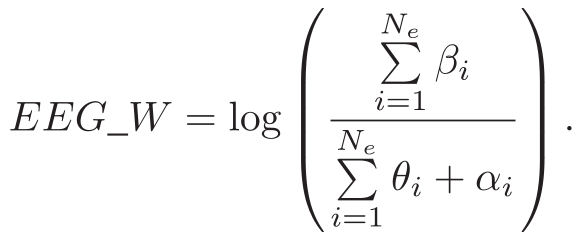
Insight: While alpha waves are traditionally linked to relaxation, the researchers found that Beta/Theta ratios provided a precise metric for the "Cognitive Workload" required by high-speed Tetris.
2. The Peripheral Nervous System
Sensors measured Heart Rate (BVP), Skin Conductance (GSR), Respiration, and Temperature.
- Key Find: GSR (Galvanic Skin Response) peaks and decay times were the most reliable indicators of sudden emotional shifts when a Tetris block was misplaced.
3. Decision-Level Fusion
Instead of just throwing all data into one bucket, the authors used Bayes’ Belief Interaction. This allows the system to weigh the "opinion" of the EEG classifier against the Heart Rate classifier, compensating for the noise inherent in bio-sensors.
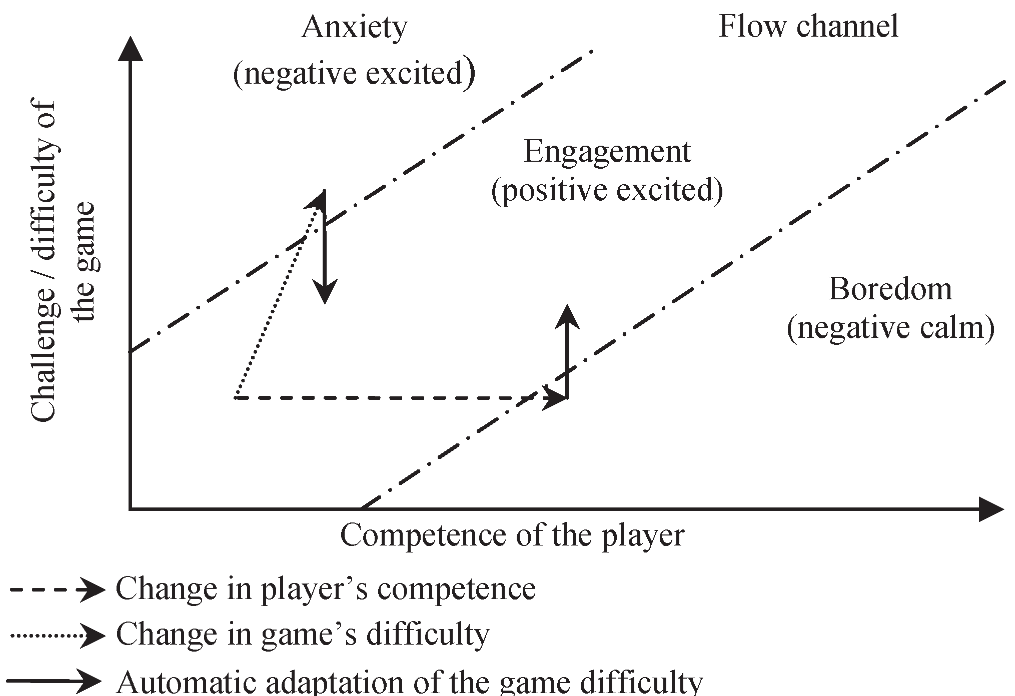 Figure 1: The mapping of Flow Theory onto the Boredom-Engagement-Anxiety cycle.
Experiments & Results: EEG vs. Peripheral
The researchers tested 20 participants and discovered a critical trade-off between Time and Accuracy:
- Long-term (300s windows): Peripheral signals were slightly better at identifying Boredom.
- Short-term (30s windows): EEG remained stable, whereas peripheral signal accuracy plummeted.
The Fusion Advantage: By combining both, the system achieved a 63% cross-participant accuracy. While 63% might seem modest in the era of LLMs, achieving this in a player-independent framework (where the machine hasn't seen your specific brain patterns before) is a significant leap for generalizable Affective Computing.
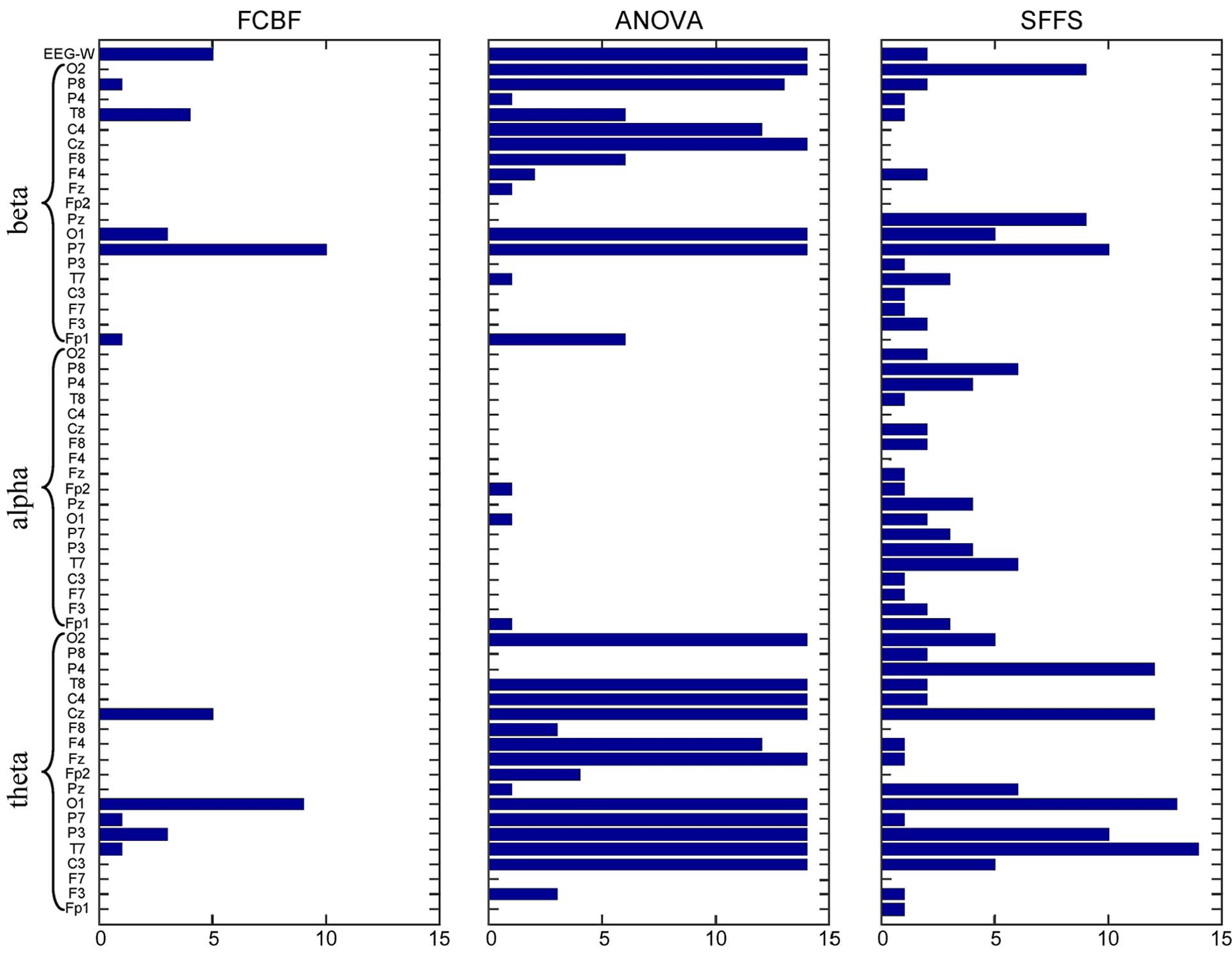 Figure 2: Performance of EEG vs. Peripheral signals across different window lengths. Note the robustness of EEG at shorter intervals.
Critical Insight: The Future of Adaptive UX
This research highlights a major industry shift: Moving from reactive to proactive adaptation.
The most striking takeaway is the Boredom Trap: the data showed that even at the "correct" difficulty, playing the same level twice leads to boredom. This implies that engagement isn't a static target; it's a moving one that requires constant, slight escalations in challenge to maintain.
Limitations
- Physical Constraints: Wearing 19 EEG electrodes isn't exactly "casual gaming" ready.
- Context Ambiguity: Sometimes anxiety looks like boredom in the signals (if a player gives up). Contextual data (like game score) must be added to refine these edge cases.
Final Takeaway
If we want truly immersive "Metaverse" experiences or educational tools that adapt to a student's frustration, we cannot rely on buttons and clicks. The future is a multi-modal bridge between the software and our autonomic nervous system.