
The Heart in the Machine: Bi-Modal Affective Agents for Next-Gen E-Learning
Emotion Based User Interaction in Multimedia Educational Applications
The paper presents a bi-modal affective educational system that recognizes student emotions via keyboard and microphone input and responds through programmable animated agents. It integrates Simple Additive Weighting (SAW) for emotion recognition and the OCC cognitive model for emotion generation, achieving a closed-loop emotional interaction in e-learning environments.
TL;DR
This paper introduces an affective e-learning architecture that bridges the "emotional gap" in online education. By sensing user metadata from keyboards and microphones and applying the OCC cognitive theory, the system allows virtual tutors to recognize student frustration or joy and respond with pedagogically appropriate emotional expressions.
Background Positioning
In the landscape of Intelligent Tutoring Systems (ITS), this work is a systemic integration piece. It moves beyond mere "emotion detection" by closing the loop—using the detected affect to drive a reasoning engine that controls animated agents. It sits at the intersection of HCI (Human-Computer Interaction) and Cognitive Psychology.
1. The Problem: The "Cold" Interface
The transition from classrooms to screens has stripped education of its emotional nuance. Students miss the subtle nod of an instructor or the sympathetic whisper of a tutor. The authors argue that intelligence in software isn't just about correct answers; it’s about affective sensitivity. Prior systems failed because they either ignored user feelings or lacked a systematic way to translate those feelings into a pedagogical strategy.
2. Methodology: Sensing and Responding
The system operates on a dual-engine logic: Sensing (SAW) and Acting (OCC).
A. Emotion Recognition via SAW
The system monitors two primary channels:
- Keyboard: Tracking speed, frequency of "delete" key usage, and unrelated keystrokes.
- Microphone: Analyzing volume, exclamations, and "strong language" keywords.
Each input is converted into a Boolean vector. The system then uses Simple Additive Weighting (SAW) to calculate a utility score for six emotions (Happiness, Sadness, Surprise, Anger, Disgust, and Neutral).
This formula ensures that if both modalities suggest the same emotion, the probability increases, providing a more "robust" hypothesis than single-modal systems.
B. Emotion Generation via OCC
Once the state is known, the system doesn't just mimic the student; it acts as a teacher. Using the OCC (Ortony, Clore, and Collins) model, the system maps events—like "consecutive mistakes" or "completing a difficult test"—to agent emotional responses.
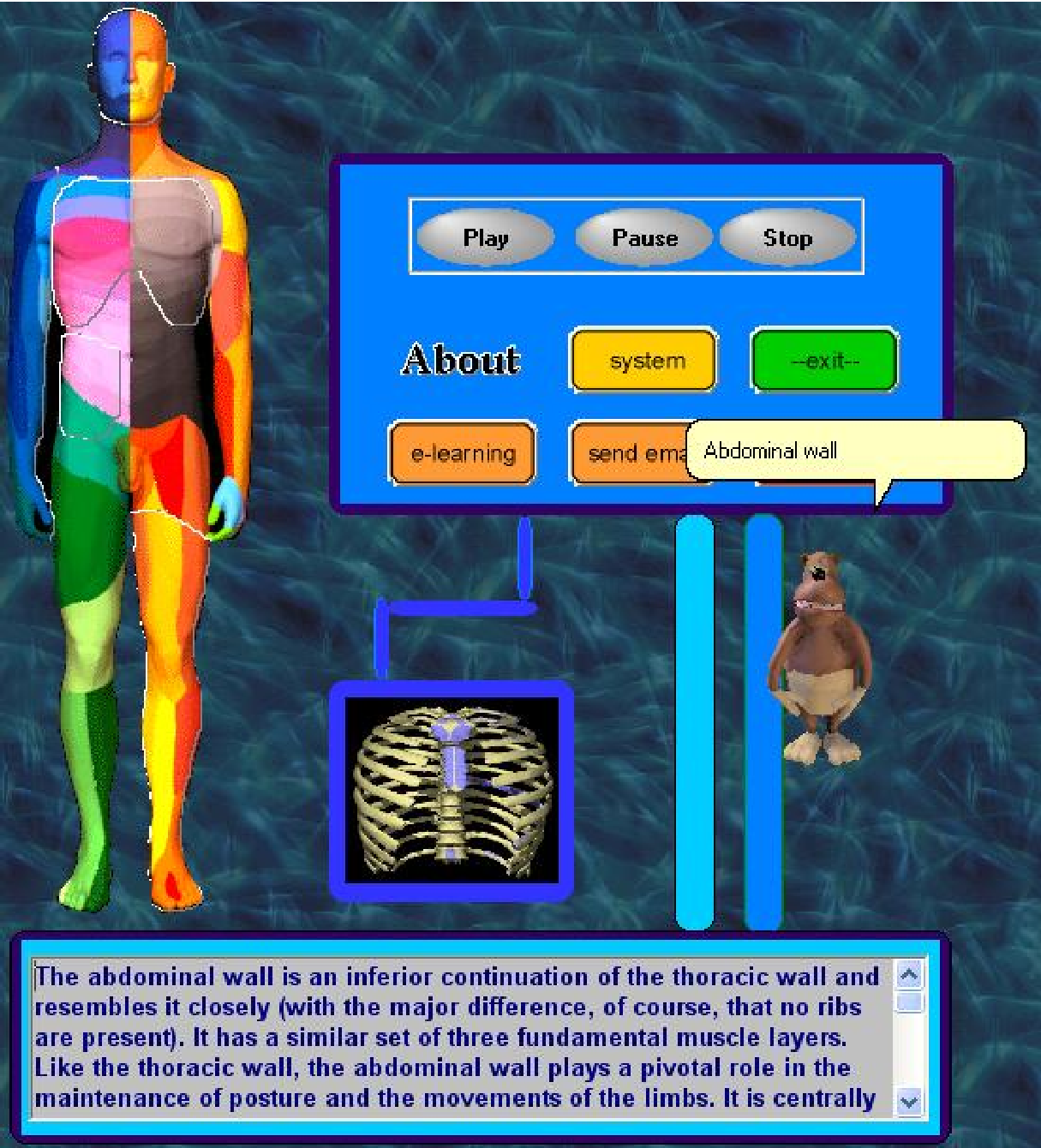 Figure 1: The bi-modal interaction flow where user actions feedback into the agent's behavior.
3. The Animated Agent: A Parameterized Tutor
The core innovation for instructors is the Authoring Module. Instead of complex coding, instructors can parameterize the agent’s 27 speech engines.
- Enthusiasm: High pitch, increased speed, and volume.
- Empathy (Whispering): Lower volume and specific facial gestures.
- Boredom: Triggered when the student is inactive, signaled by "yawning" animations.
 Figure 2: Examples of animated agents capable of varied emotional displays through body language and facial expressions.
4. Experimental Insights
The system’s strength lies in its context-aware appraisal. For instance, if a student answers a difficult question correctly, the OCC model identifies "Confirmed Hope" and "Joy," which the agent expresses as "Happiness" (smiling + congratulatory tone). Conversely, high-volume speech combined with rapid "delete" key use signals "Anger," prompting the agent to offer a "help tip" to reduce frustration.
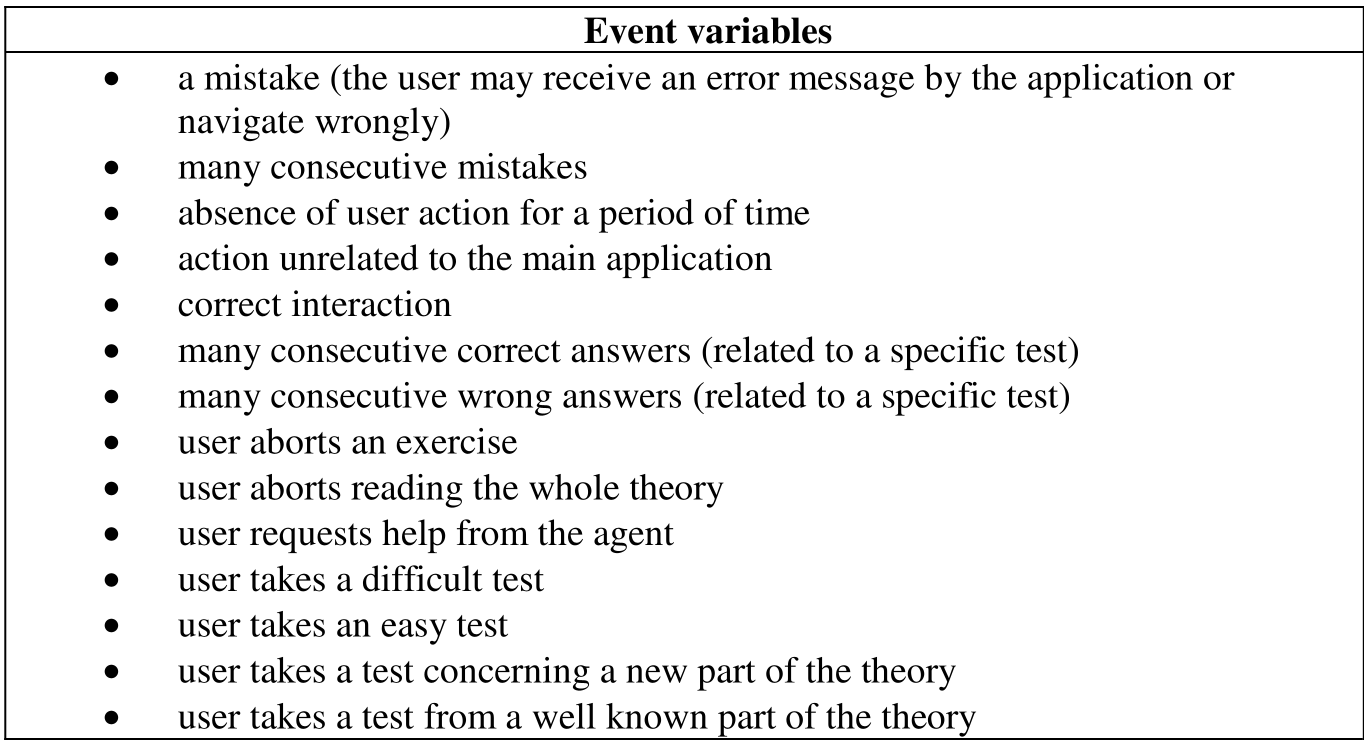 Table 1: Key event variables used by the OCC model to decide the agent's pedagogical tactic.
5. Critical Analysis & Conclusion
The Takeaway
The synergy of SAW for sensing and OCC for reasoning creates a blueprint for more "human" AI tutors. It transitions the agent from a static help-file into a dynamic, social entity.
Limitations
- Linguistic Dependency: The microphone sensing relies partly on a "specific list of words," which may not capture subtle sarcasm or dialect-heavy frustration.
- Privacy: Real-time microphone monitoring raises significant user privacy concerns in a home-learning environment.
Future Work
The authors propose adding a third modality: Visual (Face Tracking). This would allow the system to cross-reference "typing speed" with "furrowed brows," likely pushing the accuracy of the SAW model beyond current bi-modal limits. In an era of LLMs, the "reasoning" part of this OCC model could eventually be replaced by Generative AI, but the structured pedagogical rules established here remain a foundational framework.