
The EMFi Chair: Sensing Your Emotions Through Your Seat
Emotions and heart rate while siing on a chair
This paper introduces an unobtrusive heart rate monitoring system integrated into a standard office chair using ElectroMechanical Film (EMFi). By measuring ballistocardiographic (BCG) signals, the "EMFi chair" successfully differentiates between emotional responses to positive, neutral, and negative stimuli in a human-computer interaction (HCI) context.
TL;DR
Researchers have developed a way to measure your heart rate and emotional state using nothing but a standard-looking office chair. Using ElectroMechanical Film (EMFi), the chair captures tiny pressure changes from your heartbeat. The study proves this "stealth" sensor is just as accurate as medical-grade finger clips and can actually distinguish whether a user is feeling positive or negative based on how their heart rate recovers after a stimulus.
Background: Why "Unobtrusive" Matters
In the world of Affective Computing, the goal is to create systems that recognize and adapt to human emotions. While we can measure stress and excitement through heart rate, nobody wants to work at a desk while tethered to an Electrocardiogram (ECG) with sticky pads and wires.
The core problem is obtrusiveness. If the sensor is distracting, it changes the very emotion you are trying to measure. This paper positions the office chair as the perfect "perceptual interface"—it's a site of constant contact that requires zero effort from the user.
The Technology: EMFi and Ballistocardiography
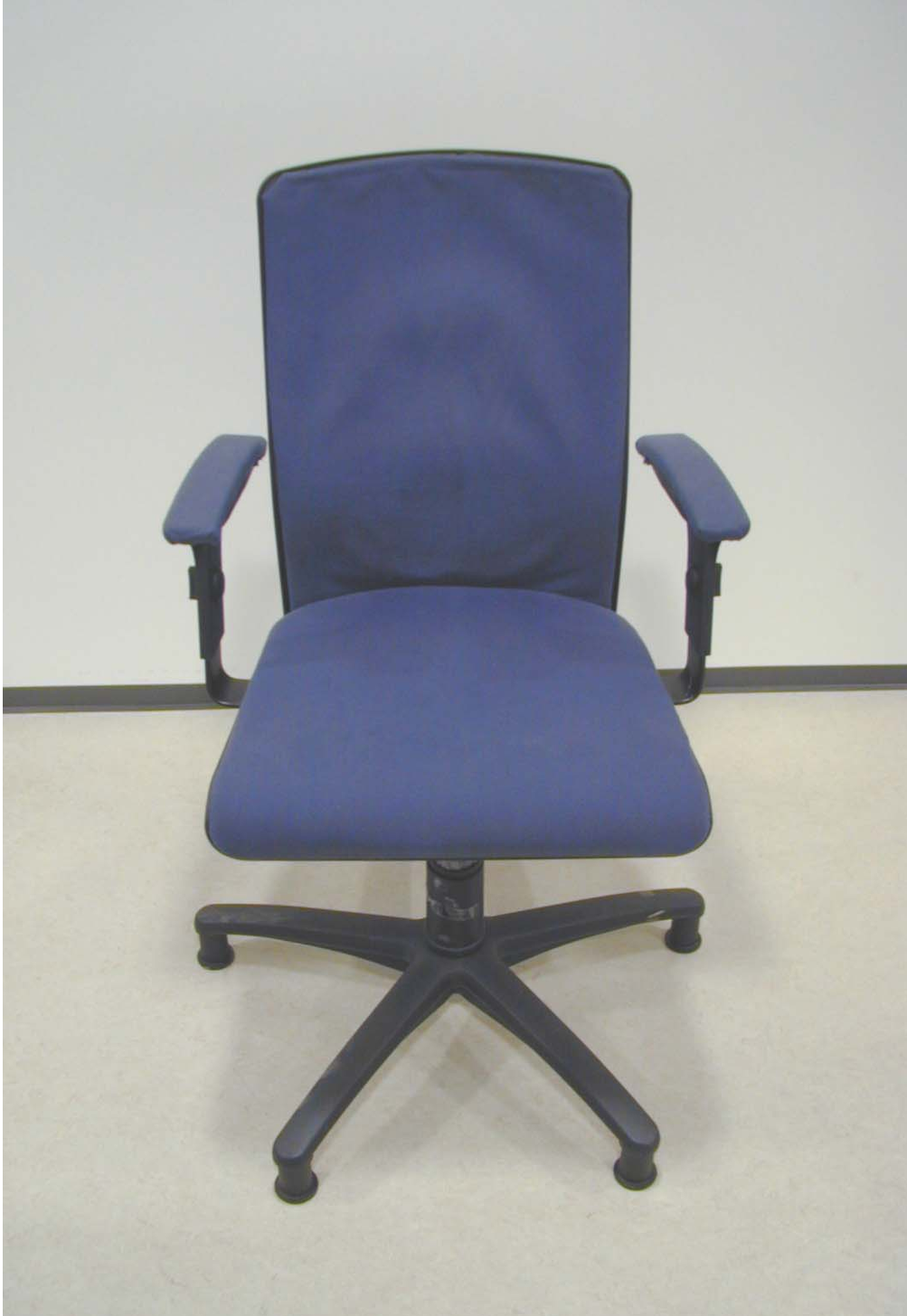
The "EMFi Chair" doesn't look like a medical device. It uses Electromechanical Film, a thin, low-cost polypropylene material that acts like a giant, sensitive microphone for pressure.
Instead of measuring electrical signals (ECG), it measures Ballistocardiography (BCG). This is the physical recoil of your entire body each time your heart pumps blood into the aorta. When you sit on the chair, these tiny vibrations are picked up by the sensors in the seat and backrest.
Methodology: Validating the "Magic" Chair
The researchers didn't just build a chair; they tested its ability to detect emotional shifts.
- Participants: 24 individuals.
- Stimuli: 45 different visual and auditory clips (e.g., a laughing baby for "positive", a mutilated hand for "negative").
- Gold Standard: They compared the chair's data to earlobe photoplethysmography (PPG).
Results: A 0.99 Correlation
The findings were striking. The correlation between the chair's data and the ear sensor was r = 0.99, meaning the chair is effectively a medical-grade monitor hidden in furniture.
More importantly, the heart rate data revealed an emotional fingerprint:
- Negative Stimuli: Evaluation showed a deep and prolonged heart rate deceleration.
- Positive Stimuli: Heart rate dropped initially but quickly "bounced back" toward the baseline.
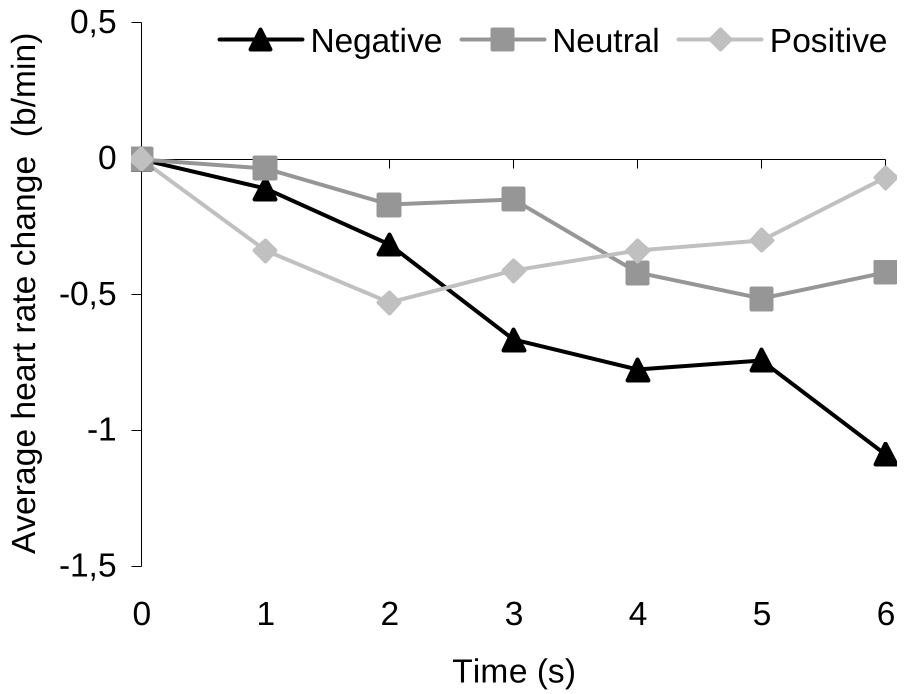
The researchers found that by the 6th second of a stimulus, the difference in heart rate between someone seeing something "happy" vs. something "sad" was statistically significant.
Critical Insight: Recovery Speed
The most profound takeaway is that positive emotions allow the body to recover faster. Negative emotions cause a "lingering" physiological change. In an HCI context, if a computer crashes or a user gets frustrated, that negative spike lasts. This chair could tell an "emotionally intelligent" software to pause, offer help, or change its tone to pull the user back to a positive state.
Limitations and Ethical Contemplation
While technically brilliant, the authors acknowledge a major hurdle: ethics. A chair that monitors your heart rate without wires could be used without your consent. They suggest simple solutions, like a visible logo/indicator, to ensure "unobtrusive" doesn't mean "secret."
Conclusion
The EMFi chair proves that we don't need wearable tech to understand the user's emotional state. By turning everyday furniture into a sensor array, we can build environments that respond to our stress and joy in real-time, potentially reducing the cognitive burden of negative experiences and making technology feel more "human."
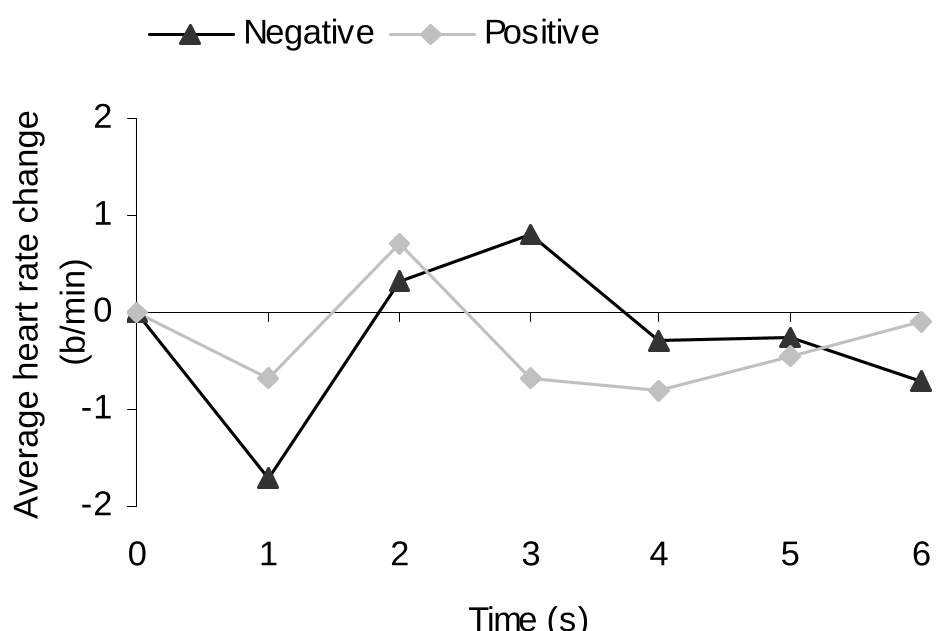 Individual matches varied, but the general trend remained consistent across the majority of participants.