
The Emotographic Iceberg: Decoding Submerged Emotions via the Internet of Things
10948_The Emotographic Iceberg Modelling Deep Emotional Affects Utilizing Intelligent Assistants and the IoT.
This paper introduces the concept of "Emotographic Iceberg" modeling, an innovative framework that utilizes Internet of Things (IoT) data and voice-command devices (VCDs) to infer human emotional states. By integrating observed digital indicators with deep-layered behavioral data (inferred metrics), the authors propose a system capable of detecting mental health conditions like depression with high granularity.
TL;DR
Human emotions are often described as an iceberg: what we show the world is only a fraction of what we feel. This paper proposes a technological shift from observed emotional indicators (like facial expressions) to inferred digital indicators harvested from our smart homes. By monitoring the "digital exhaust" of our daily routines—sleep patterns, music choices, and exercise—researchers can now detect signs of depression and anxiety more accurately than through traditional snapshots.
Problem: The "Masking" Effect in Affective Computing
Current Affective Computing (AfC) systems are predominantly visual or auditory. While AI has become adept at "reading" a smile or a tremor in a voice, these indicators suffer from two major flaws:
- Masking: Humans are experts at social masking; we can hide sadness behind a forced smile.
- Temporality: A single photo or a 10-second voice clip is a "frozen snapshot." It doesn't tell the clinician how the patient has been for the last two weeks.
The authors argue that the truth lies beneath the surface—in the patterns of our lives that we cannot easily fake.
Methodology: The Emotographic Hub
The core innovation is the Emotographic Model. Rather than just looking at the person, the system looks at the environment the person interacts with.
The Iceberg Facets
The paper categorizes data into Observed (Facets 1-4: NLP, Vision, Voice) and Inferred (Facets 5-10: Sleep, Diet, Routines, Interests).
- The Hub: Voice Command Devices (VCDs) like Amazon Echo act as the central nervous system.
- The Logic: If a user's calendar shows canceled social events (Social Isolation), their Fitbit shows lethargy (Physical Facet), and their Spotify history shifts to melancholic music (Interest Facet), the system infers a "Depressive" state even if the user's voice sounds "normal" during a specific query.
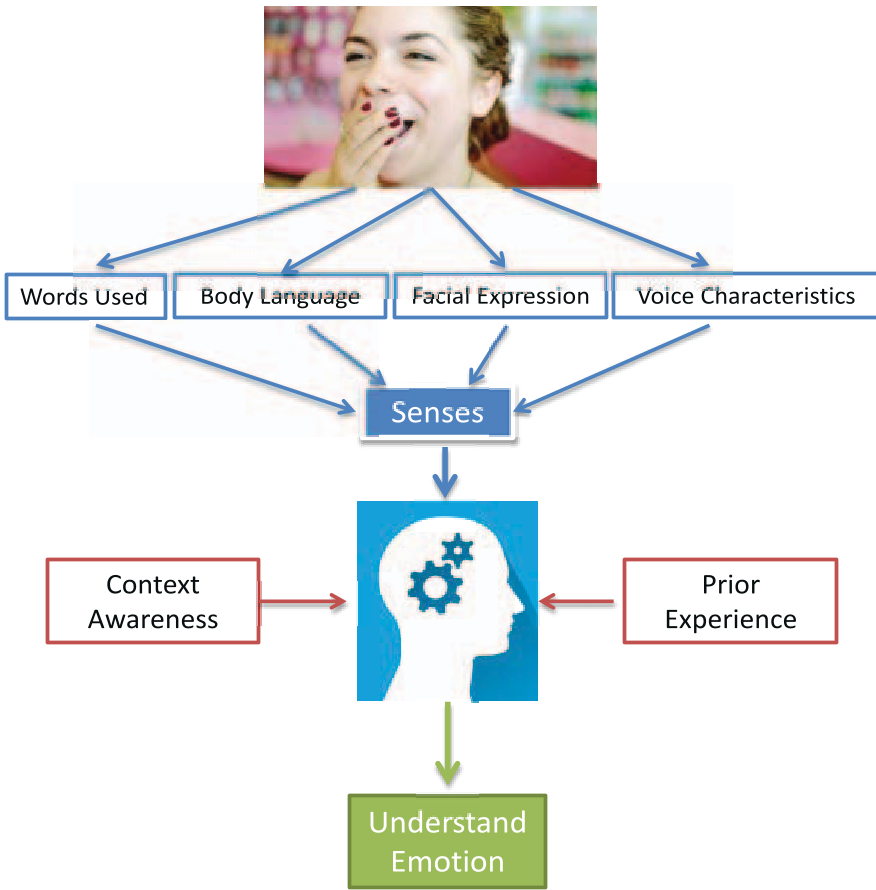 Figure 1: The integration of IoT data sources to process human emotional understanding.
Experiments: Mapping Alexa to Clinical Scales
To validate the theory, the authors mapped Alexa queries to the DSM-5 (Diagnostic and Statistical Manual of Mental Disorders) and the PHQ-9 (Patient Health Questionnaire).
| Clinical Symptom (PHQ-9/DSM-5) | Digital Proxy (IoT Data) |
|---|---|
| Disturbed Sleep | Fitbit Sleep Logs / Smart Light usage |
| Social Withdrawal | Calendar cancellations / VoIP call frequency |
| Low Motivation | Step counts / news feed engagement |
| Hopelessness | Search history (e.g., "meaning of life") |
By querying the "Alex Application," the authors could reconstruct a user's mental health profile over a two-week window—the standard clinical period for diagnosing depressive episodes.
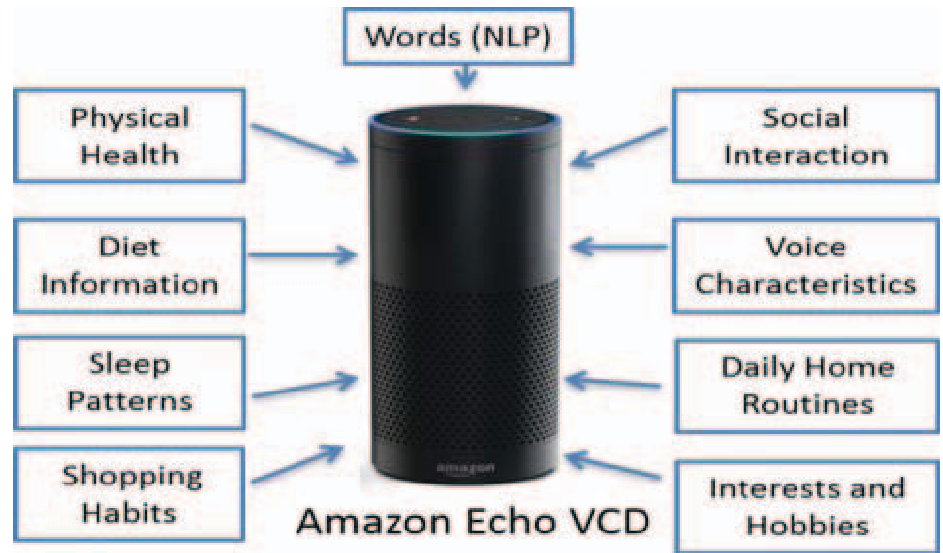 Figure 2: The diverse IoT sources that enable deep emotional inference.
Critical Insight: Deep vs. Surface Data
The true power of this method lies in longitudinal consistency. Clinical diagnosis for depression requires persistent symptoms over 14 days. While a camera-based AI might see "sadness" today, the Emotographic model sees "reduced physical activity, irregular sleep, and social withdrawal over 14 days." This provides a probabilistic foundation (using Bayesian logic) that is far more robust than traditional AfC.
Conclusion & Limitations
This work marks a transition from Reactive AI (responding to an emotion) to Proactive/Predictive AI (detecting a trend). However, the "Elephant in the room" remains Privacy. Accessing a user's search history, diet, and kitchen appliance usage to "diagnose" them creates significant ethical hurdles.
Takeaway: As IoT devices become more pervasive, our "Digital Twins" will inherently carry our emotional signatures. This paper provides the blueprint for how clinicians might one day use that footprint to save lives.