
Decoding the Facebook Habit: Why We Stay Connected
Empirical investigation on factors influencing the behavioral intention to use Facebook
This study presents an empirical investigation into the behavioral factors driving Facebook adoption using the Technology Acceptance Model (TAM). By integrating Perceived Enjoyment as a key hedonic variable, the researchers establish a robust framework that explains how intrinsic and extrinsic motivations influence usage intentions among university students.
TL;DR
This research investigates the psychological drivers behind Facebook's massive adoption. By applying an augmented Technology Acceptance Model (TAM), the study discovers that while "ease of use" is essential, the real drivers of long-term loyalty are Perceived Usefulness and Perceived Enjoyment. If a platform isn't both helpful for social life and fun to browse, users eventually drift away.
Academic Positioning: This work serves as a critical bridge between early IT productivity research and the modern "Hedonic Information Systems" era.
The "Why" Behind the Status Update
In 2011, Facebook was evolving from a college directory into a global phenomenon. Yet, researchers struggled to explain why millions spent billions of minutes on a platform that didn't technically "do" work for them. Traditional models suggested people use tech to be more efficient; this paper argues that on social media, efficiency means social capital and entertainment.
Methodology: The TAM Framework
The researchers based their work on the Technology Acceptance Model (TAM), but with a twist. They recognized that Facebook users aren't just "users"; they are "consumers of experience."
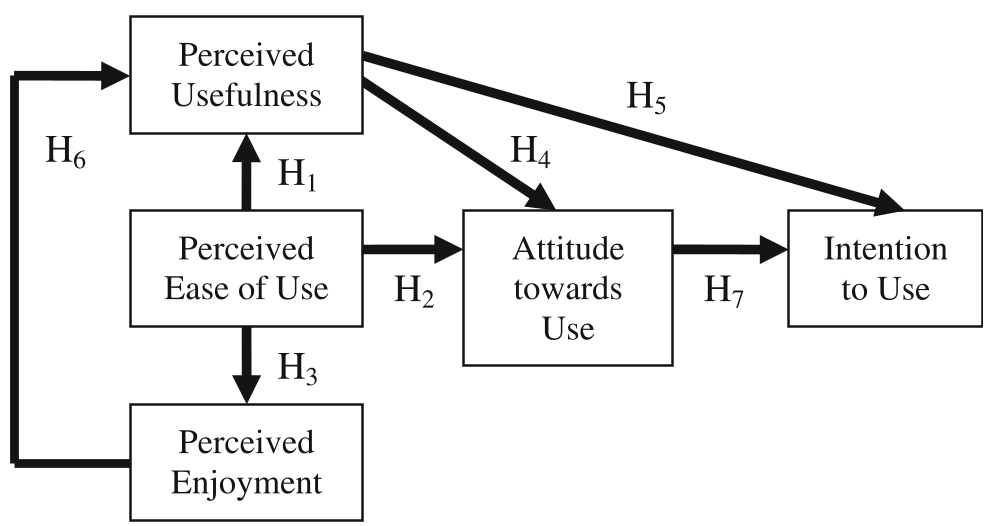
They proposed a model where:
- Ease of Use makes the platform more Useful and Enjoyable.
- Enjoyment and Usefulness shape your Attitude.
- Your Attitude and Usefulness determine if you will keep using it.
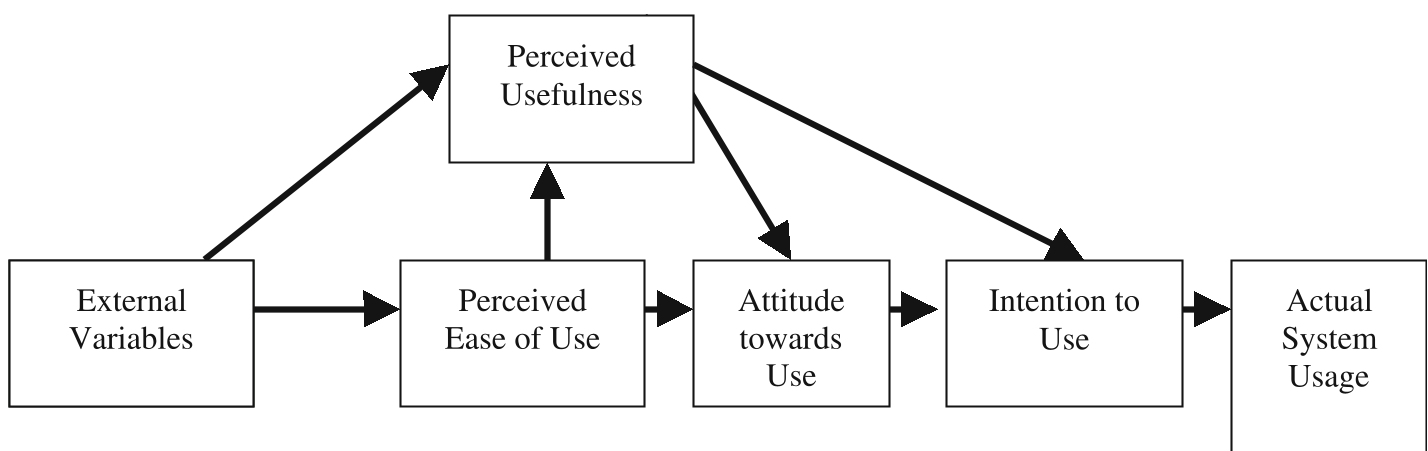
Core Insights: The Mastery of "Ease"
The study’s regression analysis revealed a powerful insight: Perceived Ease of Use (PEU) is the bedrock.
- The PEU PU Link: With a standardized beta of 0.692, the ease of navigating Facebook is the strongest predictor of whether a user thinks the site is "useful." In the world of SNS, if a feature is hard to find, it effectively doesn't exist.
- The Enjoyment Factor: As shown in the findings, when users find Facebook "playful," they perceive it as more useful for their daily lives. This creates a virtuous cycle of engagement.
Results at a Glance
The data from 200 respondents confirmed that the model is statistically sound. Attitude remains a vital gatekeeper: if a user doesn't have a positive emotional "disposition" toward the brand, even a useful site won't keep them coming back.
| Predictor | Beta () | t-value | Result |
|---|---|---|---|
| Perceived Usefulness | 0.352 | 4.504 | Significant |
| Attitude | 0.278 | 3.565 | Significant |
Deep Insight & Future Outlook
The study concludes with a strategic mandate for developers: Add "Game Zones" and social features. In 2011, this looked like "FarmVille"; today, this translates to short-form video (Reels) and interactive AR filters.
Limitations & Strategy
The study was limited to a specific demographic in Malaysia (USM students). However, its core lesson is universal: Social networks are not tools; they are environments.
To survive, a platform must minimize "Cognitive Load" (Ease of Use) while maximizing "Social Utility" (Usefulness) and "Dopamine Hits" (Enjoyment). Future research should explore how these factors shift when "Privacy Concerns" and "Alogrithmic Bias" enter the equation—variables that were less prominent when this study was published.