
Beyond Specs: Why Social Features are the Secret Weapon for Complex Decision Making
Empirical Study of Social Features' Roles in Buyers' Complex Decision Making
This empirical study explores the integration of social features (popularity, reviews, usage trends) into the complex decision-making process for high-value products like digital cameras. By observing user interactions with Flickr and Yahoo Shopping, the author identifies a three-stage decision model where social data significantly outperforms static attributes in boosting user confidence and final purchase intention.
TL;DR
When buying a $1,000 camera, do you look at the sensor size or what other photographers are actually using? This paper reveals that for "high-risk" products, social features—like community popularity and real-world usage photos—are far more influential than technical specs. By tracking real users, the study proposes a three-stage decision process and proves that social validation is the key to turning a browser into a confident buyer.
Background: The Trust Gap in E-Commerce
Most recommendation engines are built for "low-value" items like songs or books. But when the stakes are high (expensive, infrequently bought items like cars or tech), the traditional "Static Attribute" model fails. We don't just need to know what a product is; we need to know how it performs in the wild. The author argues that "opinions posted by consumers" are now more trusted than any corporate advertisement.
The "Three-Stage" Cognitive Journey
While psychology traditionally suggests a two-stage process, this research uncovers a more iterative Three-Stage Consumer Decision Process:
- Screening (Stage 1): Filtering the initial noise to find a pool of interesting candidates.
- In-depth Evaluation (Stage 2): Deep-diving into specs and saving satisfying options to a "wish list."
- Final Comparison (Stage 3): Pitting the finalists against each other to justify the "Buy" button.
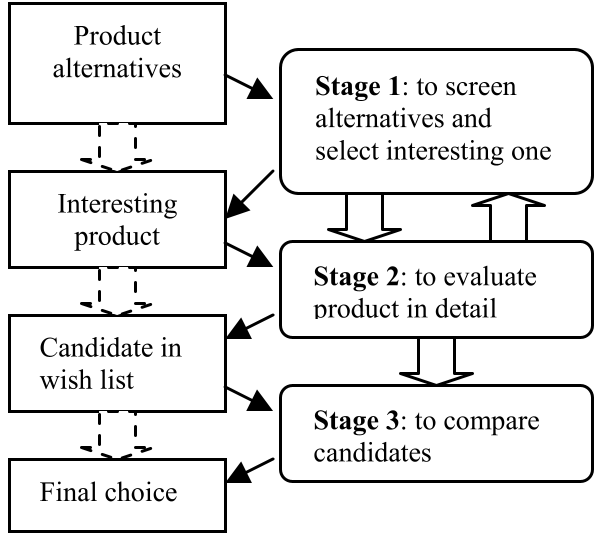 Figure 1: The Iterative Flow of Complex Decision Making.
Methodology: Flickr vs. Yahoo Shopping
To test the weight of social vs. static information, the study compared Flickr Camera Finder (social-driven: usage trends, real photos) with Yahoo Shopping (static-driven: technical specs, price comparisons).
Key Insight: The "Popularity" Paradox
Interestingly, users ignored the "Top Cameras" list on Yahoo (viewing it as potentially "faked" or "commercial") but heavily relied on Flickr’s popularity rankings. Why? Because Flickr’s data was tied to actual behavior—the number of photos uploaded by real users—making it a "neutral and credible" proxy for quality.
The Heavy Hitters in Data
The data suggests a clear division of labor between different information types:
- Social for Discovery: Over 53% of interesting products were discovered via social features.
- The Power of Combination: The highest conversion to "wish lists" happened when users reviewed both sites.
- Social for the "Closer": At the final stage, 75% of users used social factors (like photos taken with the camera) to make the final choice.
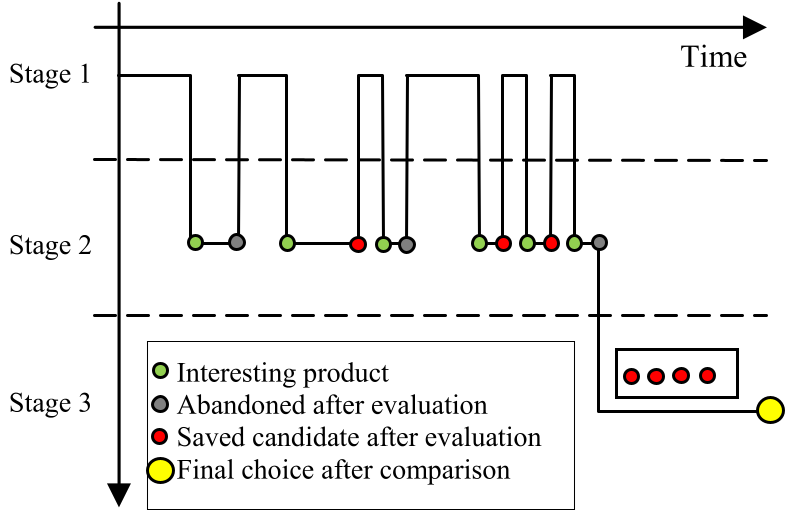 Figure 2: Distribution of how users found their initial "Interesting Products."
Critical Analysis: The Strategy for Future Systems
The study provides three vital design implications for the next generation of Recommender Systems:
- Credibility through Source: Social popularity should be derived from neutral social media platforms rather than commercial storefronts to bypass user skepticism.
- The "Expert-Social" Hybrid: Users want "Related Products" to be curated by experts or filtered by hard constraints (like price), rather than just "people who clicked this also clicked that."
- Prioritize the Negative: Users are "loss-averse." They care more about negative reviews than positive ones. Knowing if they can "stand the drawbacks" is the final hurdle to a purchase.
Conclusion
This work shifts the focus of decision support from "Information Retrieval" to "Trust Building." By integrating social usage trends—like real photos and community-driven popularity—into the decision loop, platforms can drastically improve decision confidence. As we move toward more autonomous AI shopping assistants, incorporating these social "gut checks" will be essential for high-stakes commerce.
Takeaway: In the battle for the consumer's wallet, a photo taken by a peer is worth a thousand technical specifications.