
Energy Babble: When "Useless" Technology Becomes the Perfect Research Tool
Energy Babble: Mixing Environmentally-Oriented Internet Content to Engage Community Groups
The paper presents "Energy Babble," a ludic (playful) design intervention consisting of 28 automated audio devices deployed across UK energy communities. It acts as a specialized "talk-radio" that algorithmically synthesizes environmental data, Twitter feeds, and community inputs into a continuous, often surreal, broadcast to engage groups in sustainability discourse.
TL;DR
Researchers at Goldsmiths and the University of Sydney challenged the status quo of "smart energy" gadgets by building the Energy Babble—a weird, glass-domed device that plays synthesized "radio" broadcasts about climate change. Instead of telling people how much electricity they saved, it "babbles" about solar panels, government policies, and random tweets. The result? A fascinating look at how being "unhelpful" can actually yield deeper sociological insights than any "useful" app.
The Problem with Being "Useful"
For years, Human-Computer Interaction (HCI) has tried to save the planet through "persuasive technology." The logic was simple: give people a dashboard showing their energy use, and they’ll turn off the lights.
The reality is much bleaker. Studies show these effects are short-lived. Worse, they treat humans as "Resource Man"—a robotic, rational actor who only cares about efficiency. This ignores the fact that energy use is tied to culture, family habits, and political frustration. The authors argue that by focusing only on individual behavior, we miss the community struggle.
Methodology: The "Idiot" in the Room
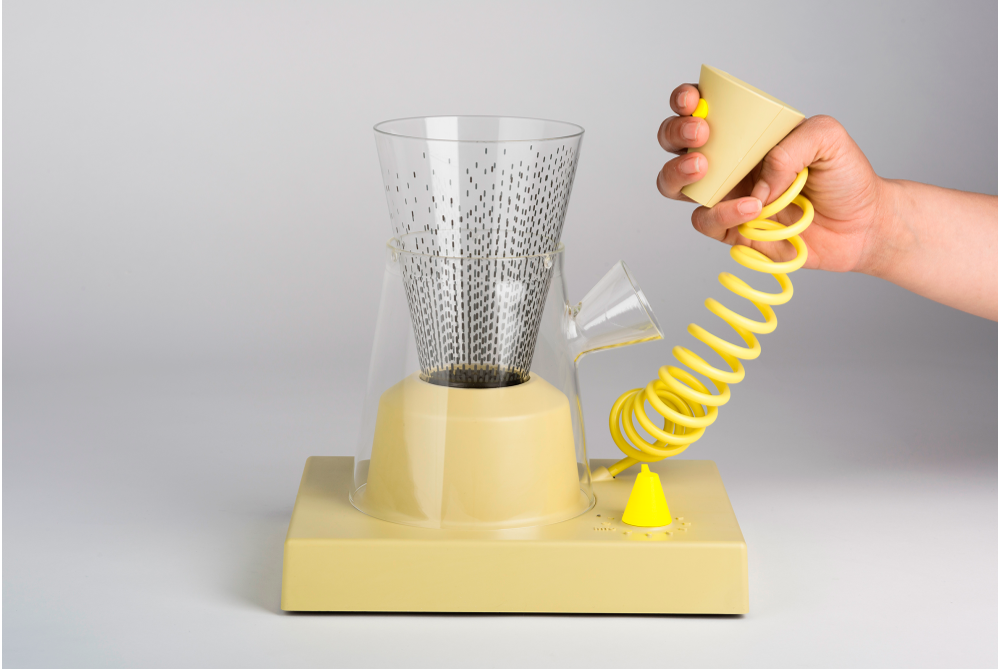
The Energy Babble was designed to be a "research tool" disguised as a product. Its architecture is a mix of high-tech and high-art:
- Architecture: A Raspberry Pi inside an injection-molded base, topped with hand-blown glass to amplify sound.
- The Content Engine: It scrapes Twitter (DECC, National Grid, local groups), tracks the carbon intensity of the UK grid, and uses Markov algorithms to scramble text into "locally sensible but globally drifting" nonsense.
- The Interaction: Users can talk back to it via a microphone, but their voice is synthesized to match the "radio" voices, keeping the conversation anonymous and surreal.
Insights from the "Failure"
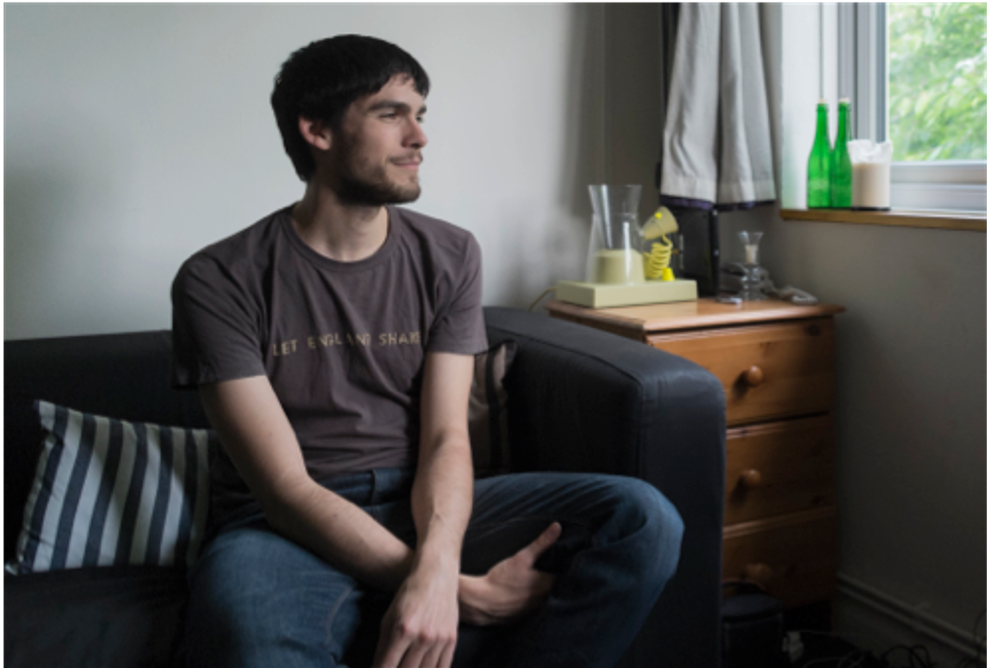
When the researchers deployed the Babble, the initial reaction was confusion. Participants expected a "gizmo to save energy." Instead, they got a "stream of consciousness" that sometimes shouted about oil prices in the middle of the night.
As an information product, it was mediocre:
- Users found it "repetitious."
- The "jumbly stuff" (nonsense) frustrated those wanting "straight news."
- The audio was sometimes a "conversation stopper" at dinner.
However, as a research tool, it was brilliant. Because the device was so "obdurate" (stubborn) and "stupid," it forced the human participants to explain why it was failing them. These "complaints" turned into hours of deep ethnographic data.
Deep Insight: The "Concentration" Tactic
The most profound takeaway is how the Babble worked by Concentration. By gathering the "mess" of environmental discourse—Twitter drama, technical grid data, and community gossip—it reflected the true, exhausting reality of being an environmental activist in the UK.
It revealed that:
- Energy is not "sterile": It is entangled with "pigeon droppings under solar panels," "fuel poverty," and "government rule-changes."
- Communities are fragile: Groups are often in competition for funding, making them reluctant to "share secrets" or "proselytize."
Conclusion: Beyond Efficiency
The Energy Babble teaches us that the future of Sustainable HCI might not be more "efficient" trackers. Instead, we need technologies that act as "social mirrors", acknowledging the complexity and frustration of living sustainably.
Takeaway for Designers: If you want to understand a community, don't just build a tool that solves their problem. Build something that participates in their world—even if it just "babbles" in the corner.