
Beyond Censorship: The Power of Social Consultation in Soft Rumor Control
Engineering Applications of Artificial Intelligence
2024-04-15
Summary
Problem
Method
Results
Takeaways
Abstract
This paper proposes a "Soft Rumor Control" model that utilizes trust-based consultation with Reputable Authorities (RAs) and Trusted Friends (TFs) to mitigate misinformation. The framework employs an Evolutionary Game Model (EGM) on graphs to analyze dynamics, achieving effective suppression of rumors validated against the real-world Pheme Twitter dataset.
## TL;DR
The spread of misinformation is a psychological war, not just a data problem. This paper moves away from "Hard Control" (censorship) and proposes a "Soft Control" mechanism. By modeling social networks as an **Evolutionary Game**, the researchers show that helping users consult **Trusted Friends (TFs)** and **Reputable Authorities (RAs)** is more effective at stopping rumors than simply deleting posts.
## The Motivation: Why Censorship Fails
Traditional rumor control relies on "Hard" mechanisms—blocking accounts or deleting messages. However, this often triggers a "whack-a-mole" effect, where new accounts emerge, or users become frustrated, leading to a loss of trust in the platform. The authors argue that the missing link in current research is **human agency**. Most models use epidemic analogies (like the SIR model), assuming rumors spread like biological viruses. In reality, people *choose* whether to believe and share based on their social circle and personal expertise.
## Methodology: Trust and Games
The authors propose a dual-layer approach to turn the tide against misinformation.
### 1. The Trust Model for Consultation
How do you know who to ask when you see a suspicious tweet? The paper defines a trust score based on three tangible social factors:
* **Interest ($IN$):** Is the friend an expert or regularly active in the topic of the rumor?
* **Social Intimacy ($SI$):** How close is the link between the user and the consultant?
* **Social Popularity ($SP$):** Is the consultant responsive to theirs peers (based on retweets and replies)?
### 2. Evolutionary Game Model (EGM)
The battle between Rumor Spreaders (RS) and Anti-Rumor Spreaders (ARS) is modeled as a game on a graph. Users update their strategies based on **payoffs**. When a user consults a "Trusted Friend," they are more likely to adopt an ARS strategy, effectively becoming a "vaccine" in the network that actively refutes the rumor.
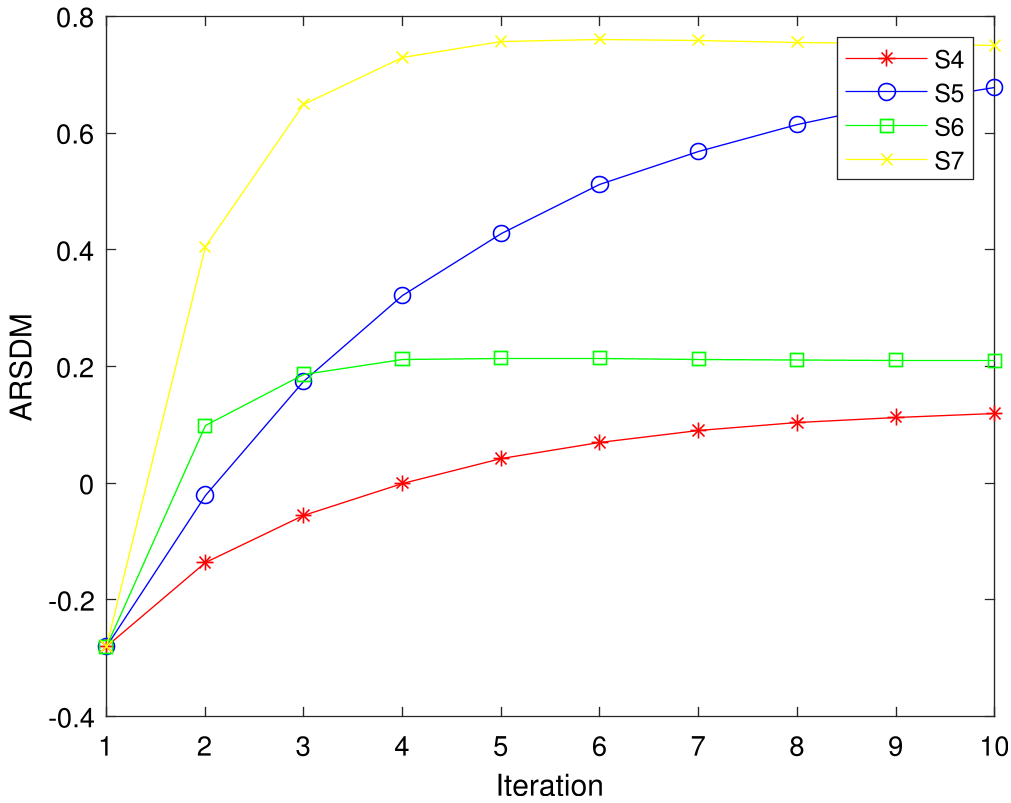
*The chart above illustrates how different society profiles (e.g., Shrewd vs. Naive) impact the effectiveness of soft control.*
## Experimental Evidence: Real-World Performance
The team tested their model against the **Pheme dataset**, which contains real-world rumor threads from events like the *Charlie Hebdo* shooting and the *Sydney siege*.
* **Precision:** The model predicted which users would become anti-rumor spreaders with an **average F-measure of 0.549**, showing that the trust parameters are grounded in real behavior.
* **Efficiency:** Soft control outshines hard control. Even if a platform deletes 100% of rumor-spreading accounts, the rumor can survive through "ignorant" users. Soft control, however, converts these users into active refuters, creating a more resilient network.
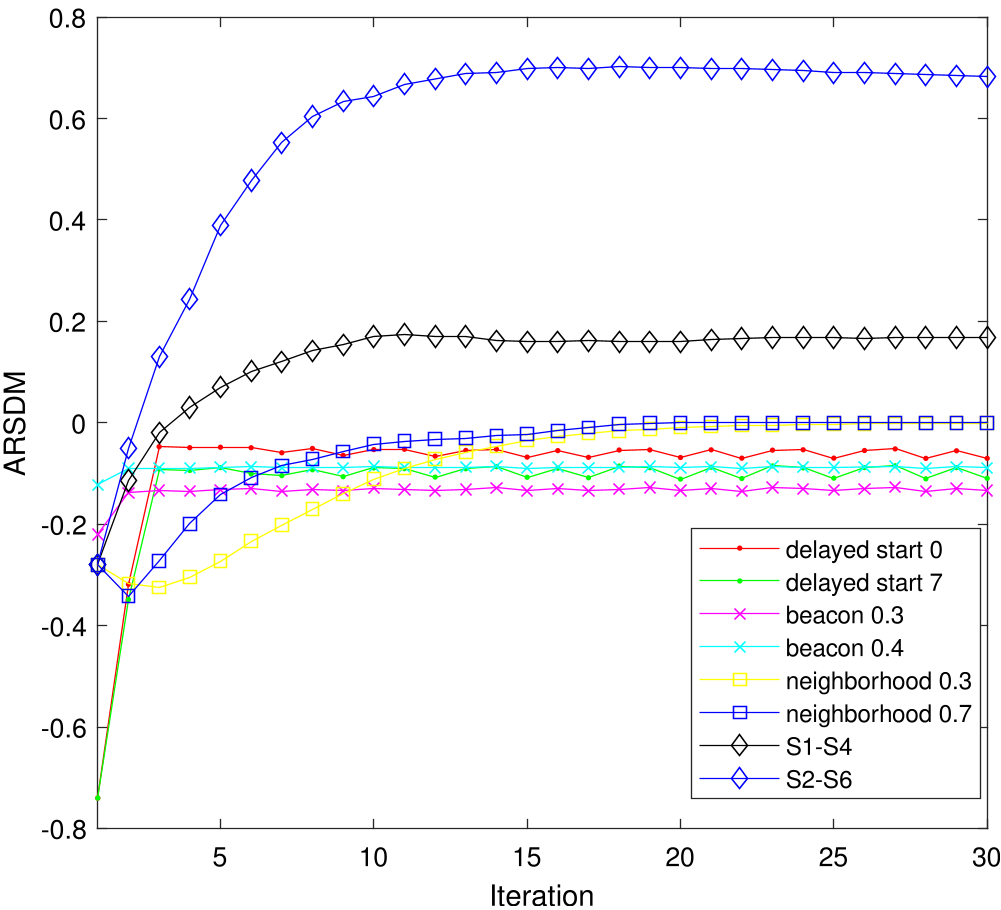
*Comparison against baseline models (Beacon, Neighborhood, Delay-start) highlights the superiority of the trust-based consultation approach.*
## Critical Insights: The "Shrewd" Society
The research reveals a vital sociological insight: **Soft control is highly dependent on "Cyber Literacy."** If a society is "Opinionated and Naive" (low tendency to consult and low focus on trustworthiness), rumors will still spread.
**Limitations:** The model assumes human maliciousness is limited (under 10% of the population) and does not fully account for coordinated AI-driven bot attacks.
## Conclusion
This work provides a blueprint for next-generation social media features. Instead of just a "Report" button, platforms should implement "Consult an Expert" or "Verify with Friends" features. By empowering a **shrewd and open-minded** user base, we can build social networks that are inherently resistant to the noise of misinformation.