
Beyond the Hierarchy: How Enterprise Crowdsourcing Reshapes Innovation Culture
The Impact of Enterprise Crowdsourcing on Company Innovation Culture: The Case of an Engineering Consultancy
This study investigates the impact of "Idébørsen," an enterprise crowdsourcing platform, on the innovation culture of a large engineering consultancy. It demonstrates how internal crowdsourcing shifts innovation from a project-centric model to a participatory, employee-driven ecosystem.
TL;DR
Can a digital platform change the way an entire engineering firm thinks? This study explores Idébørsen, an enterprise crowdsourcing tool used by a major Danish consultancy. By allowing employees to "trade" and "comment" on ideas like stocks, the firm successfully broke through project silos, empowered junior staff, and turned innovation into a transparent, company-wide game.
Context: The Innovation Bottleneck
In high-stakes engineering consultancies, innovation usually happens "under the radar" within specific projects. While effective for the client, this knowledge often remains trapped in a silo. The researchers identified a critical pain point: Innovation was hierarchically driven and project-bound, leaving no room for "out of the box" ideas that didn't fit a specific billable hour.
Methodology: Mapping Cultural Shift
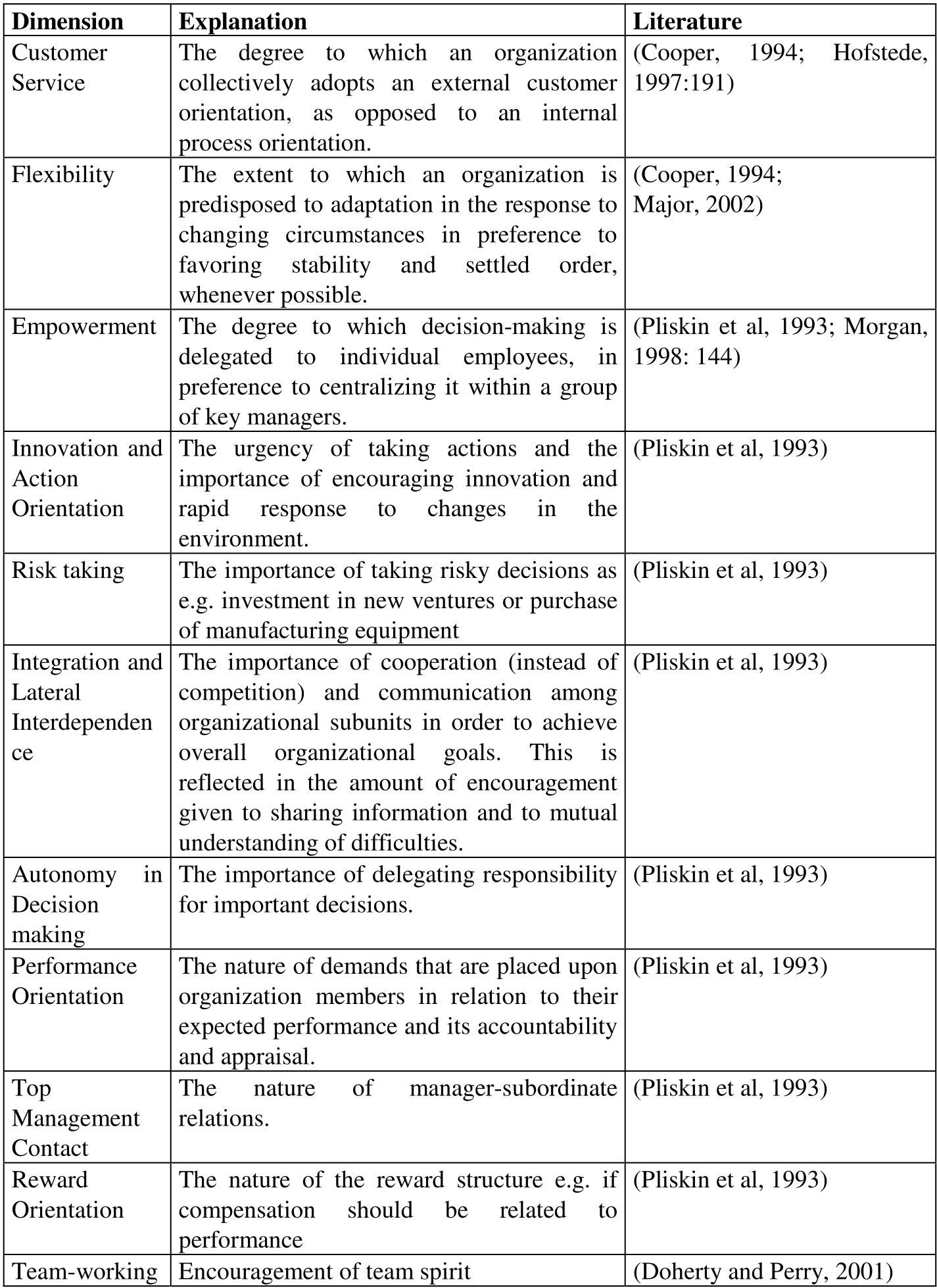
The authors didn't just look at the number of ideas; they looked at the cultural DNA of the firm. Using a framework of 11 dimensions—including Empowerment, Risk-taking, and Lateral Interdependence—they tracked how the introduction of a digital "Idea Exchange" moved the needle.
The Idébørsen Mechanism
The platform functioned as a virtual stock market for ideas:
- Brainstorming: Employees post ideas based on strategic themes.
- Trading: Every user receives virtual currency to "invest" in ideas they believe in.
- Transparency: The "spot value" of an idea (driven by investments and comments) dictates its ranking, bypassing traditional managerial gatekeepers.
Core Insights: Why It Worked
1. The Power of "Shortcutting"
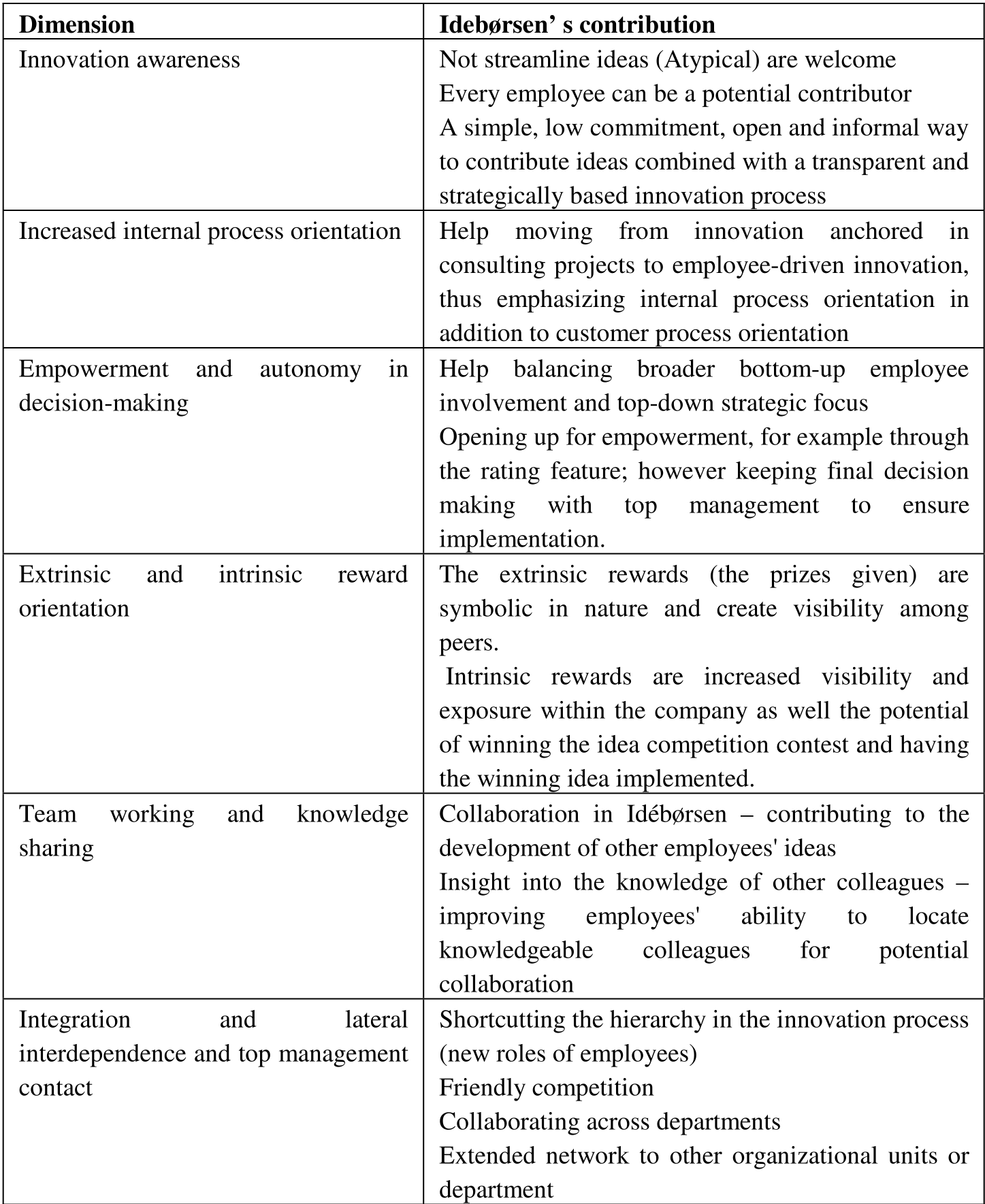
Traditionally, an idea had to survive several layers of management to see the light of day. Idébørsen acted as a hierarchy shortcut. Junior engineers could gain direct visibility from the Innovation Director, effectively "equalizing" the playing field.
2. From Customer-Centric to Process-Centric
By shifting focus from project problems to internal process innovation, the company encouraged employees to think about the firm’s long-term efficiency. It turned "passive workers" into "active stakeholders."
3. Gamification as a Cultural Catalyst
The use of "virtual money" and "trading" made innovation fun rather than a chore. This gamification lowered the barrier to entry, encouraging even those who didn't have a "big idea" to participate as commentators or "investors."
Critical Analysis & Takeaways
The study highlights that Technology alone is not a silver bullet. The success of Idébørsen relied on "Techno-change"—the alignment of the IT tool with organizational incentives (like the "Innovation Day" where winners were implemented).
Limitations: The study notes that while culture started to shift, it is unclear if these changes persist once the "six-week competition" ends. This suggests that for crowdsourcing to truly bake into culture, it must move from an "event" to a "permanent habit."
Future Outlook: For modern firms, the takeaway is clear: if you want innovation, stop asking for suggestions in a box—start building a transparent marketplace where every employee has a stake in the company's future.