
ESG Evolution in the Media Sector: A Comparative Study of Xinhua Media and Sunwave Communications
企业评价体系的管理实践特征与乡村振兴分析——以新华传媒和三维通信为例_韩宜辰
This paper examines the ESG (Environmental, Social, and Governance) management practices and information disclosure of Chinese listed media companies, specifically focusing on Xinhua Media and Sunwave Communications. Through content analysis and case comparison, it evaluates their governance evolution and contributions to "Rural Revitalization" between 2015 and 2025.
TL;DR
Sustainability is no longer an elective for corporate entities but a core competitive lever. This study analyzes how Xinhua Media and Sunwave Communications navigated the ESG landscape from 2015 to 2025. While Xinhua Media leveraged a robust institutional framework to reach an "AA" rating, Sunwave Communications demonstrated superior quantitative performance in environmental metrics and financial support for rural revitalization.
Beyond Buzzwords: The Motivation for Systematic ESG
In the past, ESG in the media industry was often relegated to fragmented mentions in annual reports. However, as global investable assets under ESG frameworks surged (reaching $30.3 trillion), the lack of standardized, quantitative reporting became a significant bottleneck. The authors sought to understand how traditional media (Xinhua) and tech-driven communications (Sunwave) differ in their structural approach to environmental risks and social responsibilities like Rural Revitalization.
Methodology: Tracking the Shift from Qualitative to Quantitative
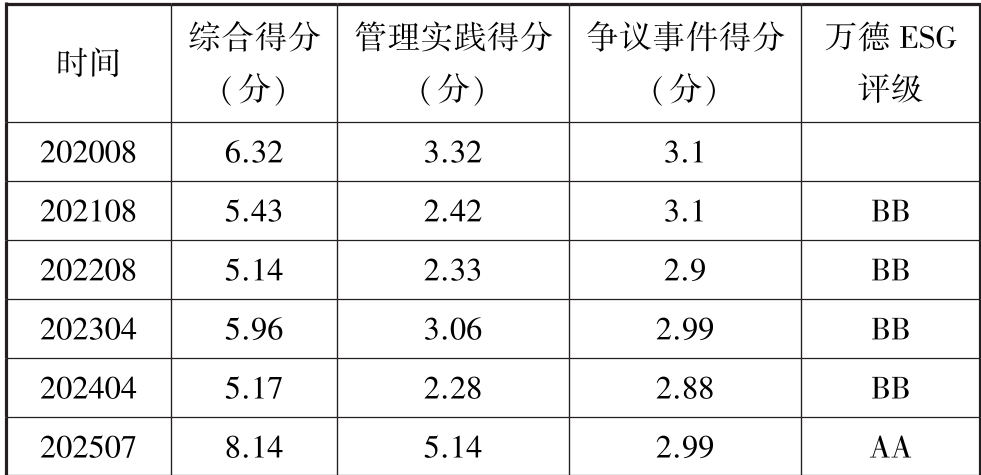
The research utilizes Content Analysis to map the transition from "fragmented principle-based disclosure" to "systematic institutional embedding." By utilizing Wind ESG ratings, the study breaks down performance into three critical dimensions:
1. Environmental (E): The Performance Gap
There is a stark contrast in climate management. Sunwave Communications has established a closed-loop system with clear emission reduction paths (targeting a 15% reduction in 2024). In contrast, Xinhua Media focuses on green office initiatives and building renovations but lacks a quantifiable climate governance system.
2. Social (S): Labor Rights and Rural Impact
A pivotal moment occurred in July 2025 for Xinhua Media, where social management scores exploded due to restructured labor management and improved transparency in employee benefits.
3. Governance (G): Structure vs. Market
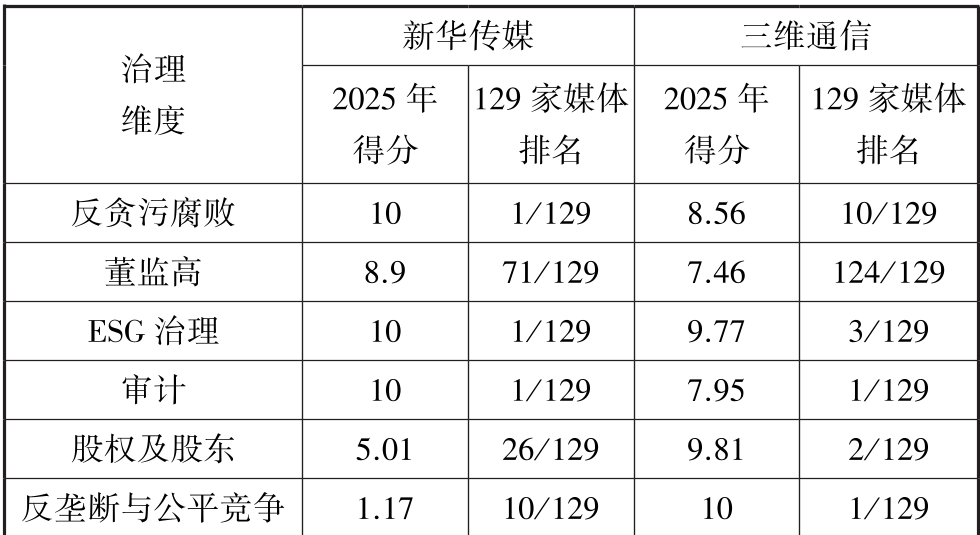
Xinhua Media's strength lies in its Three-Level Management Architecture (ESG Committee — Management — Execution). This state-owned background provides a stable institutional foundation. Sunwave, being more market-oriented, focuses on shareholder returns and anti-monopoly compliance but shows room for improvement in internal governance depth.
The Rural Revitalization Frontier
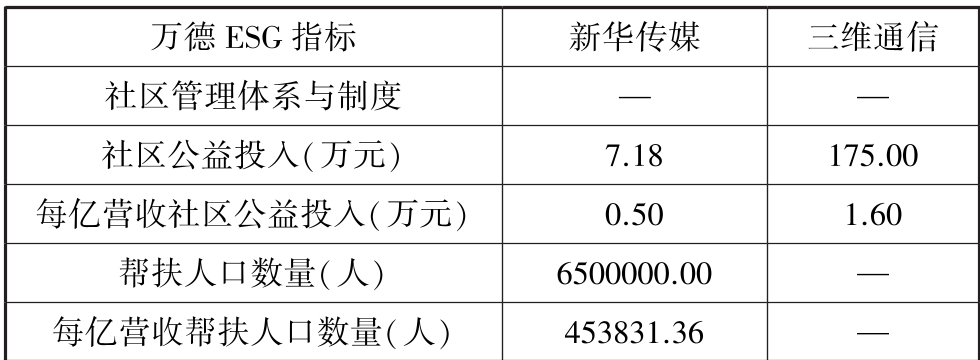
The paper highlights Rural Revitalization as a unique extension of the "Social" dimension in the Chinese context.
- Sunwave Communications: Stronger financial "muscle," with higher intensity in capital investment per unit of revenue.
- Xinhua Media: Broader "reach," covering an impressive 6.5 million people through its content and services.
Critical Insights & Conclusion
The core takeaway is that institutional reform drives rating upgrades. Xinhua Media’s jump to an "AA" rating was not accidental but the result of formalizing ESG into board-level strategies.
Limitations & Future Work: Despite the progress, both companies still show gaps in Scientific Carbon Targets (SBTi) and long-term strategic roadmaps for rural impact. Future research should look at how the integration of AI and digital platforms can further quantify the social benefits of media companies, shifting from "what we did" to "what impact we measured."
In conclusion, for the Chinese media industry to gain international cultural market standing, ESG must evolve from a compliance "check-box" into a tool for strategic differentiation.