
SCP: Bridging the SME Collaborative Gap via Social Networking Architecture
A social collaboration platform for enterprise social networking
This paper introduces a Social Collaboration Platform (SCP) and a specialized system architecture designed to enhance communication and cooperation among Small and Medium-sized Enterprises (SMEs). Developed by Ufida Software, the platform integrates Web 2.0 features—such as micro-blogging, group-based project management, and product catalog synchronization—to bridge the digital divide for SMEs that cannot afford traditional enterprise portals.
TL;DR
To address the high cost and complexity of traditional enterprise collaborative tools, this paper presents a Social Collaboration Platform (SCP) specifically tailored for SMEs. By integrating Web 2.0 concepts like micro-blogging and social groupware with traditional ERP functions, the authors provide a lightweight, cost-effective solution for cross-enterprise cooperation, product data synchronization, and project management.
Problem & Motivation: The "Digital Landfill" and SME Barriers
Large corporations have long utilized expensive, complex portals for collaborative product development. However, Small and Medium Enterprises (SMEs) face a double-edged sword:
- Financial/Technical Void: They cannot afford the heavy infrastructure of traditional PDM/ERP portals.
- Information Overload: Reliance on email leads to what the authors call "digital landfills," where critical knowledge is lost in hundreds of threads.
- Disconnected Workforce: Modern work requires human connections across disparate locations that traditional "closed" systems simply don't support.
The authors' insight is to leverage the Consumerization of Social Technology. If users are already comfortable with Facebook or Twitter, why not use those same interaction patterns for B2B supply chain management?
Methodology: The Architecture of Social Collaboration
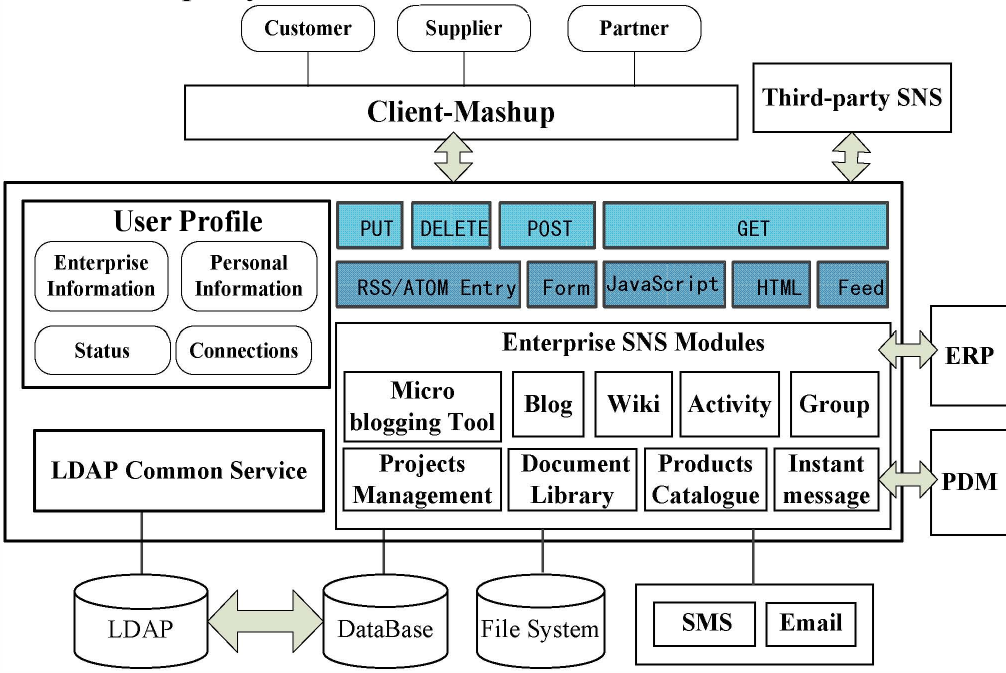
The proposed SCP is built on a standard 3-layer MVC framework (View, Business, and Persistence) but extends it with a plug-in system based on the Discuz X2 framework.
1. System Architecture
The platform enables a "single profile" for both users and enterprises, effectively turning a company into a social entity that can "friend" its suppliers, dealers, and partners.
2. Product Catalog Synchronization
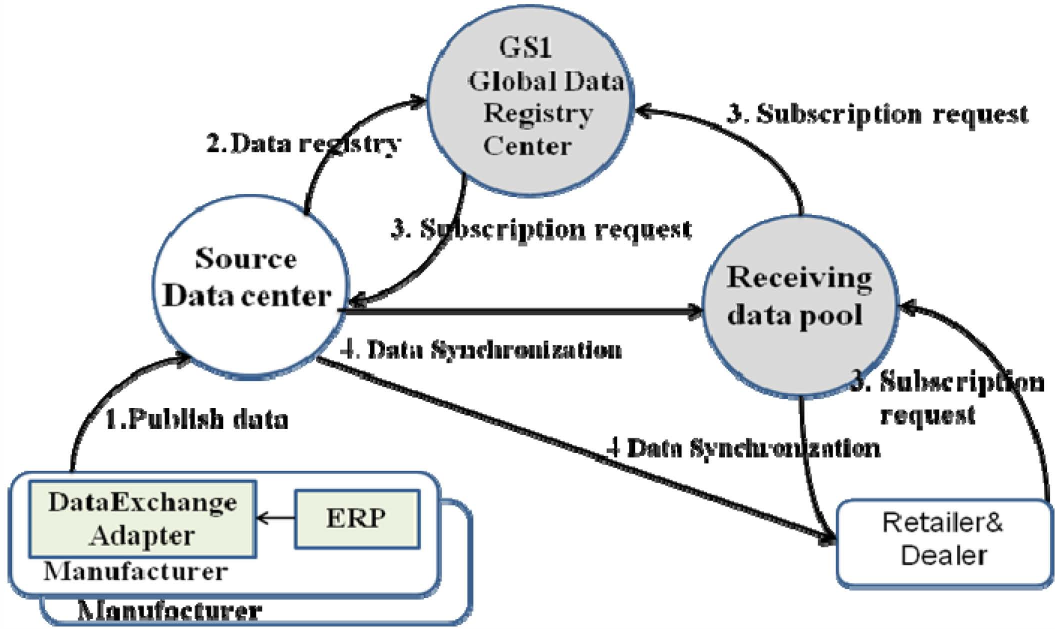
A standout feature is the Global Data Synchronization (GDS) adaptation. Recognizing that the standard GDSN process is too complex for SMEs, the authors simplified it into a two-step process where manufacturers push data from PDM/ERP to the SNS platform, which dealers then consume via lightweight Web Services or XML.
Social Project Management: A Paradigm Shift
The paper emphasizes a shift from Traditional PM to Social-based PM. Unlike traditional project management that focuses primarily on internal tasks, this social approach invites external stakeholders (customers, sponsors, suppliers) into the loop.
Key Differences:
- Openness: High transparency with stakeholders.
- Interaction: Direct links to third-party social media (Sina, Renren) for market feedback.
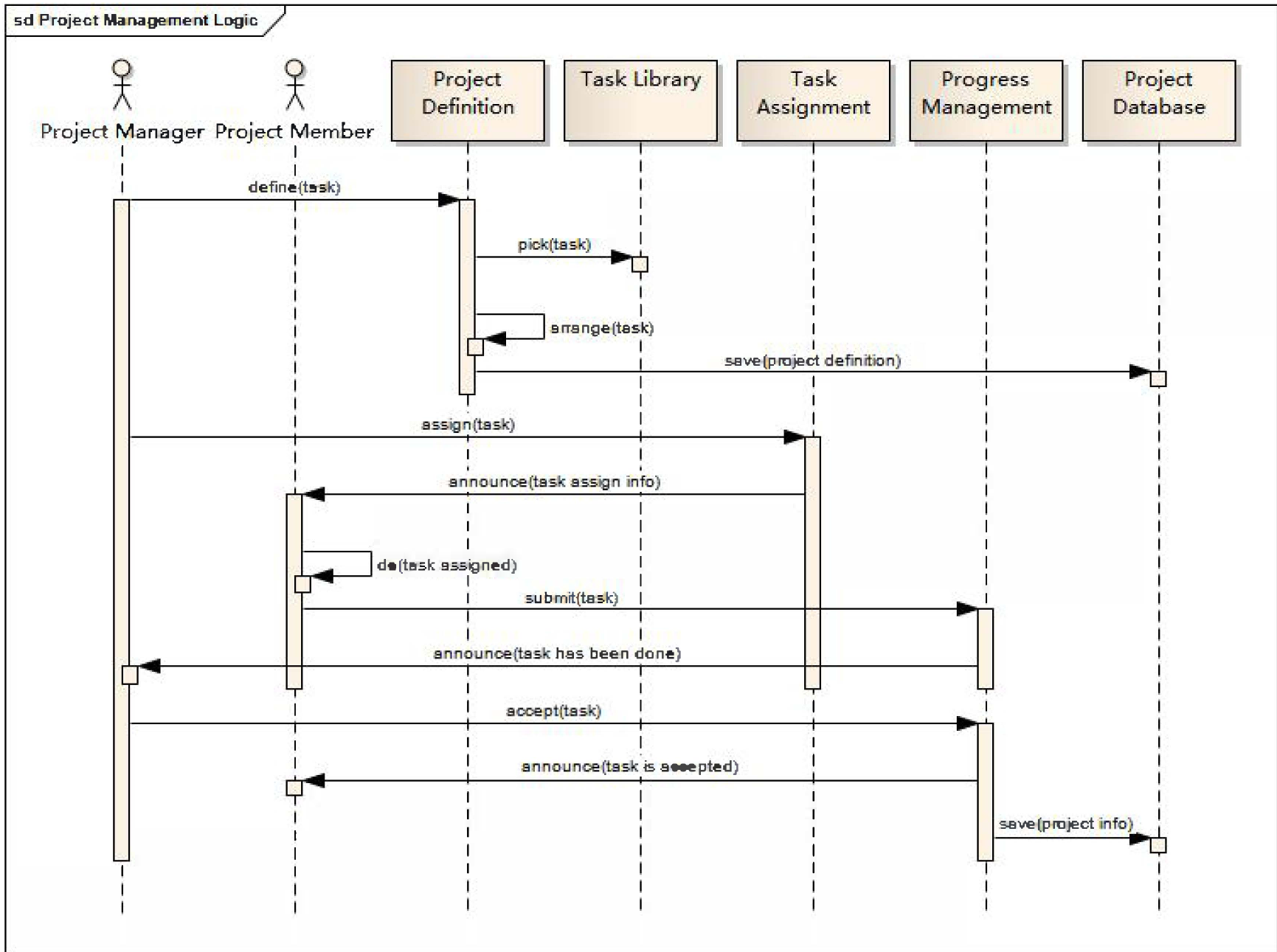
- Logic: Tasks are managed via a sequence diagram where completion automatically triggers notifications to the next member in the chain.
Experiments & Real-world Application
The platform, deployed at www.yonyou.com, serves as an "Enterprise Community." In practice, it allows designers to receive market feedback via micro-blogging tools and collaborate on product development with partners in a "discussion forum" atmosphere rather than a rigid, solemn software environment.
Functional Comparison
| Capability | Traditional ERP/PM | Social Collaboration Platform |
|---|---|---|
| Communication | Offline / Email Heavy | Real-time / Forum / IM |
| Architecture | Heavy / Proprietary | Light / Open / Web-based |
| Stakeholder Access | Internal Only | Internal + External (Supply Chain) |
Critical Analysis & Conclusion
Takeaway
The work successfully demonstrates that social software is not just for leisure; it is a viable structural foundation for Enterprise 2.0. By simplifying the GDS process and adopting social interaction patterns, the authors have lowered the entry barrier for SMEs to participate in modern digital supply chains.
Limitations & Future Work
- Security Concerns: Moving enterprise data to a social-oriented platform introduces security risks that the current paper only briefly mentions.
- System Fragmentation: Future work needs to integrate deeper with "fragmented" social applications and further refine the flexibility of the supply chain network.
- Scalability: While excellent for SMEs, the performance of a PHP/MySQL-based social framework for massive conglomerate-scale data remains a question for further exploration.
Ultimately, this research serves as a blueprint for transforming closed enterprise systems into collaborative, open ecosystems.