
ESN Dynamics: How Enterprise Social Networking Shapes Creative Responses to Work Stress
Enterprise social networking usage as a moderator of the relationship between work stressors and employee creativity: A multilevel study
This study investigates the multi-level impact of Enterprise Social Networking (ESN) on the relationship between work stressors and employee creativity. Using a hierarchical linear model (HLM) on 260 employees, it demonstrates that task-oriented and relationship-oriented ESN usage act as differential moderators for challenge and hindrance stressors.
TL;DR
In the modern digital workplace, stress is inevitable, but its impact on creativity isn't set in stone. This study reveals that task-oriented ESN usage is a powerful ally, turning pressure into innovation by increasing "message transparency." However, using ESN primarily for socializing can backfire, acting as a distraction that further stifles the creativity of employees already struggling with "bad" stressors like job insecurity.
Problem & Motivation: The Missing Link in Stress Management
For decades, management scholars have debated whether stress fuels or kills creativity. The conflict arises from two gaps:
- Stressor Duality: Not all stress is equal. Challenge stressors (e.g., high workload, responsibility) can be motivating, while hindrance stressors (e.g., red tape, role ambiguity) are inherently draining.
- IT Context: Most existing theories (like the JDCS model) were developed before the era of instant, visible communication. They don't account for how Enterprise Social Networking (ESN) changes the "Control" and "Support" variables in the stress equation.
The authors argue that ESN is not just a tool, but a digital environment that changes the visibility of work and relationships, thereby altering how employees cope with stress.
Methodology: Visibility as a Resource
The researchers combined the JDCS Model with Communication Visibility Theory. The core insight is that ESN provides two types of affordances:
- Message Transparency (Task-Oriented): Making task plans and statuses visible, which provides employees with the "Job Control" needed to tackle challenges.
- Network Translucence (Relationship-Oriented): Making social connections visible, providing "Social Support."
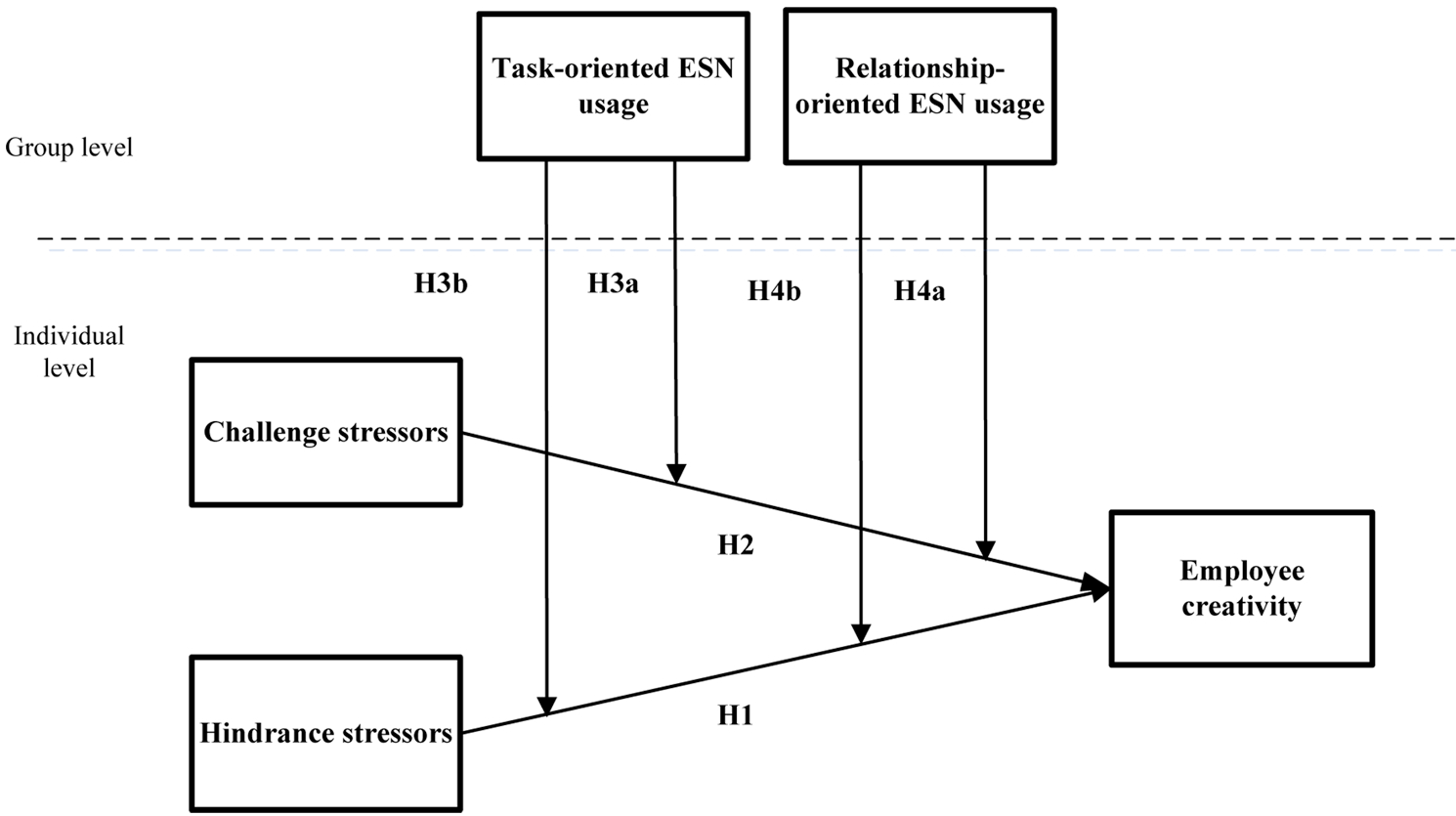 Figure 1: The Research Model showing the multi-level moderating effects.
Key Findings: The Power of Task Focus
The study analyzed 72 groups in China and reached several compelling conclusions:
1. The Success of Task-Oriented ESN
Task-oriented ESN usage was a "universal booster."
- For Challenge Stressors: It amplified the positive effect on creativity. When employees can see the "who, what, and how" through ESN, they feel more in control and are more likely to innovate.
- For Hindrance Stressors: It mitigated the damage. Even when faced with role ambiguity, a transparent task environment helps employees find effective workarounds.
2. The Relationship Trap
Contrary to the hypothesis, relationship-oriented ESN usage actually worsened the negative effects of hindrance stressors on creativity.
- Insight: Socializing on ESN often leads to "non-work-related information checking." For an employee already struggling with hindrance stress, these social features act as an interruption rather than support, draining the cognitive resources needed for creative problem-solving.
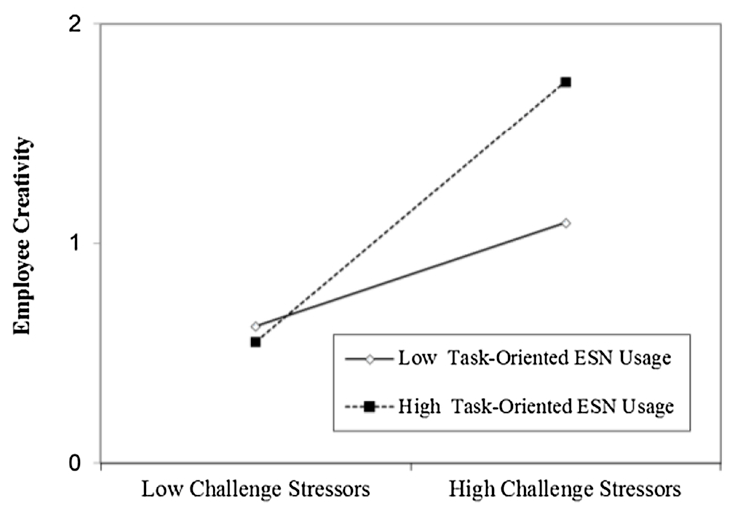 Figure 2: Task-oriented ESN usage weakening the negative impact of hindrance stressors.
Critical Analysis & Conclusion
This paper provides a sophisticated look at the "double-edged sword" of digital workplace tools.
The Takeaway for Managers:
- Encourage Task Visibility: Organizations should promote using ESN for goal setting, monitoring, and problem-solving. This creates a "safety net" of information that fosters creativity.
- Moderate Social Features: While social cohesion is important, managers must be wary of ESN becoming a source of distraction, especially for teams facing high levels of bureaucratic or "bad" stress.
Limitations: The study is cross-sectional and based on Chinese firms (high collectivism), which may influence how "social support" is perceived compared to Western contexts.
Future Outlook: As AI-integrated ESNs begin to automate task summaries and relationship building, the "visibility" aspect will only become more critical. Future research should explore if AI can filter "distractions" while maintaining the "transparency" that this study proves is so vital for creativity.