
Beyond the Screen: How Culture Dictates the DNA of Mobile Interaction
Ethnographic Research of User Behavior of Mobile Devices of China, Korea, India, and The Netherlands
This paper presents a cross-cultural ethnographic study exploring mobile device user behavior across China, Korea, India, and the Netherlands. By conducting field observations and interviews with 48 subjects, the research maps cultural nuances onto established sociological frameworks (Hofstede, Hall, Trompenaars) to identify 10 major behavioral differences in media consumption and social interaction.
TL;DR
This research moves the conversation of mobile design from "usability" to "cultural experience." By studying users in Korea, China, India, and the Netherlands, the authors demonstrate that a mobile phone is never just a tool—it is a cultural artifact that functions as a status symbol in Beijing, a community-building engine in Seoul, and a private utility in Amsterdam.
The "Mental Model" Trap
Why do some users find a feature-rich interface "sophisticated" while others find it "cluttered"? The answer lies in the Mental Model. As the researchers point out, our mental models are not innate; they are synthesized from a lifetime of cultural education and social interaction. Prevailing HCI design often assumes a "universal user," but this study proves that ignoring cultural variance leads to products that might be usable, yet fundamentally unsatisfying.
Methodology: Ethnography in Action
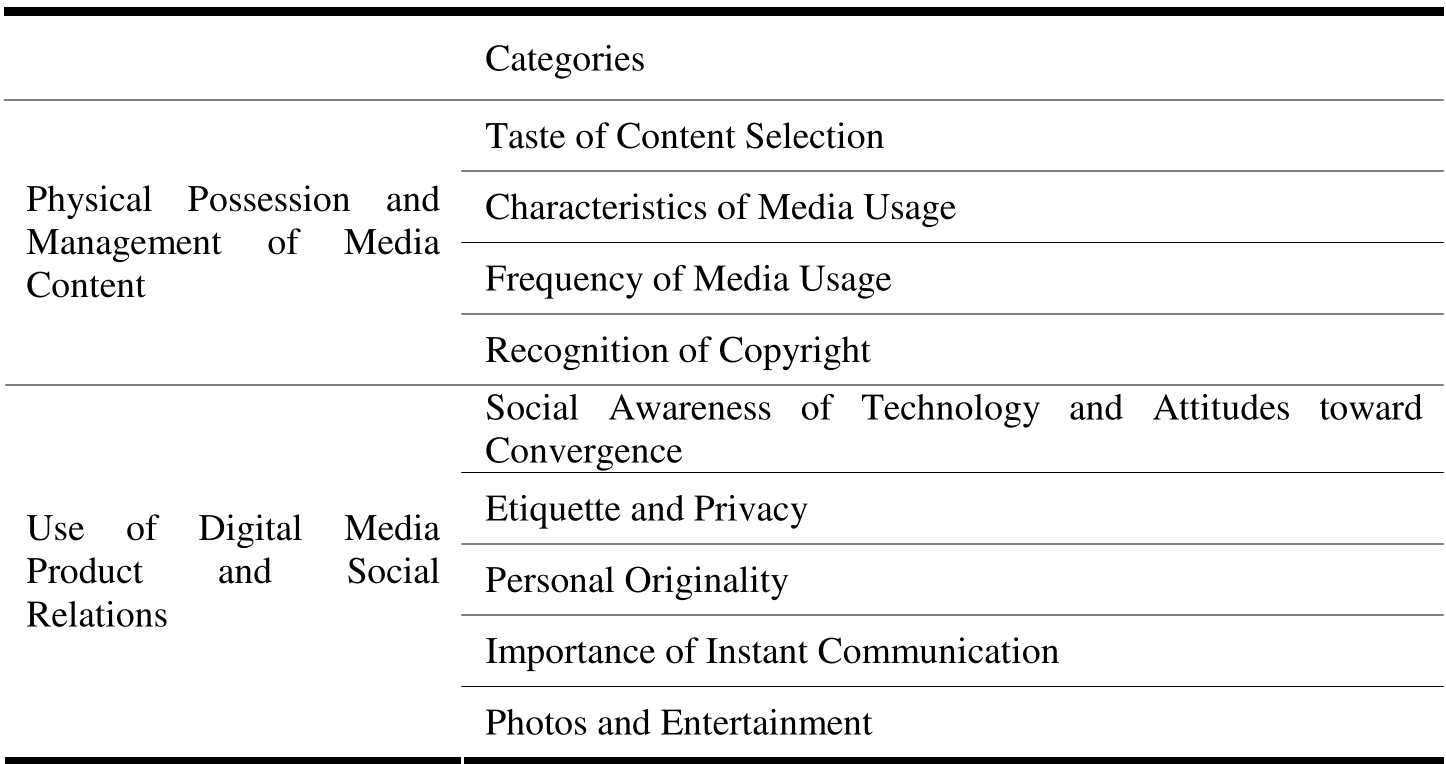
The researchers didn't just send out surveys; they went into the field. By observing 12 subjects in each of the four target countries, they analyzed four pillars of media behavior:
- Gaining: How content is acquired (P2P vs. Purchasing).
- Managing: How files are organized.
- Sharing: The social bridge of media.
- Enjoying: Personal vs. communal consumption.
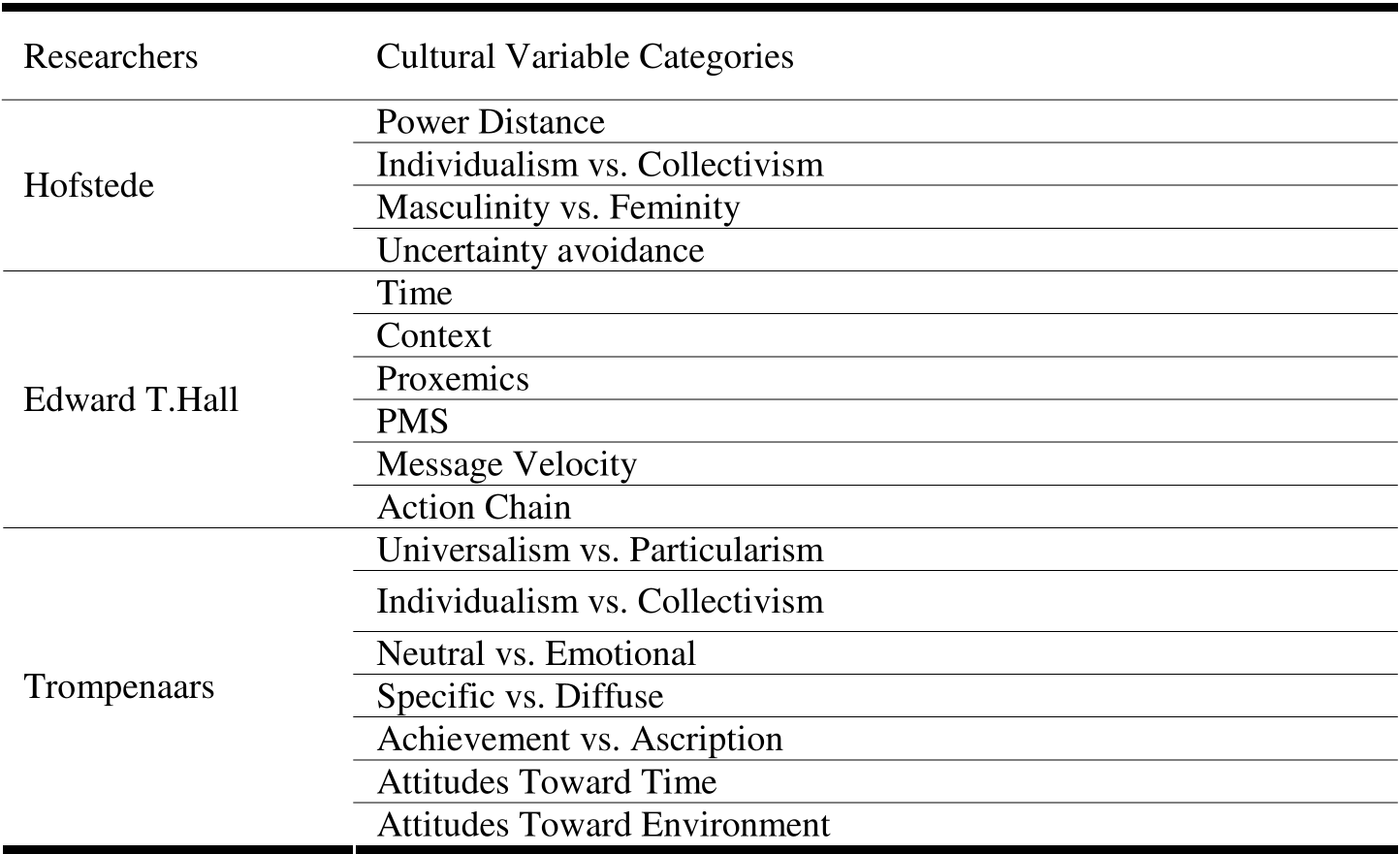
Key Insights: Decoding the Cultural Dimensions
1. Individualism vs. Collectivism
The most striking divide was found between the East and West. In Korea, China, and India, sharing media is a tool for "social grooming"—it strengthens community ties. Conversely, Dutch users maintain a strict boundary between the individual and the group, using mobile devices for personal satisfaction rather than social obligation.
2. The Multi-Functionality Paradox
The study found a fascinating trend in China: users preferred devices with "as many features as possible," even if they never intended to use them. In this context, the device serves an Ascription function—it represents the user’s identity and status. In contrast, the Dutch showed a "Uncertainty Avoidance" toward unnecessary complexity, preferring efficiency and directness.
3. Time Orientation: Polychronic vs. Monochronic
While previous literature (Hall) suggested specific time orientations for certain cultures, this study found that technology is pushing Korea, China, and India toward extreme Polychronic behavior—high levels of multi-tasking and fluid social/work boundaries facilitated by mobile devices.
Market-Specific Value Propositions
The study concludes with actionable archetypes for global designers:
- China: Focus on unique identity and feature-rich "convergence" devices.
- Korea: Focus on "experience-sharing" tools that allow for creative retouching and easy distribution.
- India: Focus on affordability and "group-sharing" solutions (e.g., multi-user profiles on a single device).
- Netherlands: Focus on sustainability, privacy, and socio-cultural etiquette.
Critical Analysis & Future Outlook
While the sample size (48 subjects) is small for a quantitative study, its qualitative depth provides a rare "why" behind global usage statistics. The most significant takeaway is that technology development does not erase culture; it amplifies it. As AI and more complex interfaces emerge, the need for "Culturally Literate Design" will only become more critical.
The study’s limitation lies in the rapid evolution of mobile infrastructure since its publication, yet the underlying cultural drivers—the "invisible software in the mind"—remain remarkably persistent.