
Beyond the "Free Lunch": Why Real-World Energy Content Threatens V2G Economics
An Evaluation of State-of-Charge Limitations and Actuation Signal Energy Content on Plug-in Hybrid Electric Vehicle, Vehicle-to-Grid Reliability, and Economics
This paper presents a high-fidelity evaluation of Vehicle-to-Grid (V2G) reliability and economics for Plug-in Hybrid Electric Vehicles (PHEVs). It utilizes a non-linear dynamic simulation incorporating stochastic travel models (NHTS data) and time-series Automatic Generation Control (AGC) signals to challenge the assumption that V2G is "energy-neutral."
TL;DR
For years, the academic consensus suggested that Vehicle-to-Grid (V2G) ancillary services were a win-win: the grid gets stability, and EV owners get easy money. This paper pulls back the curtain, proving that when you account for actual battery SOC limits and real-world grid signal energy, the economics of V2G for PHEVs become precarious, potentially erasing 20% of expected profits through lost electric driving range.
Context: The Dangerous Assumption of "Net-Zero Energy"
Most prior V2G feasibility studies operate on a convenient fiction: the Automatic Generation Control (AGC) signal is a high-frequency "jitter" that averages out to zero energy. In this idealized world, the battery never hits 0% or 100%.
However, the authors of this study point out that real Balancing Authorities (BAs) often issue signals with massive energy excursions. If the grid asks for "up-regulation" (discharging) for too long, the fleet's batteries hit their floor, the service fails, and the vehicle is left with an empty battery when the owner needs to commute.
Methodology: High-Fidelity Stochastic Simulation
The researchers built a robust simulation framework combining:
- Driver Behavior: Using 2009 NHTS data to create 82,664 unique daily travel profiles.
- The V2G State Machine: A Simulink model that dictates whether a vehicle charges, discharges for the grid, or sustains its SOC for driving.
- Signal Modeling: Comparing synthetic Markov signals (controlled energy) vs. historical WAPA ACE signals (raw, high energy).
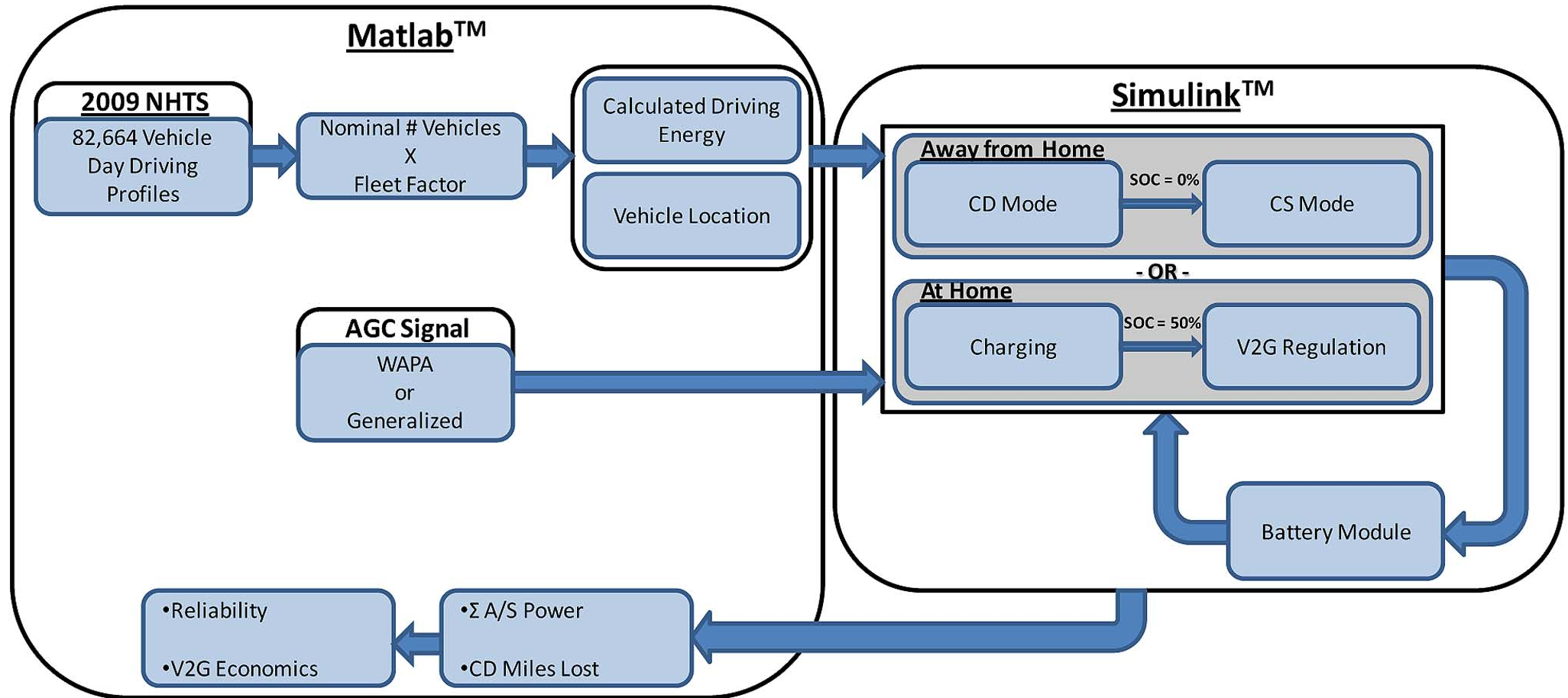 Fig 1. The simulation architecture integrating driver behavior data with real-time grid signals.
Key Insight 1: The Reliability Gap
Reliability in this study is defined by the ability of an aggregated fleet to meet 100% of the contracted power during 10-minute windows.
- The Findings: To meet the gas-turbine standard (98.89% reliability), a fleet must be 3.25x larger than the contracted capacity.
- The Catch: Reliability collapses as the "call rate" (how often the grid uses the vehicle) increases, especially if the charging power is low (e.g., 5kW).
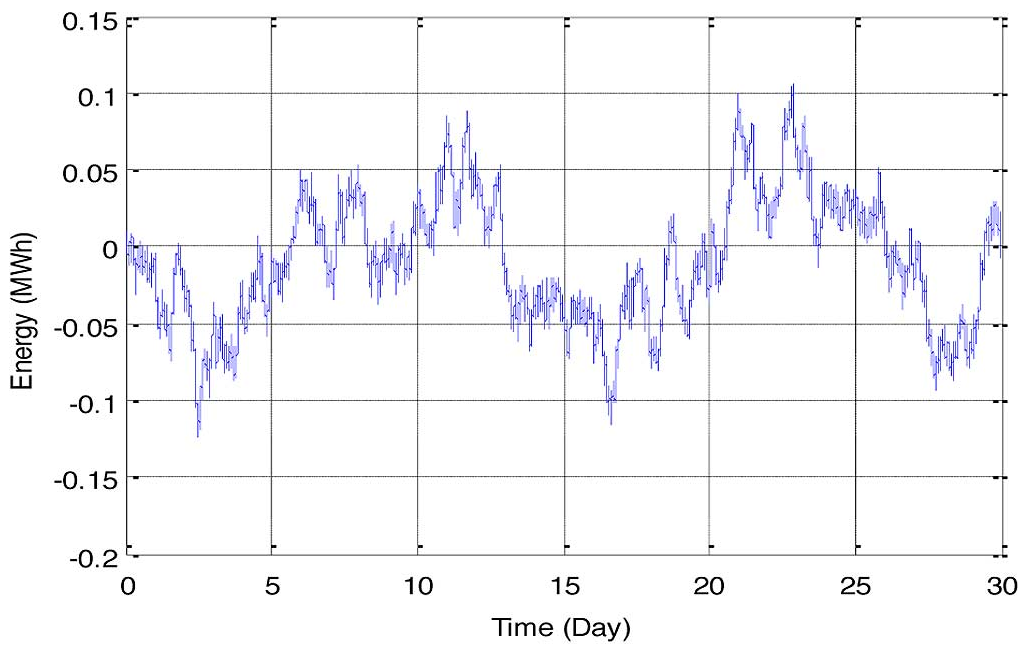 Fig 3. Reliability decreases sharply as call rates increase, necessitating higher fleet scaling factors.
Key Insight 2: The Hidden Cost—Lost "Electric Miles"
This is perhaps the paper’s most critical contribution. When a vehicle performs V2G, it often fails to reach a full 100% SOC before the owner’s next trip.
- Result: The PHEV switches to its gasoline engine sooner.
- The Bill: This "lost charge-depleting (CD) range" costs the owner roughly $130 USD per year in increased fuel costs.
- The Impact: For a vehicle with a 2.5kW charger, this cost effectively makes V2G a net-loss operation over 10 years.
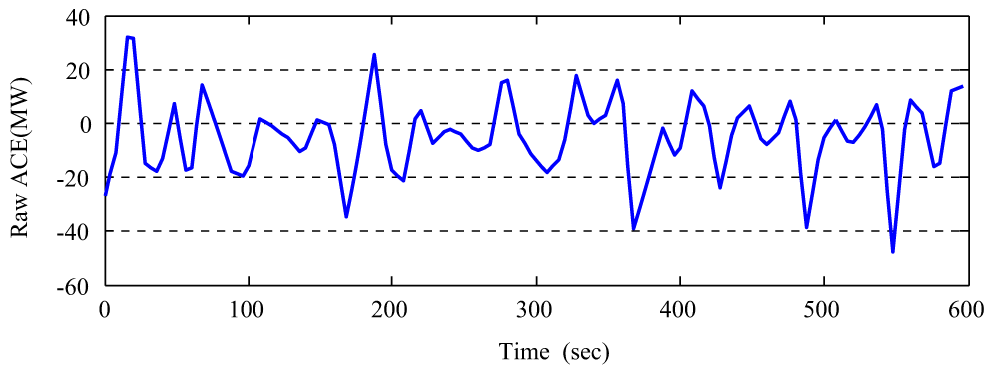 Fig 6. Comparison of 10-year V2G revenues. Note how accounting for SOC (this study) slashes profits compared to previous "SOC-blind" estimates.
Critical Analysis & Conclusion
This paper serves as a grounded reality check for the V2G industry. It identifies five non-negotiable requirements for future implementation:
- Aggregators are mandatory: Individual vehicles cannot meet reliability standards.
- Signal Engineering: Grid operators must create "low energy" AGC signals specifically for storage assets.
- High Power Requirement: 10kW home charging is the "floor" for economic viability.
- Performance Compensation: Owners must be paid not just for power, but for the fuel they had to buy because their battery was busy helping the grid.
The Takeaway: V2G is technically feasible but economically fragile. If we don't account for the energy content of grid signals, we risk building systems that either fail the grid or bankrupt the vehicle owner.
Limitations
The study assumes 100% efficiency for chargers and batteries. In reality, round-trip efficiency losses (usually 10-20%) would further degrade the SOC and likely worsen the economic outlook. Furthermore, it does not explicitly model battery cycle-life degradation, which is another significant hidden cost of V2G.