
Exhibiting Emotion: Why Your Personal Story is the Key to Museum HCI
Exhibiting Emotion: Capturing Visitors’ Emotional Responses to Museum Artefacts
This study investigates how museum visitors emotionally engage with cultural artefacts to inform the design of future HCI systems. Using structured interviews and thematic analysis at the Powell-Cotton Museum, the researchers identify five key dimensions—Attitude towards the Past, Learning Opportunity, Linking Past/Present, New Experience, and Personal History—that drive meaning-making.
TL;DR
Museums are more than repositories of the past; they are emotional landscapes. This paper explores how visitors at the Powell-Cotton Museum connect with artefacts. By analyzing structured interviews, the researchers discovered that emotional responses are deeply tied to Personal History and Ethical Judgments, suggesting that future mobile guides should focus on "meaning-making" rather than just providing facts.
Background: Beyond the Fact Sheet
Traditionally, museum technology focuses on "What is this?" (Learning). However, this research shifts the focus to "How does this make me feel?" The authors argue that integrating emotion into the visitor experience isn't just a "nice-to-have"—it's a valid form of learning that drives repeat visits and deeper engagement.
The Problem: The "Like Button" Limitation
Existing HCI (Human-Computer Interaction) tools in heritage sites, such as the PEACH project or MobiTags, often limit visitor feedback to simple sliders (Happy vs. Sad) or generic tags. These systems fail to capture the nuance of a visitor’s background. Why does a specific hunter’s trophy evoke anger in one person and scientific curiosity in another? Current tech doesn't ask, and therefore, it doesn't understand.
Methodology: Capturing the "Why"
The researchers conducted a study with 20 participants, providing them with an Emotional Response Log based on Ekman’s six basic emotions (Anger, Disgust, Fear, Happiness, Sadness, Surprise).
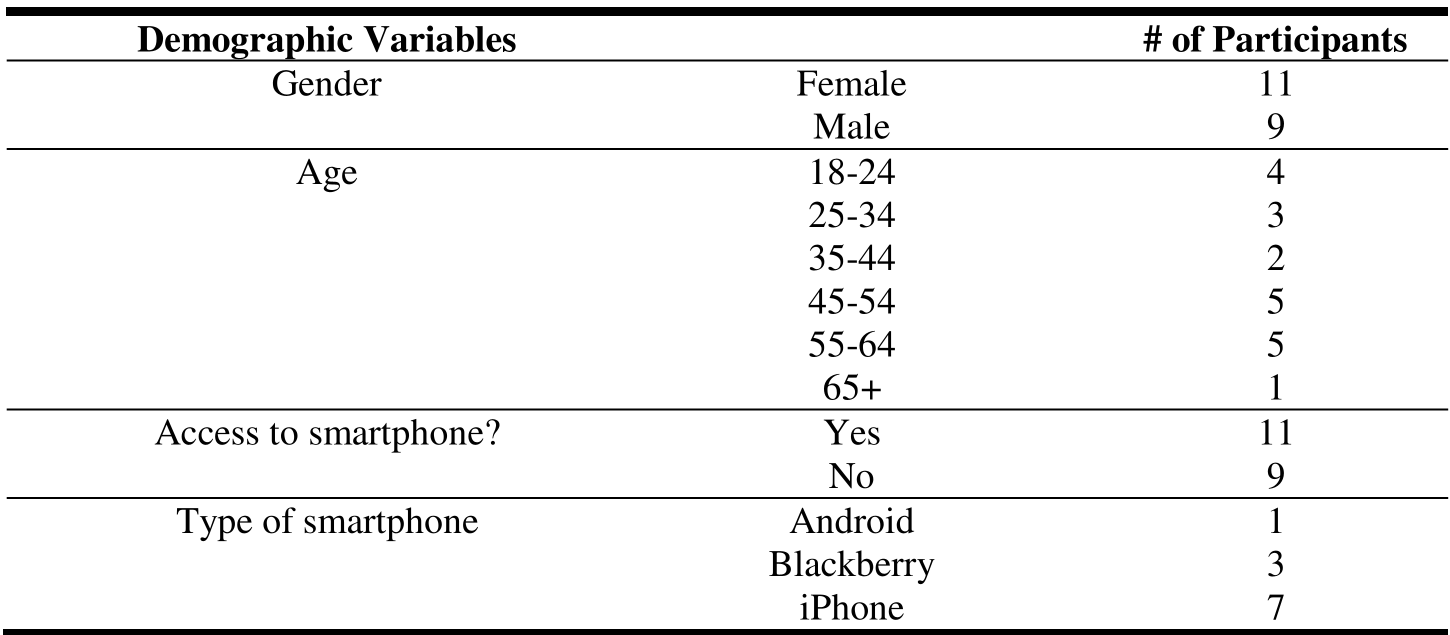
Following their tour, visitors participated in one-on-one interviews to explain their choices. These sessions were transcribed and analyzed using thematic coding to find recurring patterns of connection.
Core Methodology: The Five Themes of Connection
The study identified five high-level themes that describe how we connect with objects:
- Attitude Towards the Past: Divided into Ethics (e.g., blaming past hunters for animal extinction) and Ingenuity (appreciation of craftsmanship).
- Learning Opportunity: When an object prompts a visitor to ask "How was this made?"
- Linking Past with Present: Seeing a 1900s meat-tenderizer and thinking of one's own kitchen.
- New Experience: The "wow" factor of seeing something unexpected or rare.
- Personal History: Ties to one's childhood, previous jobs, or family identity.
Key Results: It's All Personal
- The Power of Identity: "Personal History" was the only theme mentioned by every single participant. Whether it was a retired factory worker empathizing with a weaver’s tool or a person remembering a TV show, identity was the primary lens of interpretation.
- The Complexity of Ethics: 85% of participants engaged in "Ethics" talk, particularly regarding the museum’s ethnographic and zoological collections. This "conflict" actually created a higher level of engagement than purely positive responses.
- Indifference is an Opportunity: 20% of items were marked as "indifferent," often because they were "more of the same." This highlights a need for HCI systems to disrupt monotony with personalized content.
Critical Insight & Future Outlook
The value of this paper lies in its movement away from passive consumption toward active reflection.
Comparison with SOTA
Unlike previous systems like ArtLinks (which found that texting opinions made reactions less emotional), this study suggests that provided logs and structured reflection actually enhanced the visit.
Limitations & Next Steps
The sample size (20 participants) is small and limited to one specific museum type (ethnographic/zoological). However, the "takeaway" is clear: the next generation of museum apps should not be digital encyclopedias. They should be storytelling platforms that allow visitors to:
- Log complex, conflicting emotions.
- Visualize how their feelings compare to other visitors.
- Record personal anecdotes triggered by the items.
Conclusion
This research provides the blueprint for "Emotional HCI." By understanding that visitors are motivated by a desire to find themselves in the artefacts they view, designers can create mobile experiences that are not just informative, but deeply transformative.