
From Broadcasting to Collaboration: The Digital Evolution of Spanish Public Administrations
Experiences using social networks in Spanish public administrations
This paper explores the early adoption of Social Media (Web 2.0) by Spanish public administrations to evolve public marketing and service delivery. It highlights the shift from unidirectional communication to collaborative institutional engagement through tools like blogs, Twitter (now X), and YouTube to foster more inclusive citizen relationships.
TL;DR
In the early 2010s, the Spanish public sector faced a critical turning point: the transition from traditional, one-way "Institutional Advertising" to the participatory world of Web 2.0. This paper analyzes how Spanish authorities leveraged blogs, Twitter, and YouTube to redefine public marketing. While early efforts successfully increased visibility and utility, the true challenge remained shifting the organizational mindset from "announcer" to "collaborator."
Background Positioning
Published in 2011, this work serves as an essential historical blueprint for "Government 2.0." It documents the moment public administrations realized that the Internet was no longer just a digital bulletin board, but a social manifold where citizens expect interaction and transparency.
1. The Core Problem: The Decay of Unidirectional Governance
Historically, government communication was a top-down affair. Public marketing was defined as simply identifying audience needs and pushing information out.
The authors argue that this unidirectional nature (one-way flow) created a disconnect between policy-makers and the actual benefactors of those policies. With the expansion of the welfare state, the "marketing of services" became indispensable, yet the tools being used (static websites and traditional media) were failing to capture the dynamic feedback required for effective governance.
2. Methodology: Decoding the Four Pillars of Social Engagement
The researchers dissect the Spanish digital landscape by looking at four specific modalities of social network usage:
A. The Institutional Blog (SEMTIT)
The State Enterprise for Management of Tourism Innovation and Technology (SEMTIT) used blogging to foster a professional community.
- The Insight: Beyond personal diaries, blogs allow for "distributed conversations."
- The Goal: Exchange knowledge to make the Spanish tourism industry more competitive and responsive to societal demands.
B. Microblogging & Twitter (Gijón City Council)
The study looks at Gijón as a pioneer in using Twitter (now X).
- Evolution: It suggests a shift toward instant messaging, providing a direct line to civil servants.
- Architecture Illustration:
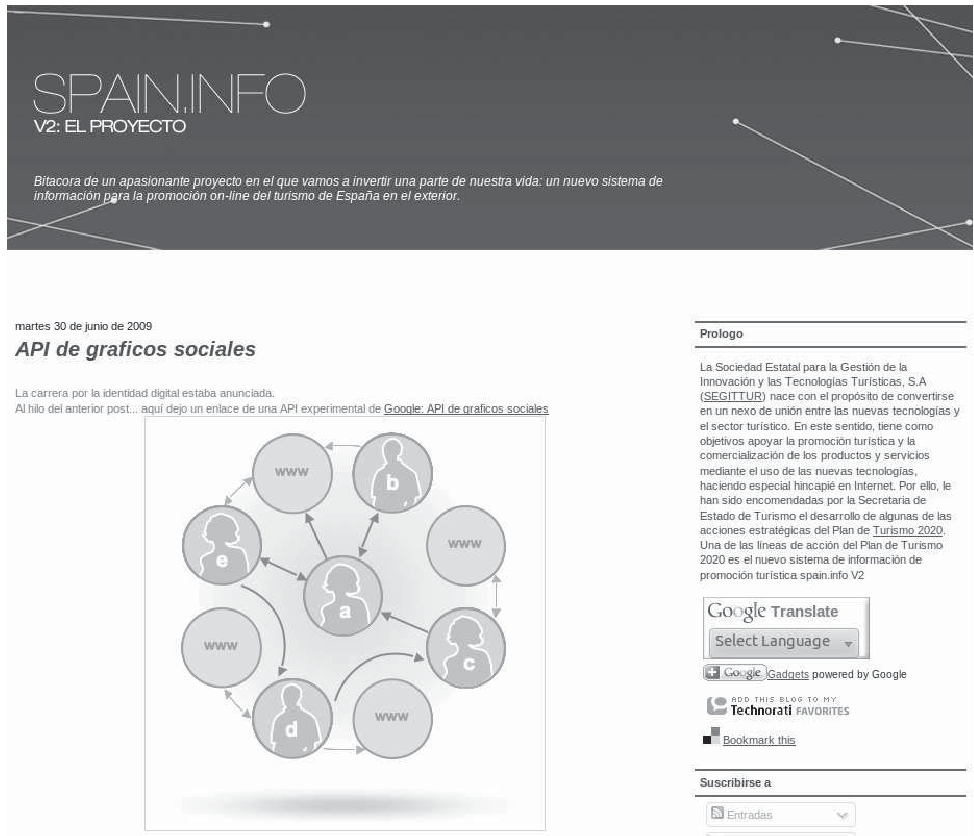 Figure 1: Early implementation of microblogging for local life reporting.
C. Audiovisual Outreach (RTVE on YouTube)
The Spanish Radio and Television Corporation (RTVE) demonstrated the power of "low-cost broadcast."
- Result: Over 1 million reproductions and 11,000+ subscribers by early 2011.
- Significance: It allowed the public sector to tap into global audiences, utilizing the viral nature of video to promote national content.
D. Georeferencing (The Hydrocarbons Geoportal)
Perhaps the most practical application mentioned is the use of GIS (Geographic Information Systems) to help citizens find the cheapest petrol stations.
- The Logic: Using Google Maps APIs to provide real-time, daily updated data.
- Outcome: Promoted competition among private companies while providing high-value utility to the public.
3. Analysis: Is it True Interaction or Just Better PR?
The paper presents a critical discussion: Does the use of social networks represent a fundamental change?
The authors observe a "starting stage" phenomenon. While the tools allow for collaboration, many administrations were still stuck in an informative/one-directional framework. They used Twitter to "report" rather than "listen."
Key Comparisons:
| Metric | Traditional Web (1.0) | Social Web (2.0) |
|---|---|---|
| Role of Citizen | Passive Consumer | Active Producer/Collaborator |
| Communication | Unidirectional | Multidirectional / Networked |
| Cost | High Infrastructure | Low / Cloud-based |
| Success Metric | Hits/Visits | Engagement/Interaction |
4. Deep Insights & Future Outlook
The paper concludes that while Spanish public administrations have successfully integrated the tools of social networks, they have yet to fully realize the philosophy of collaboration.
Takeaways for the Future:
- Citizens as Co-producers: The future of public administration lies in viewing the citizen not as a customer, but as a partner in service design.
- The Need for Long-term Data: The authors caution that since these experiments are in their infancy, more rigorous, longitudinal studies are required to measure the actual "improvement" in citizen satisfaction.
- Limitations: The "uncertain evolution" of digital tools means administrations must remain agile. (Looking back from 2024, the volatile nature of platforms like Twitter/X validates this caution).
Conclusion
This research provides a foundational look at how the public sector attempts to humanize bureaucracy through technology. It reminds us that Social Government is not about the platform you use, but about the willingness to listen and evolve based on collective intelligence.
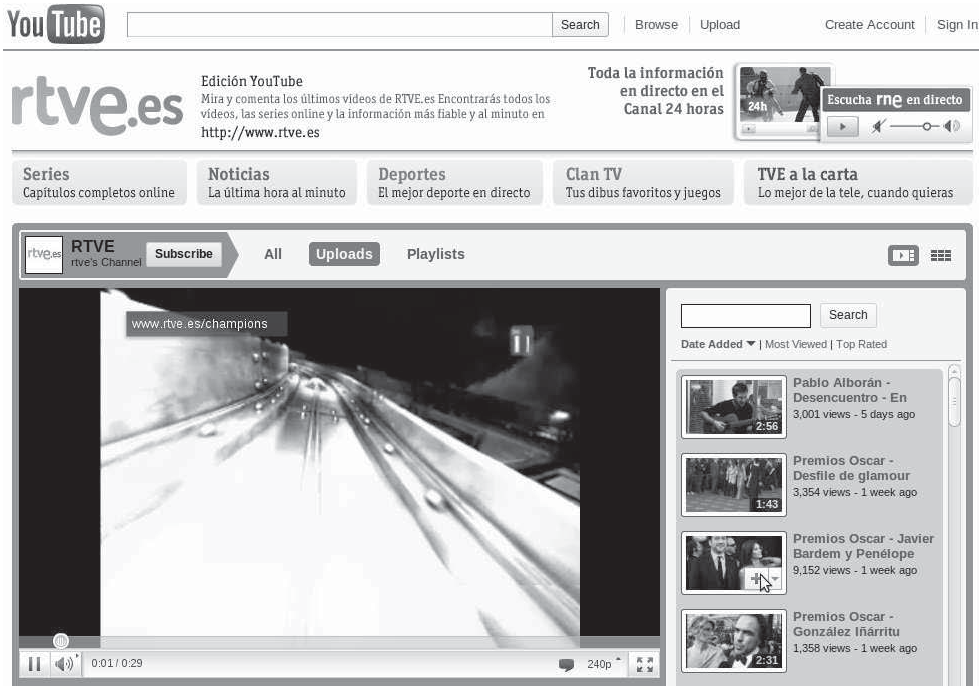 Figure 2: Example of utility-first public service marketing via GIS.