
Beyond Logic: The Hidden Emotional Architecture of ERP Selection
Exploring Emotions during ERP Adoption: A Stakeholder Analysis
This research investigates the emotional landscape during the selection phase of Enterprise Resource Planning (ERP) systems through a stakeholder analysis. Using a case study approach at a university, the paper identifies that ERP selection is a highly emotional process where different stakeholder groups—experts, representatives, and users—experience distinct affective profiles.
TL;DR
ERP selection is often treated as a cold, calculated exercise in feature-matching and ROI analysis. However, this research reveals it to be a high-stakes emotional minefield. By analyzing different stakeholder groups—IT experts, functional representatives, and end-users—the study demonstrates that "Experts" face "gut-wrenching" pressure, while "Users" find empowerment through participation, proving that managing feelings is as critical as managing code.
Background: The Rationality Trap
In the world of Information Systems, we are taught to trust frameworks like Verville's six-stage process or Stefanou’s selection models. These emphasize logic, quantitative weights, and rigorous documentation. Yet, ERP projects continue to fail at alarming rates. The missing variable? Affect. This paper argues that because ERP represents a "large-scale organizational transformation," it is a prime trigger for intense emotional episodes that color every decision made by the selection committee.
The Stakeholder Split: Who Feels What?
The author utilizes the Circumplex Model of Affect, which plots emotions along two axes: Activation (arousal) and Pleasantness.
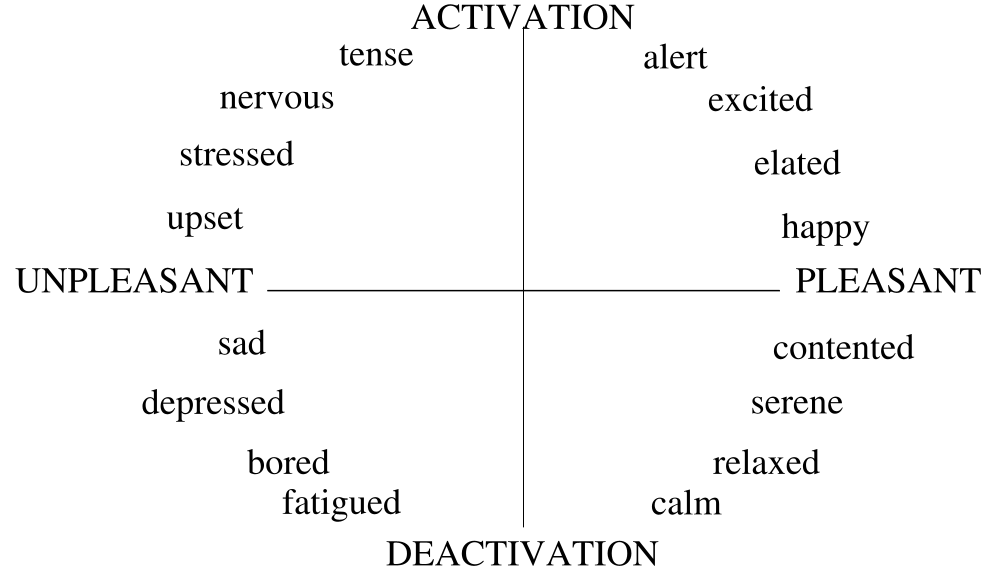
The study’s most striking finding is the variance in emotional "burden" between different roles:
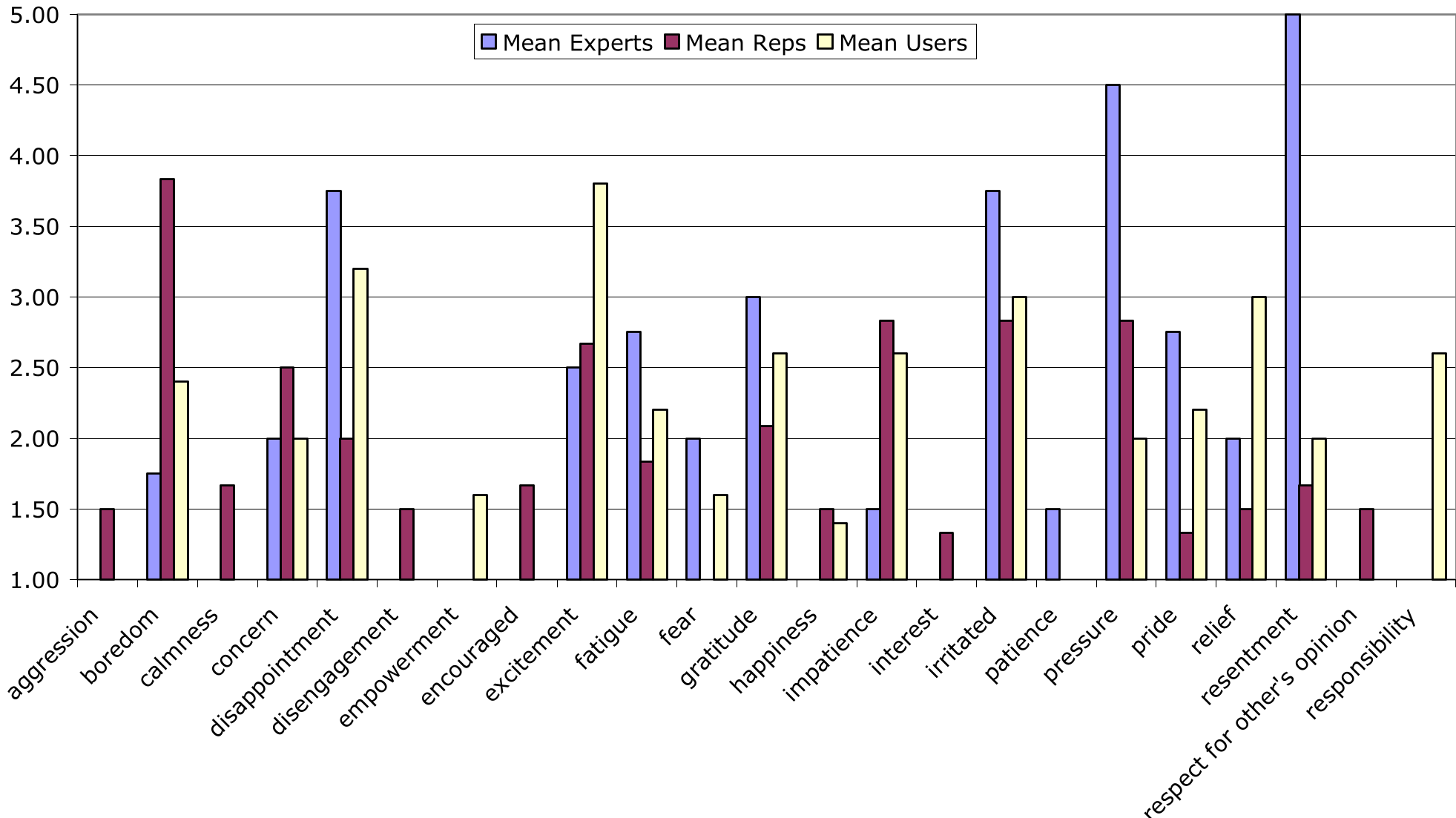
- The Experts (IT Staff): They reported the highest emotional involvement (Mean of 5.00/5.00). They described the vendor relationship as akin to "dating and marriage," and breaking up with a vendor as "gut-wrenching." They faced high levels of Resentment and Irritation, often triggered by vendor "vaporware" claims.
- The Representatives (Department Heads): This group struggled with Boredom and Impatience. For them, the selection process involved endless meetings about technical modules that didn't directly serve their specific functional area.
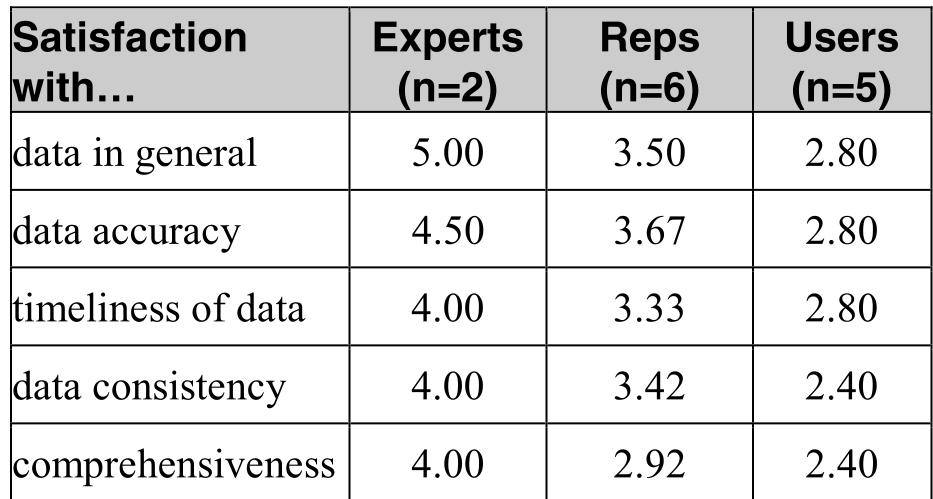
- The Users: Paradoxically, users felt Excitement and Relief. Because they were the ones suffering most from the inaccuracies of the "existing system" (as seen in the table below), the new ERP represented a "new horizon of possibilities."
Methodology: The Power of Appraisal
Why do these groups feel differently when looking at the same software demo? The author points to Appraisal Theory. An event (like a vendor demo) is filtered through an individual's personal goals and past experiences:
- An Expert appraises the demo based on technical risk (leading to Fear/Pressure).
- A User appraises it based on workload reduction (leading to Joy/Empowerment).
The study mapped 23 different emotions, showing that the selection phase is dominated by the Activation end of the spectrum. Whether pleasant or unpleasant, the process is exhausting.
Critical Insight: Participation as an Emotional Buffer
Despite the friction and "pockets of fatigue," the case university reported extremely high satisfaction with the final vendor choice (4.50/5.00). The reason? Extreme inclusivity. By allowing users to participate in demos and vote, the organization converted potential "fear of change" into a sense of "empowerment" and "responsibility."
Deep Insight & Conclusion
Takeaway
For CIOs and Project Managers, the lesson is clear: Staffing a cross-functional team is not just about skill sets; it’s about managing emotional labor.
- Experts need support to handle the "dirty work" of vendor negotiations and the resulting stress.
- Representatives need targeted meetings to avoid "boredom-induced disengagement."
- Users need to be brought in early to turn their dissatisfaction with current tools into momentum for the new system.
Limitations
The study is limited by its small sample size (n=13) and its reliance on self-reporting after the fact. However, as an exploratory piece, it successfully shatters the myth of the "Rational IS Professional."
Future Outlook
As we move toward AI-driven ERP systems, the "Fear" component (Query 3) regarding job displacement is likely to rise. Future research must investigate how these emotional triggers evolve when the transformation is not just about a new interface, but about automated decision-making.