
Windows Live in the Classroom: Leveraging Social Networks for Collaborative Learning
Exploring Learning Effectiveness through Windows Live Social Network for Elementary School
This study investigates the integration of the Windows Live social network as a supplementary platform for IT instruction in elementary schools. Using a quasi-experimental design, it compares "community learning" via Windows Live against traditional teaching methods, finding that social networking significantly enhances student learning achievements and engagement.
TL;DR
This research demonstrates that integrating a social networking platform (specifically Windows Live) into elementary school IT courses significantly outperforms traditional teaching methods. By fostering a collaborative environment where students can share, critique, and interact with each other's work, educators can boost learning motivation and achievement without compromising student privacy.
Context: The Digital Shift in Taiwan's Education
As education technology evolves, Taiwan has moved toward "Innovative Digital Learning." However, a recurring hurdle is the burden on teachers to create complex online materials. This paper explores a middle ground: using existing, secure social networking infrastructure (Windows Live) to facilitate a "mobile classroom" where learning happens both inside and outside the school walls.
The Problem: The Privacy Trap and Instructional Rigidity
Existing research identifies a major conflict in digital pedagogy. On one hand, social networks like Facebook are highly engaging; on the other, they are "privacy traps" where news feeds track behaviors without user awareness. For elementary students, this creates a significant risk.
Furthermore, without a social component, traditional IT instruction remains a "one-way street" where the teacher explains and students execute in isolation, missing the opportunity for peer-to-peer inspiration and "joint creation."
Methodology: Building a Virtual Learning Community
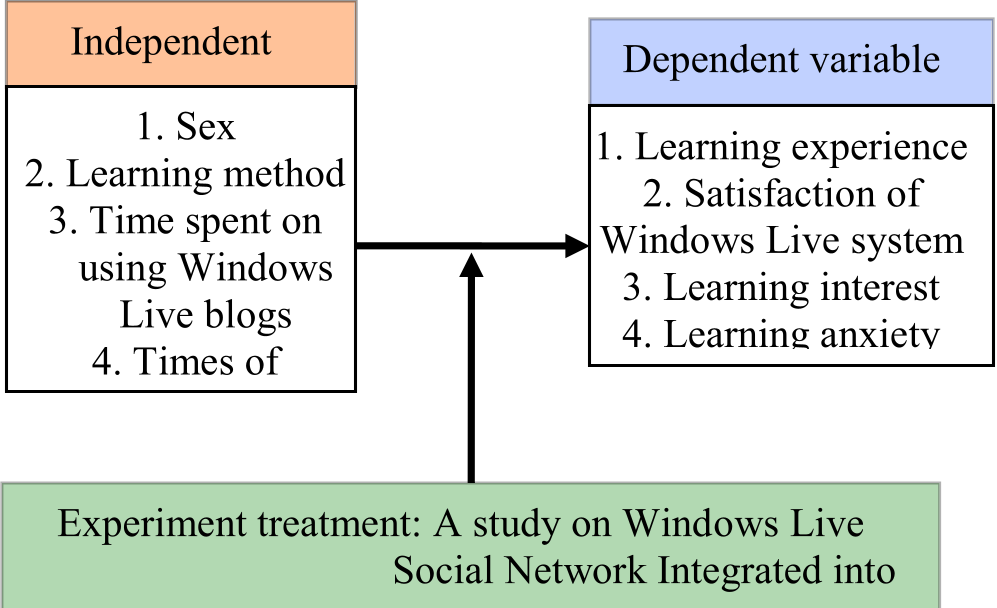
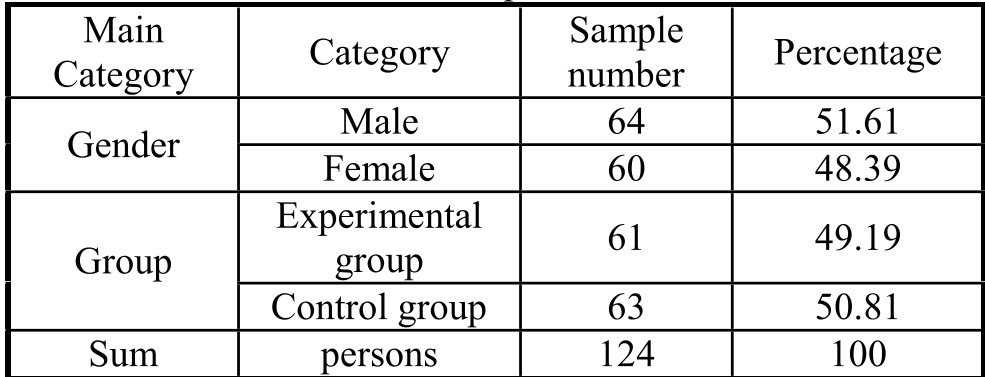
The study utilized a quasi-experimental design with four 6th-grade classes.
- Experimental Group: Used Windows Live accounts to "friend" the teacher and each other, forming a closed social circle. They posted work to blogs and used Messenger for discussion.
- Control Group: Followed traditional instructions where the teacher demonstrated software operations, and students worked independently.
The "Secret Sauce" of the experimental group was the Observation-Response Cycle. Rather than just listening to a lecture, students viewed their peers' digital work on the Windows Live blog, allowing low-achieving students to learn from their classmates’ creative ideas—a process the author notes can be more effective than teacher-led instruction alone.
Key Results & Evidence
The findings were conclusive across several metrics:
- Instructional Efficacy: The Windows Live group performed significantly better on IT course assessments.
- The "Engagement Index": There was a direct positive correlation between the number of times a student responded to articles and their final achievement.
- Gender Neutrality: Both male and female students benefited equally from the social-integrated approach, suggesting no "digital divide" in how different genders interact with social learning platforms at this age.
Deep Insight: Beyond "Learning Outcomes"
The paper goes beyond test scores to look at the affective domain. It found that while students were highly satisfied and felt "low anxiety" using social tools, they did harbor a specific fear: Evaluation Anxiety. Students worried about peers giving "bad evaluations" on their work.
This suggests that while social networks improve learning, teachers must play a crucial role as moderators to ensure the "Information Ethics" component of the course prevents cyberbullying or negative social pressure.
Conclusion & Future Outlook
The study proves that the "Collaborative Teaching Platform" model is effective. By utilizing cloud computing concepts and free social tools, schools can lift the restrictions of traditional software.
Moving Forward: While Windows Live has since been superseded by platforms like Microsoft 365, the core insight remains: Interaction is the driver of information literacy. The future of education lies not just in the "Digitization" of content, but in the "Socialization" of the learning process.