
Digital Monologue: The State of Social Media in Saudi E-Government
Exploring social media usage in Saudi e-government websites
This paper explores the integration of social media into 170 Saudi Arabian e-government websites, focusing on platforms like Facebook, Twitter, and YouTube. Utilizing a quantitative content analysis approach, the study identifies that while adoption is growing, most agencies use these platforms as one-way broadcasting tools rather than for interactive citizen engagement.
TL;DR
At a pivotal moment in the early 2010s, Saudi government agencies began flocking to Facebook and Twitter. This study analyzes 170 official websites to reveal a stark reality: while the digital "doors" are open, the conversation is largely one-sided. Despite high adoption rates in academic and municipal sectors, the "social" element of social media remains underutilized.
Background & Motivation
With over 50% of top-visited websites globally being social platforms, Saudi Arabia—with its young, tech-savvy population—presented a unique landscape for e-governance. The authors set out to determine if the Saudi government was merely "existing" on these platforms or actually "engaging." The core motivation was to move beyond the technical presence and evaluate the quality of e-participation.
Methodology: Mapping the Digital Landscape
The researchers didn't just look for icons; they audited the actual behavior of 170 agencies. By categorizing entities into 14 types (from Ministries to Diwans), they tracked metrics like update frequency, "likes," and whether comments were even permitted.
Core Architecture of the Study
The study analyzed the prevalence of specific platforms and the depth of their usage:
- Tier 1: Presence (Yes/No)
- Tier 2: Quantitative metrics (Followers/Tweets)
- Tier 3: Qualitative usage patterns (News vs. Q&A)
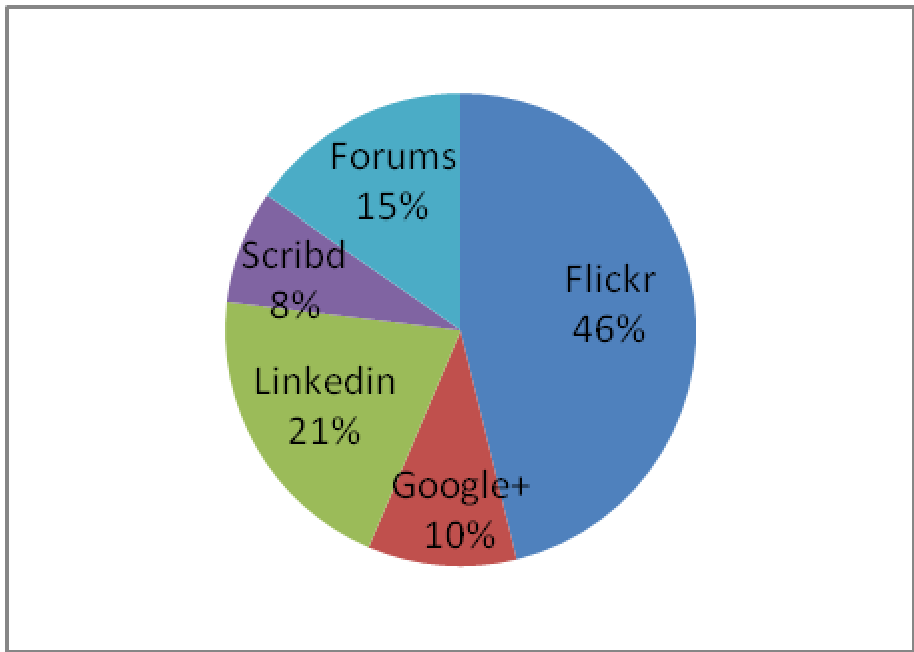 Figure 1: Percentage of Social Media usage across analyzed agencies.
Key Findings: The University Lead & The Interaction Gap
The data suggests a top-heavy adoption model. Universities are the champions of social media, with an 80% presence on Facebook and 72% on Twitter. This is a logical Inductive Bias given their audience—students.
However, the "Usage Patterns" reveal a bottleneck. Most agencies use these platforms as a digital noticeboard.
- Twitter: 77% were up-to-date, but only 22% showed actual interactivity (Q&A/Replies).
- Facebook: Used extensively for announcements, yet interaction was described as "poor" due to the lack of discussion.
- YouTube: Increasing usage for "How-to" videos and events, but still in the early stages of maturity.
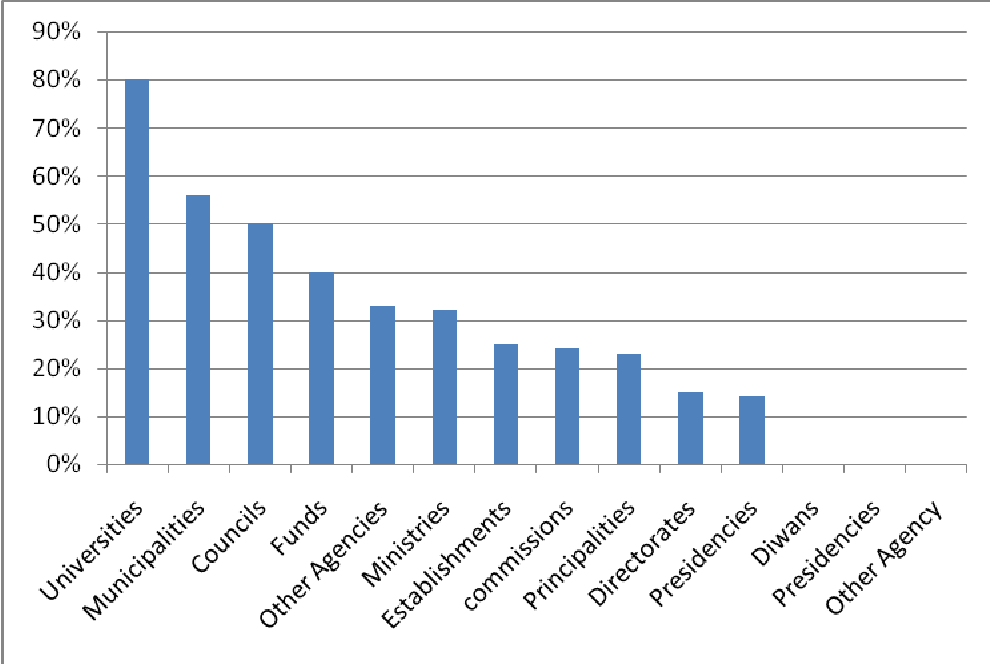 Figure 2: Breakdown of Facebook usage by government category.
Critical Insight: The One-Way Problem
The paper effectively argues that "Presence Participation." The authors identify that without a Social Media Strategy, agencies often replicate the same content across all channels, ignoring the unique affordances of each platform. The "Inform-Consult-Empower" framework remains a distant goal because agencies lack the human resources and policy frameworks to handle public discourse.
Future Outlook and Recommendations
The study concludes with a roadmap for digital maturity:
- Verification: Legitimizing accounts to build citizen trust.
- Resource Allocation: Assigning dedicated moderators to move away from "ghost" accounts.
- Strategy Differentiation: Understanding that what works on Twitter (fast news) might not be the goal for Facebook (community discussion).
Conclusion
While this research serves as a snapshot of 2012, its findings on the "One-Way Communication Trap" remain highly relevant for modern organizations. The transition from e-Government (service delivery) to Social-Government (collaborative creation) requires more than just a Twitter handle; it requires a cultural shift in how bureaucracy views the citizen's voice.