
Unified Forensic Analysis: Breaking the Silos of Social Media Discovery
An Extensible Platform for the Forensic Analysis of Social Media Data
The paper introduces an extensible, cloud-based platform for the forensic analysis of social media data. It features a modular architecture that unifies heterogeneous communication logs (e.g., Facebook, Twitter, WhatsApp) into a standardized XML format to facilitate interactive, multi-perspective visual data mining.
TL;DR
Digital investigators are drowning in fragmented social media data. This paper proposes a cloud-based architecture that unifies data from various apps into a single platform, allowing investigators to "shuttle" subsets of data between different visualization tools seamlessly while automatically recording their analytical "thought trail."
Background: The "Stove-pipe" Problem in Forensics
In a modern investigation, a single conversation might jump from WhatsApp to Twitter Direct Messages and back to Facebook Messenger. Traditional forensic tools—while excellent at extraction—often treat these as isolated silos. If an investigator sees a suspicious spike in activity on a timeline, they usually have to manually export that subset, reformat it, and load it into another tool to see a network graph. This "stove-piped" workflow breaks the investigator's focus and makes discovering complex relationships a grueling task.
The Core Insight: Interactive Abstraction
The authors argue that the value of forensic visualization isn't just in the picture it prints for a jury, but in the process of discovery. They solved the fragmentation problem by introducing two key architectural layers:
- Data Abstraction: Instead of dealing with idiosyncratic SQLite schemas from every different app version, they use a cloud-based Cassandra store and a middleware that converts everything into a unified XML format.
- Tool Handshaking (CDOC/IDOC): They created a protocol where tools talk to each other. A "Timeline" tool can tell the system, "I have a subset of data," and the system automatically suggests other tools (like Scattergraphs or Map views) that are compatible with that specific data type.
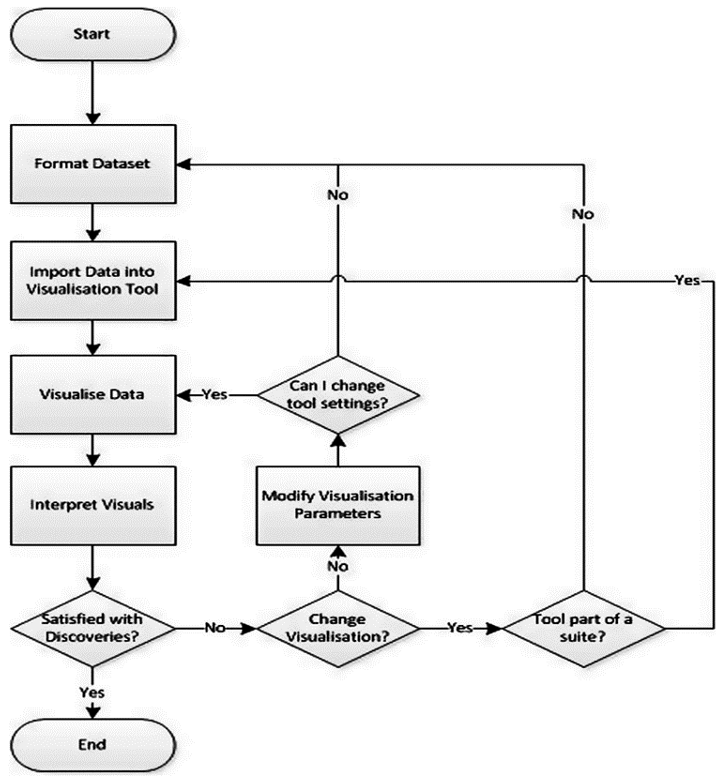 Fig 1: The "Rapid Visual Investigation" workflow moving from Timeline to Scattergraph to InfoList.
Architecture & Methodology
The platform's extensibility comes from its reliance on XML-based descriptors:
- CDOC (Configuration Document): Defines what kind of data a tool can ingest.
- IDOC (Information Document): Serves as the "suitcase" that carries data markers between tools.
- History Manager: This is arguably the most "forensic" feature. It logs every IDOC exchange, creating a "breadcrumb trail" of the investigator's logic. If a lawyer asks, "How did you find this specific message?", the investigator can literally replay the visual steps taken to narrow down the dataset.
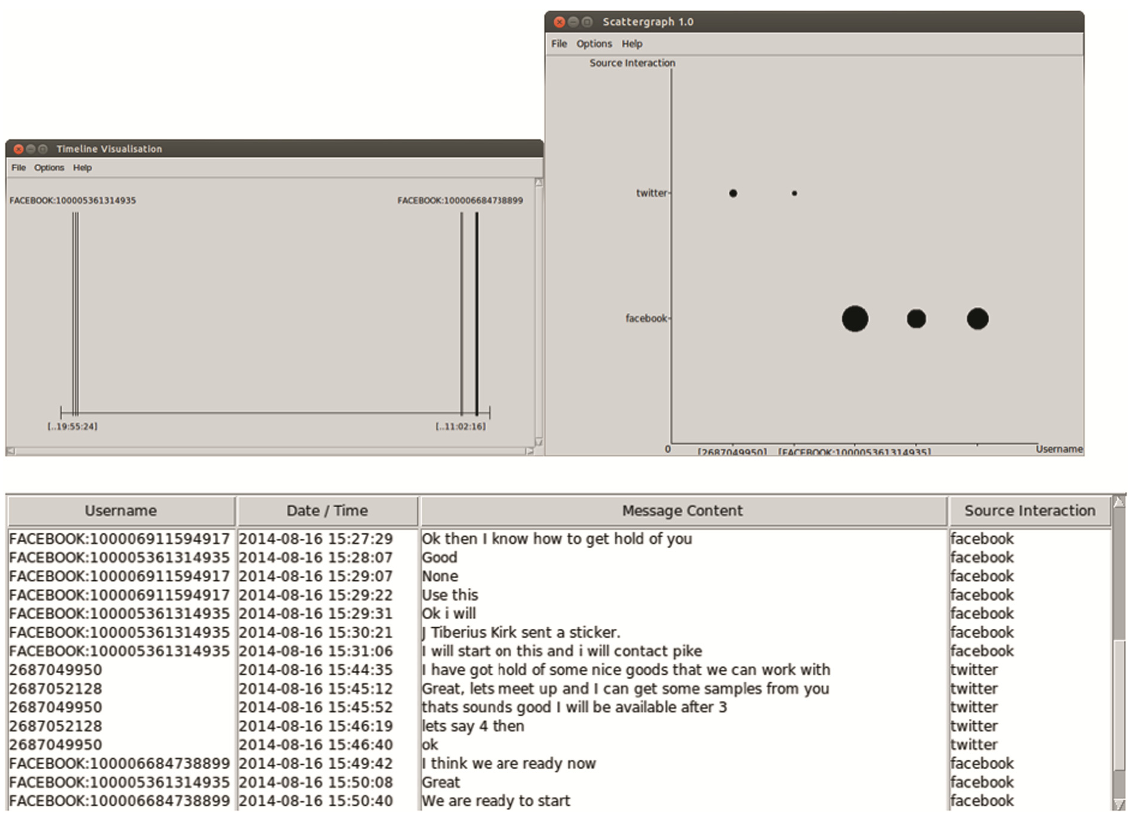 Fig 2: The conceptual flow of recording the investigator's thought process.
Case Study: Catching a Social Media Criminal
The authors tested the system on a simulated case of illegal software sales. The criminal used multiple platforms and devices.
- Step 1: The investigator ingested SQLite databases from two mobile devices.
- Step 2: Using the Timeline Tool, they identified a period of high message volume.
- Step 3: They seamlessly "sent" that time-slice to a Scattergraph, which mapped usernames against communication formats (Facebook vs. Twitter).
- Step 4: A final pivot to the InfoList allowed them to see the actual content of the messages across both platforms in a unified chronological view.
Critical Analysis & Conclusion
Takeaway
The real triumph of this work is the extensibility. By decoupling the data storage from the visualization, the platform doesn't need to be rebuilt every time Facebook updates its app. New visualization modules can be plugged in as long as they adhere to the XML API.
Limitations
While the platform is powerful, it still relies on "Parsers" to convert SQLite to XML. As apps implement increasingly sophisticated local encryption (like Signal or modern WhatsApp iterations), the bottleneck shifts from visualizing the data to decrypting it in the first place. Furthermore, while the History Manager logs which tools were used, it doesn't necessarily capture the "Why"—the qualitative reasoning behind the investigator's decisions.
Future Outlook
As we move toward 2026 and beyond, the next evolution of this platform should involve Automated Link Analysis—where AI agents suggest relevant "pivots" to the investigator based on anomalies detected in the cloud data store, rather than waiting for the investigator to manually select a subset.