
Eye-View: Transforming Cultural Heritage into an Interactive IoT Ecosystem
Eye-view: An innovative approach in cultural content dissemination
The paper introduces Eye-View, an IoT-based framework for cultural dissemination that utilizes WiFi-RFID sensors and Smartcards to track real-world visitor interactions. It enables museums to quantify exhibit popularity through "Eye-Views" (physical presence duration) and "Eye-Likes" (active user feedback).
TL;DR
Eye-View is an innovative framework designed to modernize the museum experience by treating physical exhibits like digital content. By integrating WiFi-RFID sensors and Smartcards, the system tracks "Eye-Views" (physical dwell time) and "Eye-Likes" (active user engagement), providing museums with the same level of analytical depth that Google Analytics provides for websites.
Background & Motivation: The "Revenue Gap"
Despite an enormous cultural heritage, countries like Greece face a significant challenge: the average revenue per visitor lags behind the European average (€6 vs €19.7). The authors identify a disconnect between traditional preservation and modern digital expectations. While we have digitized artifacts into "bits and bytes," we have not yet digitized the experience of viewing them.
The motivation behind Eye-View is to bridge this gap by bringing "Internet of Things" (IoT) logic into the gallery, allowing administrators to understand visitor behavior patterns that were previously invisible.
Methodology: The Eye-View Architecture
The core of the system relies on a seamless interaction between two hardware layers:
- The Infrastructure: RFID readers are strategically placed in front of exhibits. Their signal ranges are precisely calibrated to avoid "cross-talk" or interference between adjacent artifacts.
- The User Interface: Visitors carry "Smartcards" (contactless cards) integrated with a specialized button.
The "Eye-View" Logic
Unlike a simple counter, an "Eye-View" is only registered if a visitor stands within the sensor's range for a predefined timeframe. This filters out noise (people simply walking past) and captures genuine interest.
The "Eye-Like" Mechanism
The authors propose a physical-to-digital social interaction. By pressing a button on the RFID card while standing before an artifact, the visitor triggers an "Eye-Like." This data is instantly sent via a local router to a central web server.
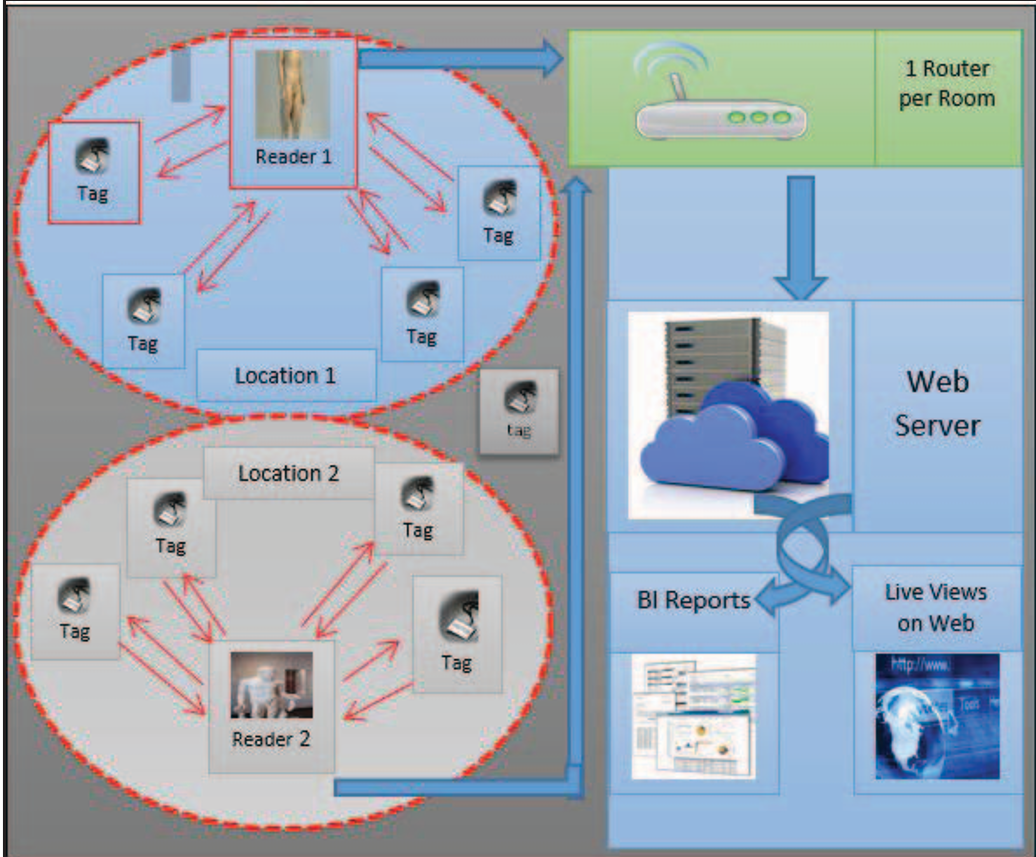 Figure 1: High-level architectural overview showing the data flow from the visitor's card to the web server and museum website.
Data-Driven Museum Management
The real power of Eye-View lies in the Business Intelligence it generates. By analyzing the stored interaction data, museum managers can:
- Identify "Superstar" Exhibits: Quantify which artifacts are actually the most popular.
- Optimize Floor Plans: Detect "dead zones" where visitors rarely linger.
- Personalization: Visitors can use their unique card ID to access a mobile app that provides a customized history of their visit, including more details on the items they "liked."
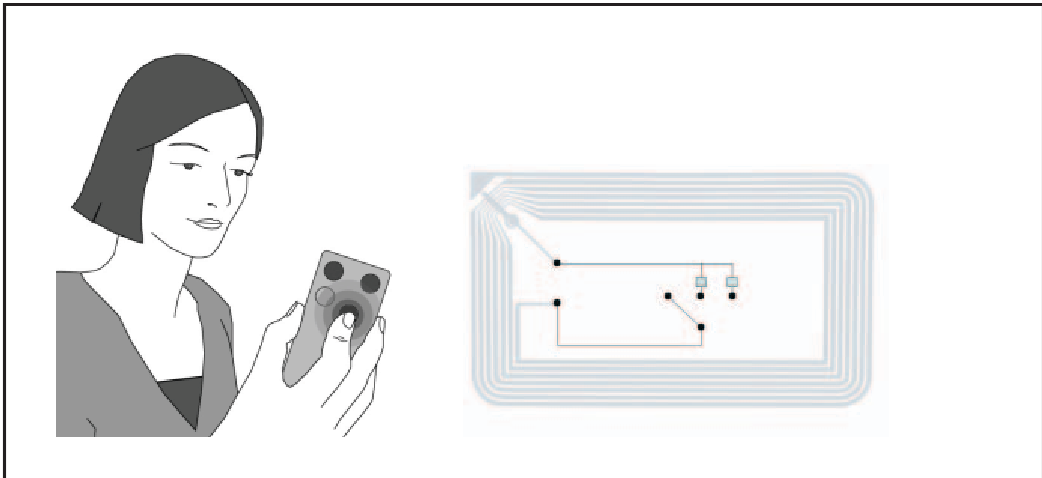 Figure 2: The hardware prototype of a smartcard featuring dual chips and an integrated physical interaction button.
Experiments and Comparative Realities
The paper provides a sobering look at museum efficiency through European Group on Museum Statistics (EGMUS) data. For instance, in Italy, just 10 museums account for 50% of all visits, whereas in Greece, it takes 154 museums to reach that same concentration. This suggests a desperate need for the "long-tail" of smaller museums to use tools like Eye-View to improve their attractiveness and operational efficiency.
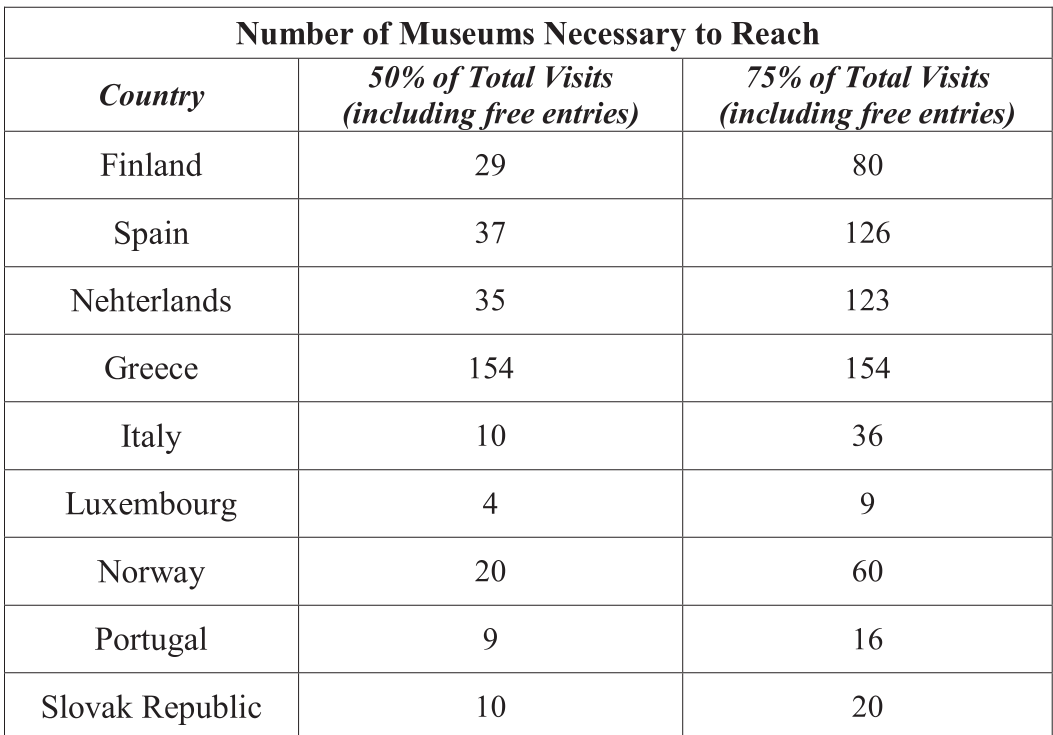 Table: Comparative analysis of museum performance across Europe, highlighting the need for technological optimization in Greece.
Critical Insight & Future Outlook
The brilliance of Eye-View is its simplicity. It doesn't require visitors to wear bulky VR headsets or constantly look at their phones. Instead, it uses passive sensing to collect active insights.
Future Extension: The authors envision the smartcard evolving into a "Cultural Debit Card." Visitors could load credits onto their card to pay for souvenirs, local dinners, or transport, effectively creating a unified "Digital Heritage Passport" that integrates the museum into the wider local economy.
Limitations
- Granularity: RFID range can be finicky in crowded environments.
- Privacy: While the data is powerful, tracking visitor movement requires clear ethical guidelines and anonymization.
Conclusion
Eye-View represents a shift from "viewing culture" to "interacting with culture." By quantifying the intangible attraction of art, it provides cultural institutions with the tools they need to survive and thrive in a data-driven world.