
Facebook as a Pedagogical Catalyst: Beyond Social Networking in Higher Education
Exploring the Potential Benefits of Facebook on Personal, Social, Academic and Career Development for Higher Education Students
This paper investigates the multifaceted utility of Facebook within the "Comprehensive Guidance Service Programme" (CGCP) framework for higher education. It proposes using social networking as a virtual learning and counseling community to enhance personal, social, academic, and career development among students.
TL;DR
This study explores how Facebook, more than just a site for "making friends," serves as a potent tool for the Comprehensive Guidance Service Programme (CGCP). By analyzing student interactions and interviews, the researchers demonstrate that social media can significantly boost academic collaboration, emotional support (personal/social), and career planning through enhanced teacher-student rapport and peer networking.
Problem & Motivation: The Guidance Gap
Higher education institutions face a daunting challenge: preparing students for "unforeseeable jobs" in an unpredictable world. Traditional guidance—often reactive and remedial—frequently fails to reach the modern student.
The authors argue that there is a massive untapped potential in the digital spaces students already inhabit. With the shift toward a "Whole School Approach" to guidance, the goal is to create a nurturing environment. Since students are "comfortable" on Facebook, the platform provides a unique opportunity to integrate guidance into their daily digital lives rather than forcing them into traditional, often stigmatized, counseling offices.
Methodology: The CGCP Framework on Social Media
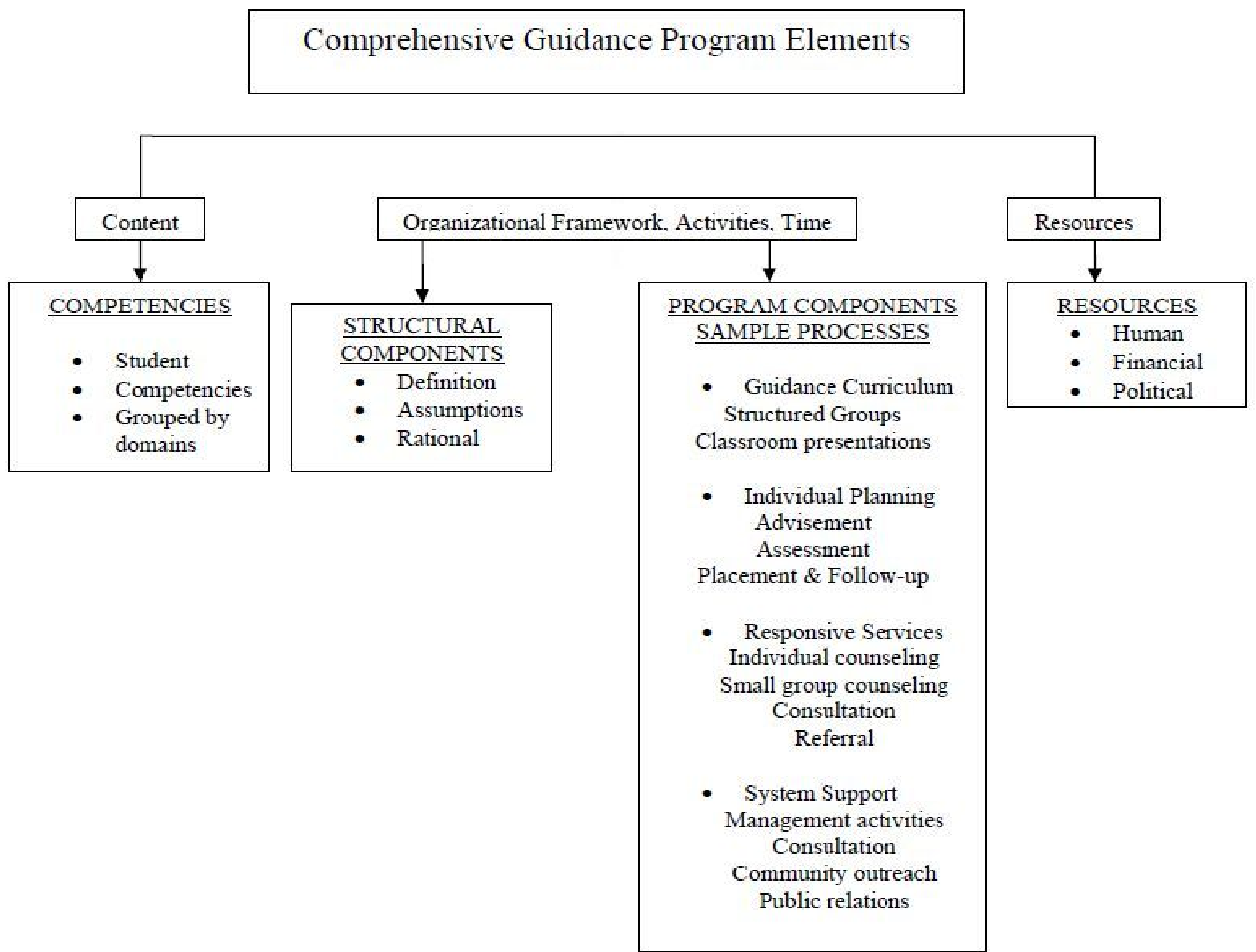
The research is grounded in the Comprehensive Guidance Service Programme (CGCP) model, which categorizes student growth into four pillars: Personal, Social, Academic, and Career development.
The core "engine" of this method is Humanistic Self-Disclosure. Unlike formal Learning Management Systems (LMS) like Moodle, Facebook allows teachers to share personal experiences and photos. This reduces the hierarchical distance, fostering a "friendship" dynamic that makes students more receptive to academic feedback and personal counseling.
Key Features Utilized:
- Facebook Groups: For private, collaborative project work and resource sharing.
- Wall/Status Updates: For identifying "at-risk" behavior (e.g., symptoms of depression) and providing public encouragement.
- Instant Messaging: For real-time, low-pressure academic tutoring and support.
Experiments & Results: A Virtual Learning Community
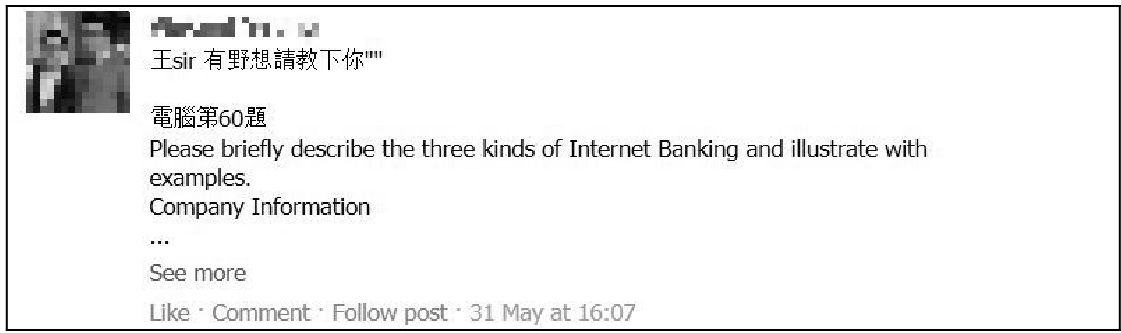
Through 723 examined messages and 13 in-depth interviews, the study found that students view Facebook as a "friendlier" and more efficient communication channel than traditional school forums.
Key Findings:
- Teacher-Student Relationship: Students reported a perception shift when teachers shared personal photos—they began to see teachers as "real people" and mentors rather than just graders.
- Collaborative Efficiency: Students were naturally forming study groups on Facebook long before being prompted by instructors, suggesting an organic Inductive Bias toward social learning.
- Career Equity: The researchers identified that Facebook bridges "Social Capital," connecting alumni and professional groups, which directly translates into job opportunities and internships.
Critical Analysis & Conclusion
This paper serves as an early but vital blueprint for Digital Guidance. It correctly identifies that the effectiveness of educational technology is not just about the "tools" (the features of Facebook) but about the Social Presence and Self-Disclosure of the educator.
Limitations: The study’s sample size (n=13) is small and geographically centered in Hong Kong, making broad generalizations difficult. Furthermore, it does not fully address the privacy concerns or "context collapse" that occurs when a professional teacher enters a student's private social space.
Takeaway: The transition from remedial guidance to a proactive, social-media-integrated approach is essential. For future educators, the message is clear: To guide the 21st-century student, you must be present in their digital ecosystem, adopting a humanistic and transparent persona.