
Facebook via the Lens of the Deaf: A Semiotic Deep Dive into Mobile Communicability
A Communicability Evaluation of Facebook in Mobile Devices: A Case Study from the Perspective of Deaf Audience in Brazil.
This paper presents a formal communicability evaluation of the Facebook mobile application among literate deaf users in Brazil. Utilizing the Communicability Evaluation Method (CEM), the study identifies specific interaction breakdowns and assesses how well the interface communicates the designer's intent to this specific cultural and linguistic demographic.
TL;DR
Is Facebook truly "accessible" if its interface speaks a language you struggle to read? This case study evaluates the Facebook mobile app's communicability for the Brazilian deaf community using Semiotic Engineering. The research reveals that while the app's logic is sound, the reliance on written Portuguese creates significant "communication breakdowns," suggesting a desperate need for visually-driven or sign-language-integrated guidance systems.
The "Deaf Culture" Gap in Modern HCI
In the realm of Human-Computer Interaction (HCI), we often mistake technical accessibility (screen reader compatibility) for communicability. For the deaf community, especially in Brazil, Libras (Brazilian Sign Language) is the first language, leaving written Portuguese as a difficult second language.
The authors argue that an interface is more than just buttons; it is a metamessage from the designer to the user. If the user cannot decode the designer's intent due to linguistic or cultural barriers, the system fails, regardless of its features.
Methodology: Tagging the Silence
The study utilized the Communicability Evaluation Method (CEM), a qualitative approach that views the UI as a conversation. By observing seven deaf participants as they performed tasks ranging from "Liking a photo" to the more complex "Creating a private birthday event," the researchers looked for Breakdowns—moments where the conversation between the user and the system stalled.
The Taxonomy of Failure
Breakdowns were tagged using a specific semiotic vocabulary:
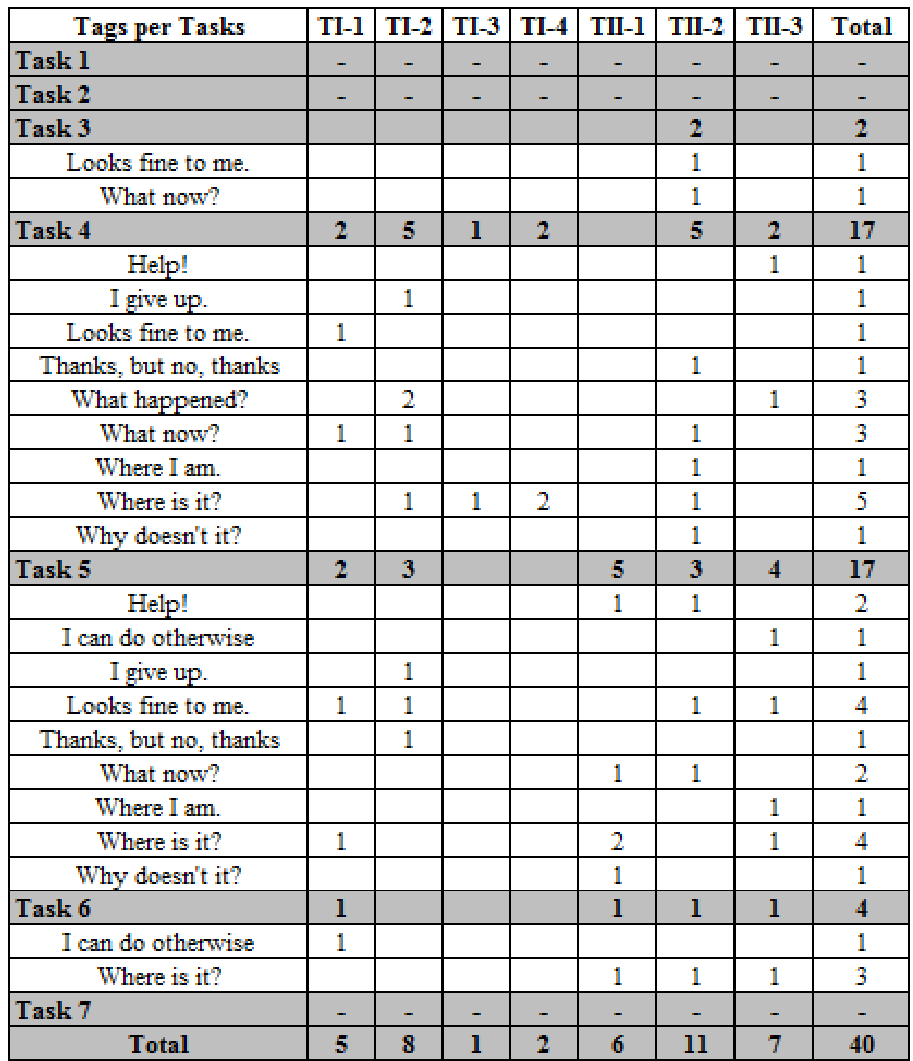
- "Where is it?": The user searches for a button they know exists but cannot see.
- "Looks fine to me": The user makes a mistake but believes they are succeeding.
- "What now?": Literal paralysis during a multi-step process.
Key Findings: Complexity Breeds Contention
The results showed a clear correlation between task complexity and the volume of breakdowns. While simple actions (Tasks 1-3) were seamless, Task 4 (Create Group) and Task 5 (Create Event) accounted for 85% of total breakdowns.
1. The Age Factor
The data revealed an "age-tech" intersection. Younger deaf participants (aged 15-24) navigated the interface with significantly fewer errors than older participants (aged 28-48). This suggests that digital literacy can partially mitigate linguistic barriers, but it doesn't erase them.
2. Functional vs. Communicative Errors
Interestingly, some "failures" were actually bugs in Facebook itself (e.g., location fields not updating), which the users interpreted as their own mistakes ("What now?"). This highlight how vulnerable users are to system inconsistencies when they already feel linguistically marginalized.
The Semiotic Profile: A Designer's Mirror
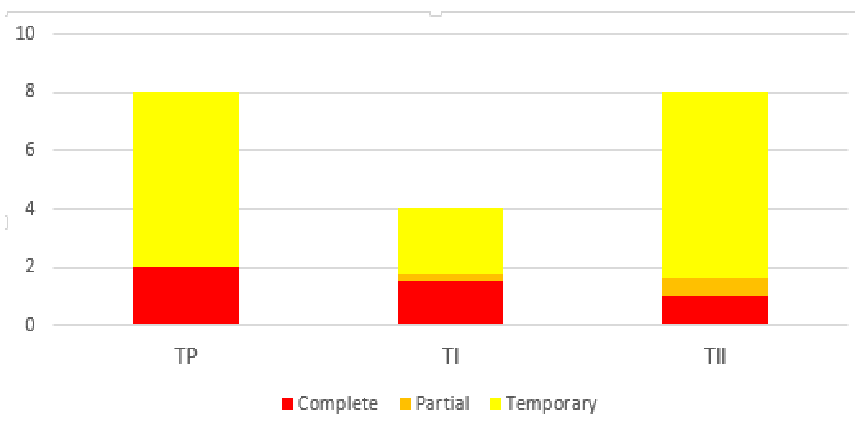
The core output of CEM is the Semiotic Profile—a reconstructed message that represents the designer’s actual impact on the user. For the deaf audience, the message being received was:
"I noticed you have a tendency for images and photos instead of Portuguese language... you still have difficulties interacting with advanced features and need further aid."
Conclusion: Beyond Translation
The study concludes that we don't need a "separate" Facebook for the deaf. Instead, we need a Language of Interaction that transcends text.
Takeaways for Designers:
- Visual Dominance: Use icons and spatial cues that are less dependent on specific linguistic syntax.
- Mediation Tools: Integrate "User Guiders" that use sign language videos to explain complex features.
- Cultural Sensitivity: Recognize that "Deafness" is a cultural identity with its own semiotic preferences, not just a medical disability.
The future of inclusive social media lies in making the "conversation" between the developer and the user audible in every language—including the silent one of signs.