
Facebook in Educational Research: Mapping the Digital Campus via Bibliometry
Facebook in educational research: a bibliometric analysis
This paper presents a comprehensive bibliometric analysis of scientific literature regarding the use of Facebook in educational research. By analyzing 208 articles from the Web of Science Core Collection (2008–2016), it identifies key growth trends, influential journals like "Computers & Education," and the global leadership of the US, Australia, and Taiwan in this domain.
TL;DR
This study provides a high-resolution map of how Facebook transformed from a social directory into a global research object in education. Analyzing a decade of scholarship, the researchers reveal a discipline characterized by rapid growth, high interdisciplinarity—particularly in medical and computer sciences—and a geographical concentration of influence in the US and Asia-Pacific regions.
Background Positioning
In the landscape of educational technology, Facebook occupies a unique position. It is not an intentionally designed Learning Management System (LMS), yet it has been co-opted by billions for collaborative inquiry. This paper acts as a "census" of that movement, moving beyond anecdotal evidence to quantify the intellectual growth of the field from 2008 to 2016.
Problem & Motivation: The Need for an Intellectual Map
Despite the ubiquity of social media, academic skepticism—driven by concerns over privacy, "cultural resistance," and institutional constraints—has often clouded the objective assessment of Facebook's utility. The authors argue that to move past these debates, we must understand the Genealogy of Knowledge: Who is writing about Facebook? In which journals? And how is this knowledge interconnected across borders?
Methodology: The Bibliometric Lens
The researchers utilized a rigorous data-refining pipeline. Starting with over 3,000 records from the Web of Science, they manually screened for "educational resource" relevance, narrowing the focus to 208 core articles. They applied Ego-Network analysis to see how "Education" as a category co-exists with others.
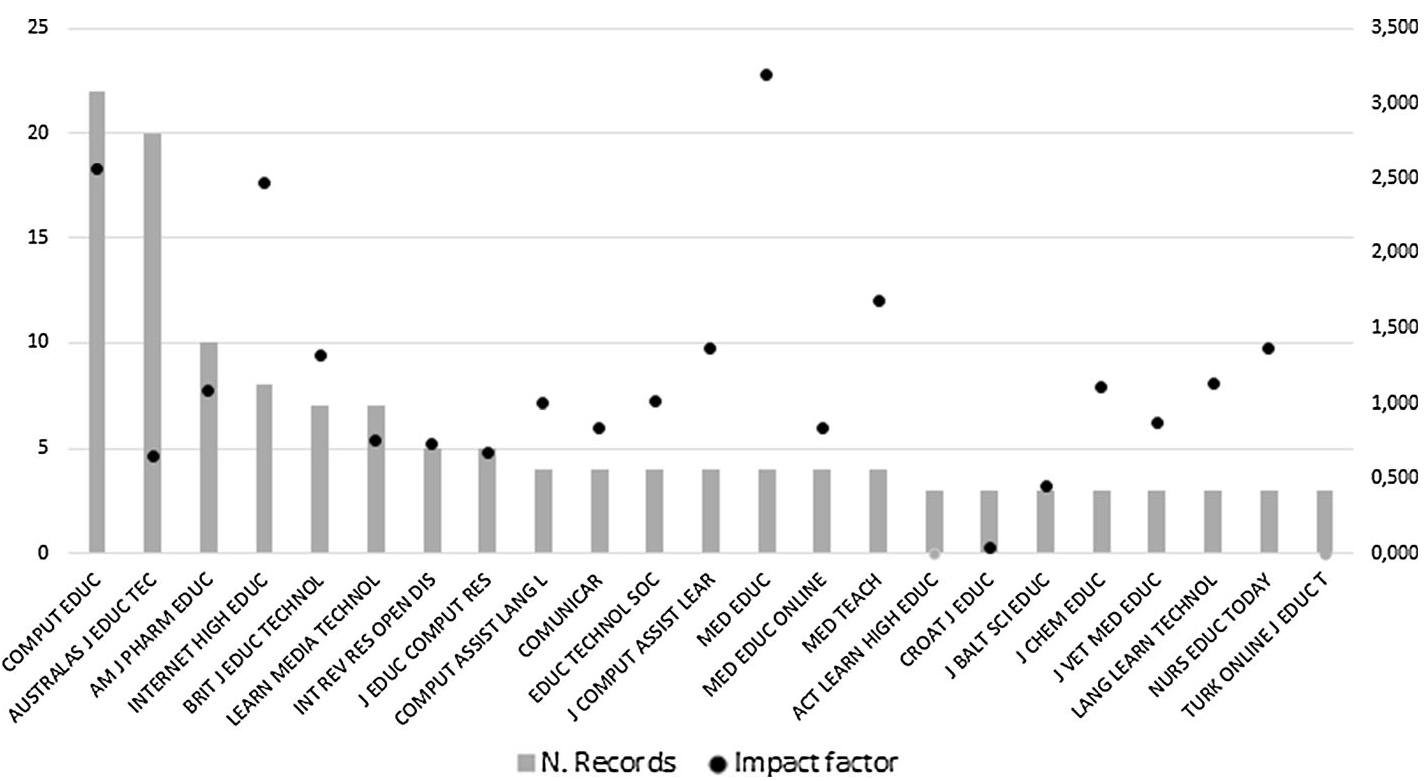 Figure 1: The exponential rise of Facebook-related educational research between 2008 and 2015.
Core Insights: Who Leads the Conversation?
The analysis reveals several critical pillars of the research landscape:
- The Powerhouses: The USA (66 papers) and Australia (21 papers) dominate, but Taiwan has emerged as a high-synergy hub where authors collaborate more intensely than their Western counterparts.
- The Interdisciplinary Bridge: Facebook serves as a "transversal" tool. The ego-network (Figure 6 in the paper) shows that educational research on Facebook is frequently fused with Computer Science and Health Sciences (Medicine, Pharmacy, Nursing).
- The Most Influential Voices: Authors like Neil Selwyn and Clare Madge are identified as the theoretical backbone of the field, focusing on social integration and "faceworking" within digital spaces.
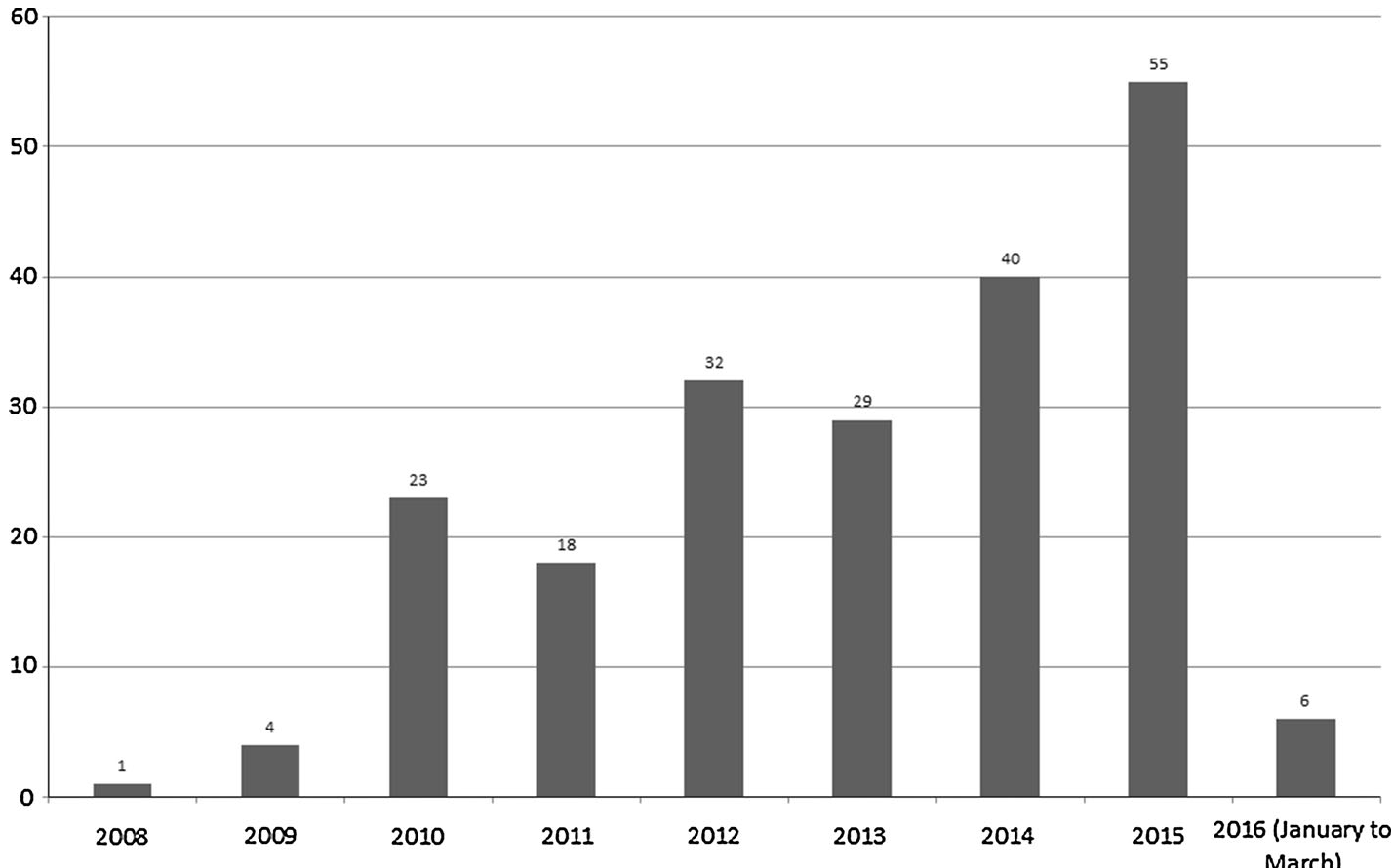 Figure 2: Leading journals by volume and impact factor, showing "Computers & Education" as a central node.
Experiments & Results: The "Why" behind the "What"
The study highlights that Facebook is primarily utilized in three ways:
- Instructional Environments: Improving teacher-student motivation and affective learning (e.g., Mazer et al., 2007).
- Informal Learning: Bridging the gap between social life and "schoolwork," creating a "third space" for collaborative activity.
- Professional Development: Particularly in medicine and pharmacy, where it is used to teach "e-professionalism" and networking.
Critical Analysis & Conclusion
Takeaway: Facebook has successfully "colonized" the educational research space, not through official mandates, but through organic pedagogical exploration. Its strength lies in its Blended Learning potential—linking informal social interaction with formal academic goals.
Limitations: The study is confined to the Web of Science database and original research articles. It notably misses regional trends in countries like China and Russia, where indigenous networks (Renren, VK) supersede Facebook.
Future Outlook: As we move into the era of AI and TikTok, the "Facebook Model" of social learning serves as a foundational blueprint for how decentralized, non-educational platforms can be repurposed to foster global communities of inquiry.