
The Facebook Effect: Decoding Consumer Behavior in the Jordanian Retail Sector
Facebook effect on customers' purchasing behaviors in Jordan
This paper investigates the influence of Facebook on consumer purchasing behavior in Jordan by analyzing the social media presence and engagement metrics of major local retailers (e.g., Carrefour, Sameh Mall). Utilizing the Facepager tool to extract interaction data, the study explores how brand posts, user comments, and peer ratings shape the decision-making process for Jordanian shoppers.
TL;DR
Social media has transformed from a simple networking tool into a dominant force in the retail landscape of Jordan. This research analyzes how Facebook engagement—specifically likes, shares, and brand interactions—directly modulates the purchasing decisions of over 5 million Jordanian users. The study finds a strong correlation between brand responsiveness and consumer loyalty.
Background & Motivation
With nearly 53.5% of the Jordanian population subscribed to Facebook, the platform acts as a digital town square. Prior work has often focused on global markets, but the cultural nuances of the Middle East—where peer recommendations and "social proof" carry significant weight—require a localized analysis. The authors hypothesize that the "Facebook Effect" is not just about advertising, but about the quality of the interaction between the brand and the consumer.
Methodology: Quantifying "Social Influence"
The researchers analyzed five major Jordanian retail entities (C1-C5, including brands like Ctown, Carrefour Jordan, and Sameh Mall). Using Facepager, they tracked:
- Post Frequency: How often brands refresh their content.
- Engagement Metrics: The volume of Likes, Comments, and Shares.
- Responsiveness: The rate at which company owners reply to customer inquiries.
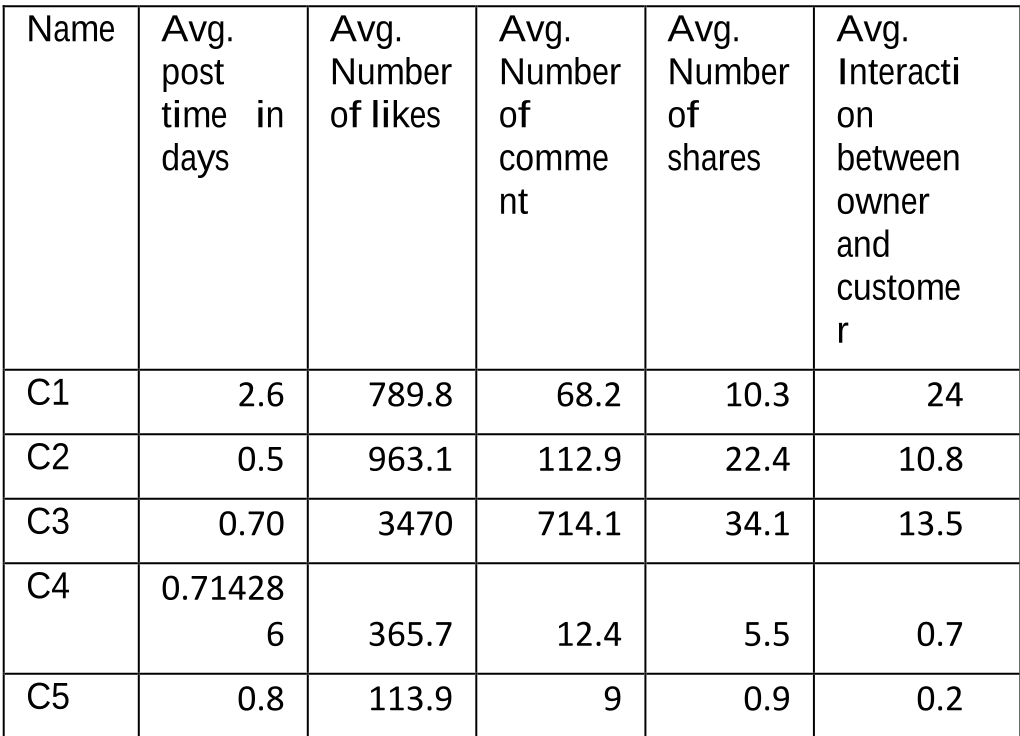 Table 2: Breakdown of engagement metrics across five major Jordanian companies.
Key Insights from the Data
1. The Power of Peer Validation
The study highlights that "Shares" are a critical metric for loyalty. When a user shares a post on their private wall, it serves as a trusted recommendation to their immediate circle. Company 3 (C3), for instance, saw an average of 34.1 shares per post, significantly higher than its competitors, correlating with its massive 1M+ follower base.
2. The Interaction Gap
While "Likes" are high across the board, "Comments" remain a challenge. The research suggests that while users are quick to show passive interest (liking), they require more substantive engagement from the brand to move into the "commenting" or "inquiring" phase.
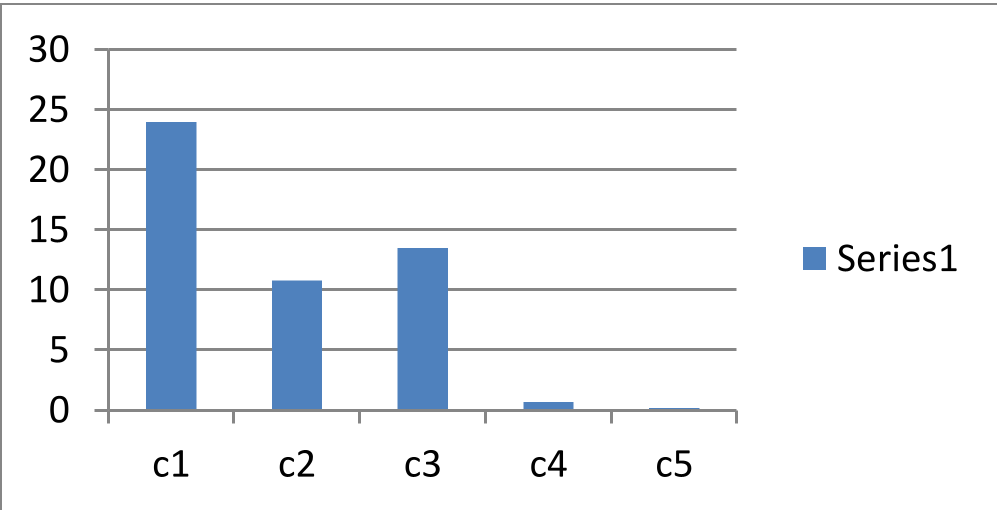 Figure 2: Visualizing the disparity in average likes, indicating high passive engagement.
Critical Analysis & Conclusion
Takeaway
The "Facebook Effect" in Jordan is characterized by a high reliance on peer reviews and brand transparency. For companies to succeed, they must move beyond "post-and-forget" strategies. The 60% of companies that currently interact with their users are setting a benchmark for the market.
Limitations & Future Outlook
The study is currently limited by its focus on Facebook. As younger demographics shift toward Instagram (specifically for fashion) and TikTok, the "Facebook Effect" may fluctuate. The authors plan to expand this research with a direct questionnaire-based study to correlate these digital metrics with actual offline sales data (In-store conversion).
Final Thought: In Jordan, social media isn't just a marketing channel—it's the primary engine of consumer trust.