
Beyond Socializing: How Facebook Transforms into a Global Clinic for Diabetes Management
Facebook as a Platform for Health Information and Communication: A Case Study of a Diabetes Group
This exploratory study analyzes 1,352 messages from a major Facebook diabetes group to characterize its role as an Online Health Community (OHC). The research identifies Facebook as a multi-national platform where peer-to-peer interactions predominantly center on information exchange, emotional support, and community management.
TL;DR
This study investigates the "Diabetes" group on Facebook, revealing it to be a sophisticated ecosystem where international users overcome language barriers to share medical advice and emotional strength. Unlike personal feeds where users fear "oversharing" health issues, these specialized groups leverage Facebook’s infrastructure to provide Instructional, Emotional, and Appraisal support that traditional healthcare often misses.
The "Self-Image" Dilemma: Why Groups Matter
For years, academic consensus suggested that Facebook was a poor fit for health discussions. The logic was simple: users want to present a "perfect" life to their friends and family, making them reluctant to post about chronic struggles like diabetes.
However, this research identifies a shift. By joining interest-based groups rather than posting on personal Timelines, users find a "safe haven." The authors argue that the power of these groups lies in Weak Ties—connections with strangers who share the same struggles, providing fresh perspectives that close-knit social circles cannot offer.
Methodology: Decoding 1,352 Messages
The researchers didn't just look at what was being said, but how the community self-regulated. They performed a deep dive into 154 posts and 1,198 responses.
The Three Pillars of Interaction
- Information (74%): Not just clinical facts, but "lifestyle hacks"—diets, workouts, and the aesthetics of diabetes tattoos.
- Emotion (24%): A surprising "positivity bias" where encouragement far outweighed venting.
- Community Building (5.4%): The "Police" work—admins and core members banning "miracle cure" salesmen and keeping the space clean.
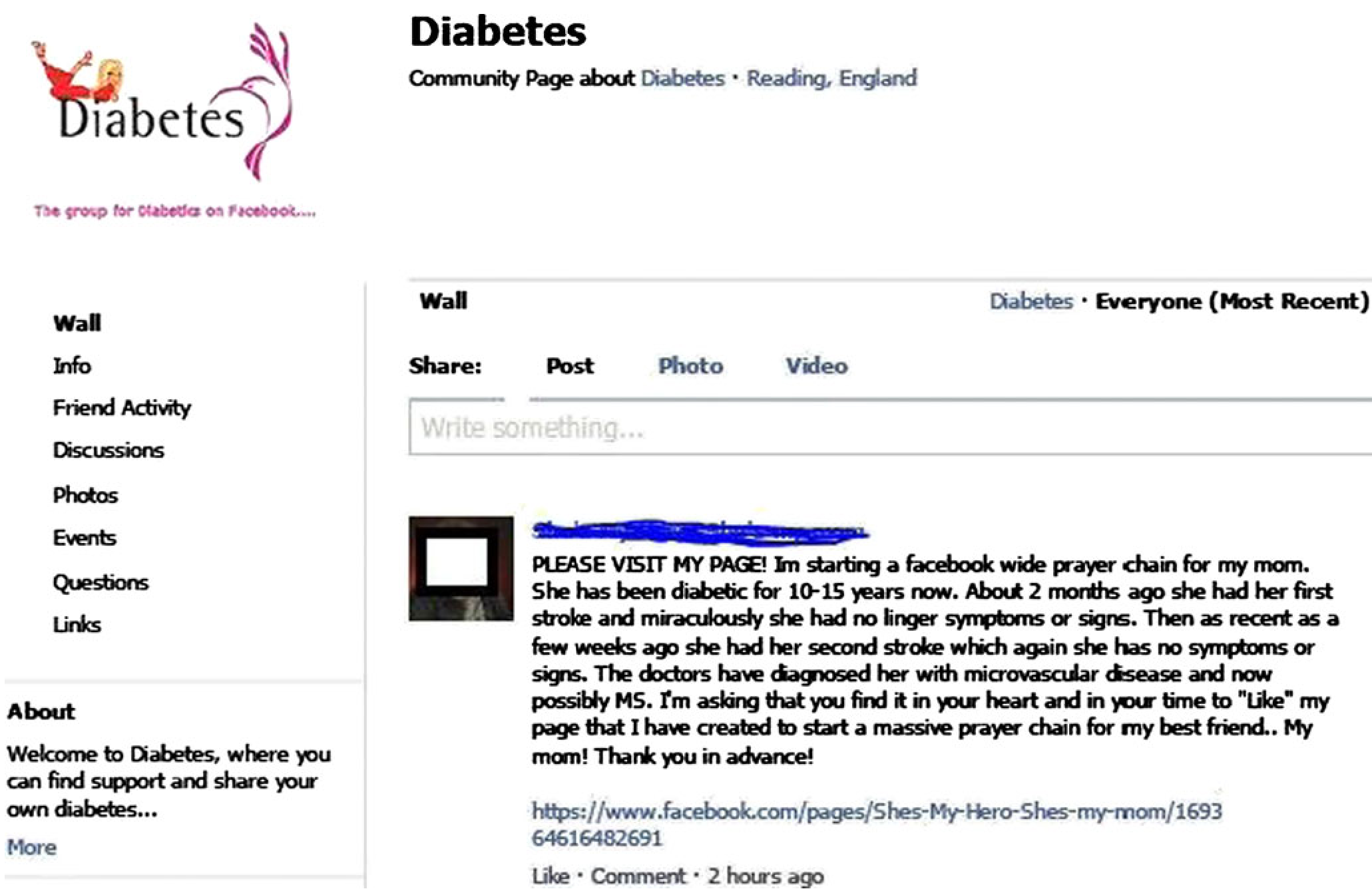 Figure 1: The Facebook group interface serves as the primary ground for interactions, blending text, images, and social validation (Likes).
Key Insights: Why Peers Trump Experts
The study highlights a critical trend in Consumer Health Informatics: users value Personal Experience (58%) over factual medical definitions.
- The Comparison Mechanism: Users post their A1C levels not just for data, but to see where they stand relative to others.
- The Global Bridge: The study observed users using Google Translate to talk across borders and using "UK/USA Glucose Converters" to translate medical metrics. This makes Facebook a globalized medical commons.
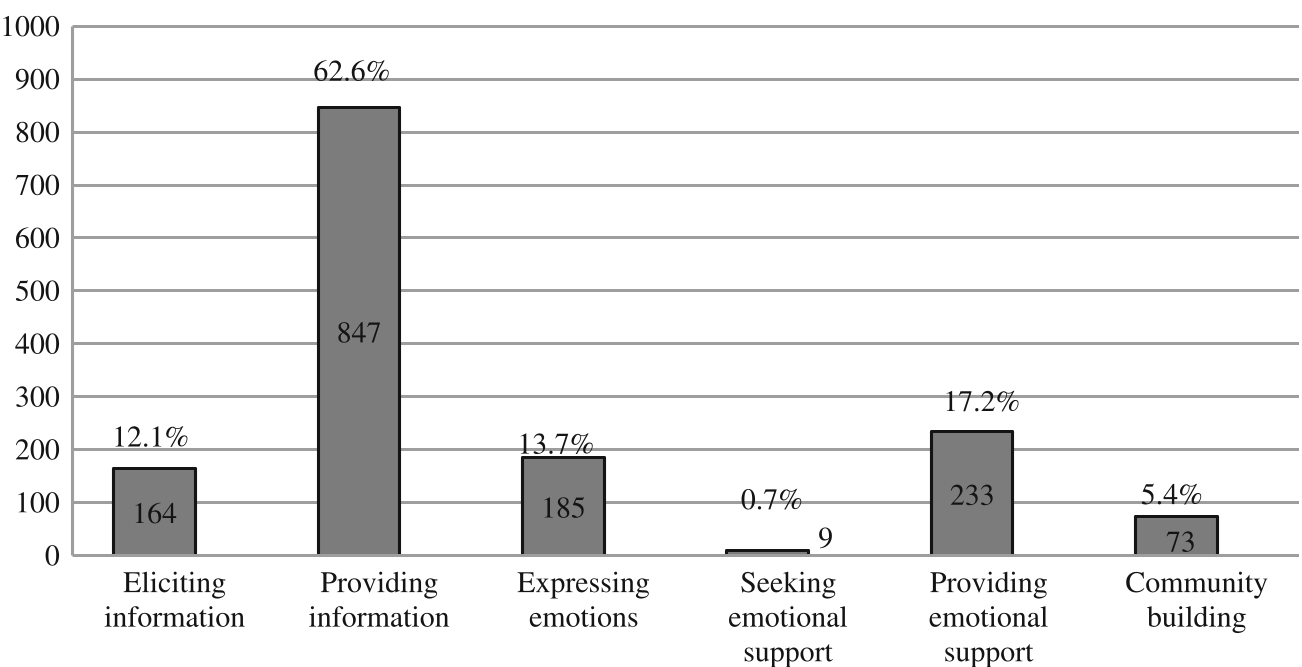 Figure 2: The dominance of Information Exchange (74%) highlights the group's role as a secondary educational resource.
The Role of the "Core Team"
The community doesn't stay healthy by accident. The study found that:
- The Top 10 contributors generated over 30% of the content.
- Admins acted as "regulators," explicitly banning the promotion of stopping insulin in favor of "natural diets."
- General members acted as "norm enforcers," confronting users who used offensive terminology.
Critical Analysis & Future Outlook
While the study proves Facebook groups are effective for social support and companionship, it leaves a major question unanswered: Does this actually improve biological health outcomes?
Limitations:
- Lurker Bias: The study only analyzes those who post. We don't know the impact on the "silent majority" who only read.
- Data Veracity: While the community "polices" itself, the risk of clinically inaccurate advice (even if infrequent) remains a systemic challenge for SNS platforms.
Final Takeaway:
For healthcare providers, the message is clear: Social networks are no longer just for "likes." They are powerful appraisal mechanisms where patients shape their health identities. Future research must look at how to integrate these "organic" peer networks with formal medical interventions to drive real-world behavior change.