
Facebook’s New Profile: When Interface Design Becomes a Privacy Threat
Launching the New Profile on Facebook: Understanding the Triggers and Outcomes of Users’ Privacy Concerns
This study uses a grounded theory approach to investigate user privacy concerns triggered by the mandatory rollout of the "New Profile" on Facebook. The researchers analyzed over 800 user comments to develop a two-stage process model identifying trigger conditions—Information Processing, Increased Accessibility, Intrusion, and Loss of Control—and their subsequent psychological and behavioral outcomes.
TL;DR
When Facebook launched its "New Profile" in 2011, it wasn't just a cosmetic update; it was a privacy catalyst. This research analyzes why users felt violated by features like the "tagged photo row," even when no new data was being collected. By applying Grounded Theory, the authors reveal that interface dynamism—the sudden change in how information is displayed—acts as a primary trigger for privacy concerns, leading to user protests and platform abandonment.
The Problem: The "Dynamism" Gap
Most privacy research treats concerns as a static relationship between a user and a company's data collection policy. However, this ignores the "shock" of the new. The authors argue that the launch of new features (like Google Buzz or Facebook’s News Feed) creates a unique type of privacy crisis. The core issue isn't what is collected, but how the display changes the "accessibility" and "perceived control" of that data.
Methodology: Listening to the Crowd
The researchers didn't use a controlled lab study; they went to the source of the heat: the Facebook Official Blog.
- Data Source: 22,253 comments filtered down to 835 high-intensity privacy discussions.
- The Framework: Using Grounded Theory (Open and Axial coding), they categorized these raw emotions into a professional "Process Model" of privacy emergence.
Methodology Detail: The Transition
The study highlights the transition from the "Old Profile" to the "New Profile."
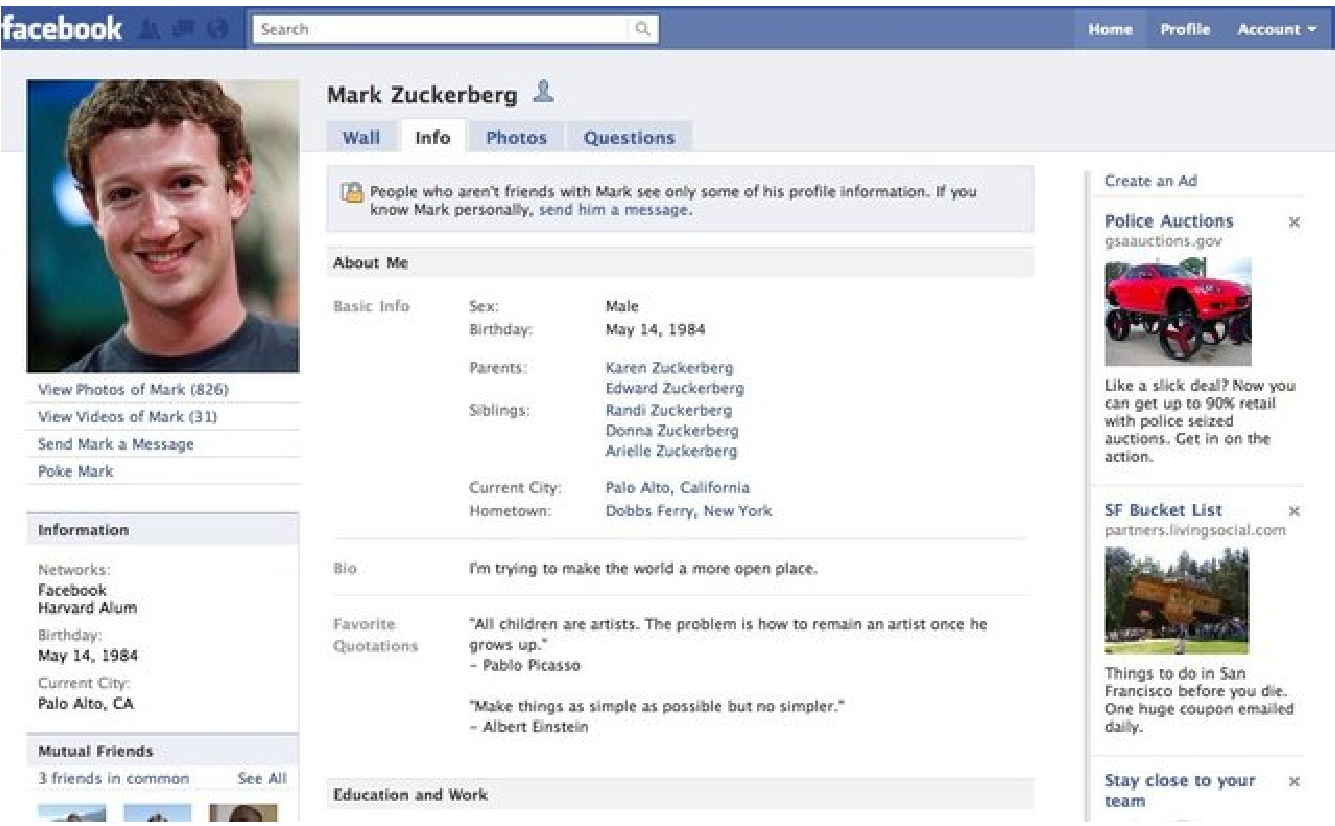 Fig 1 & 2: The evolution of the Facebook UI showcasing the increased visibility of tagged content.
The Core Findings: Why Users Revolted
The study identifies four "Trigger Conditions" that turn a UI update into a privacy threat:
1. Information Processing (Aggregation)
This was the most salient concern. Facebook pulled tagged photos from deep in albums and placed them at the top of the profile. Even though these photos were already "public," the act of Aggregation made "the whole greater than the sum of its parts." It created a "stalker’s paradise" by synthesizing a visual summary that users never intended to be so prominent.
2. Increased Accessibility
Users felt the new design "shortened the distance" for unwanted audiences. One click now revealed what previously required deep navigation. In privacy theory terms: a difference in quantity (ease of access) became a difference in quality (privacy harm).
3. Intrusion and Virtual Territory
A fascinating insight from the paper is the concept of the profile as Virtual Territory. Users view their profile as their digital home. When Facebook changed the layout without permission, users didn't see it as a "service update"—they saw it as a "home invasion."
4. Loss of Control
Control was undermined in two ways:
- Unusable Features: Settings were too complex to find.
- Inadequate Mechanisms: Users had no "Opt-out" or "Unlike" button to revert to the old version.
Results & Outcomes: The Backlash
The study mapped user reactions into a clear hierarchical structure:
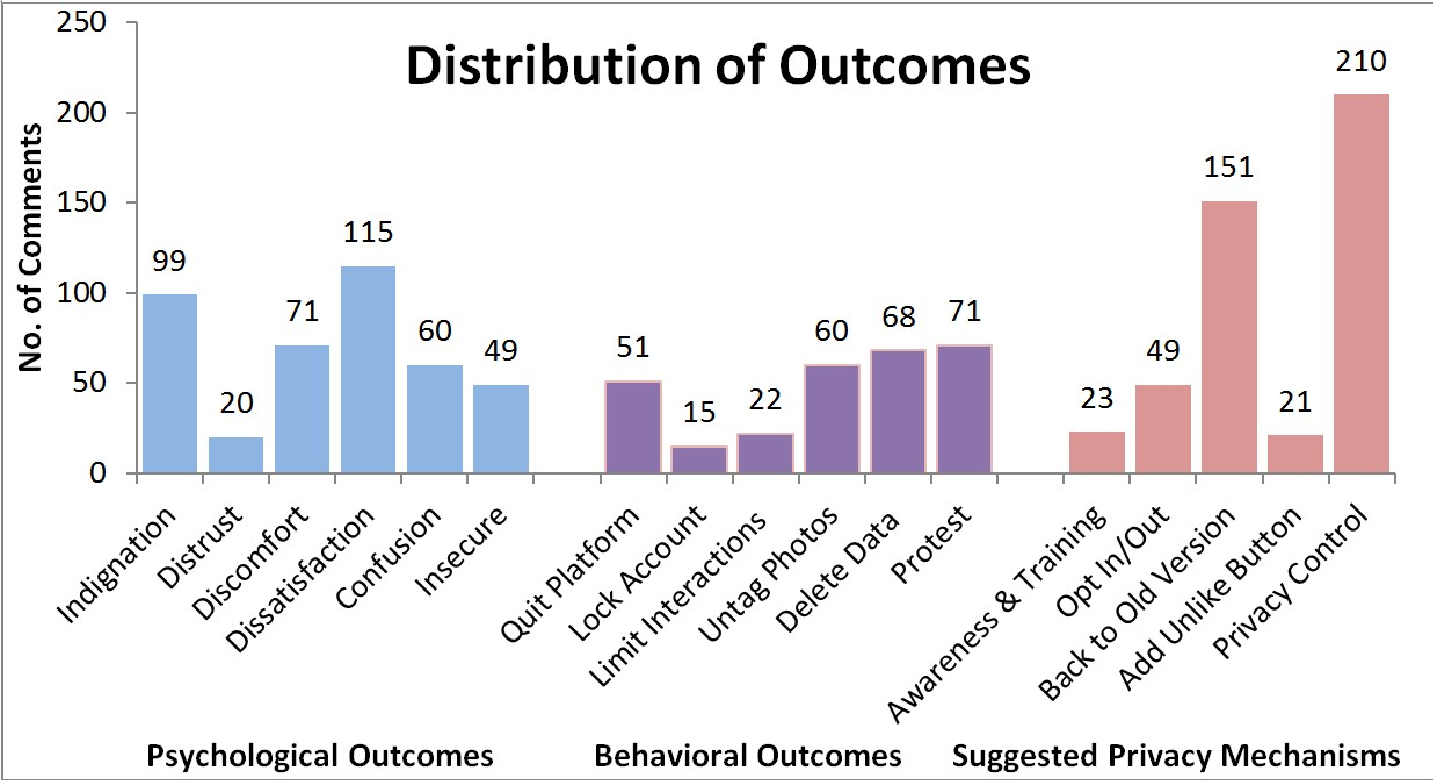 Fig 3: The emergence and outcome stages of privacy problems.
- Psychological: Indignation, confusion, and a fundamental loss of Distrust in the platform's motives (prioritizing ad revenue over user comfort).
- Behavioral: The ultimate "exit" strategy. Users didn't just complain; they deleted data, untagged themselves en masse, and organized "Deactivation Day" protests on February 1, 2011.
Critical Insight: The Absence of "Collection" Concerns
Interestingly, users in this study didn't complain about Facebook collecting their data. Because they were experienced users, they had already accepted the "data collection" trade-off. Their anger was strictly about Data Management and Display. This suggests that for mature platforms, the biggest risk isn't the Privacy Policy—it's the User Interface.
Conclusion & Future Outlook
This paper serves as a "wake-up call" for UI/UX designers. Privacy isn't just a checkbox in the settings; it's an emergent property of how information is organized.
- Limitation: The study only looked at English-speaking users who were vocal enough to comment.
- Future Impact: As AI-driven interfaces (like those on TikTok or Instagram) become even more dynamic, the "Aggregation" and "Loss of Control" triggers identified here will become the central battlegrounds of digital ethics.