
A Tale of Two Social Networks: How Facebook and Renren Shape the Bicultural Consumer
10661_A tale of two social networking sites How the use of Facebook and Renren influences Chinese consumers' attitudes toward product packages with differen
This study examines how the usage of U.S.-based Facebook and China-based Renren influences the cultural orientation and product package attitudes of Chinese individuals living in the United States. Utilizing a culture learning model, the author identifies that SNS usage intensity is a significant predictor of cultural identity and consumer preference for ethnic vs. host-culture symbols.
TL;DR
Can your choice of social media determine how much you are willing to pay for a box of chocolates? This study investigates Chinese residents in the U.S., revealing that their intensity of use on Facebook vs. Renren (the "Facebook of China") directly reflects their acculturation level. While platform usage dictates emotional preference for cultural symbols, the highest economic value is surprisingly found in bicultural packaging that blends both worlds.
Problem & Motivation: Beyond "Checking In"
Most academic literature treats Social Networking Sites (SNS) as tools for social capital or entertainment. However, this paper argues they are Cultural Products—tangible representations of a society's laws, norms, and consensus.
The core problem addressed is the lack of understanding of digital acculturation. When a Chinese individual moves to the U.S., they are caught between two digital worlds:
- Facebook: An inclusive, host-culture environment.
- Renren: A home-culture environment that reinforces traditional values.
The author seeks to understand if immersion in these digital "cultural bubbles" fundamentally alters how consumers process marketing cues, specifically product packaging.
Methodology: Symbols as Peripheral Cues
The experiment utilized a complex 2x2x2x2 design. Participants (251 Chinese individuals in the U.S.) were exposed to four types of chocolate packaging:
- American symbols: Capitol Hill, Statue of Liberty.
- Chinese symbols: Temple of Heaven, Confucius.
- Bicultural: A mix of both.
- Control/Neutral: Geometric shapes or unrelated cultural symbols.
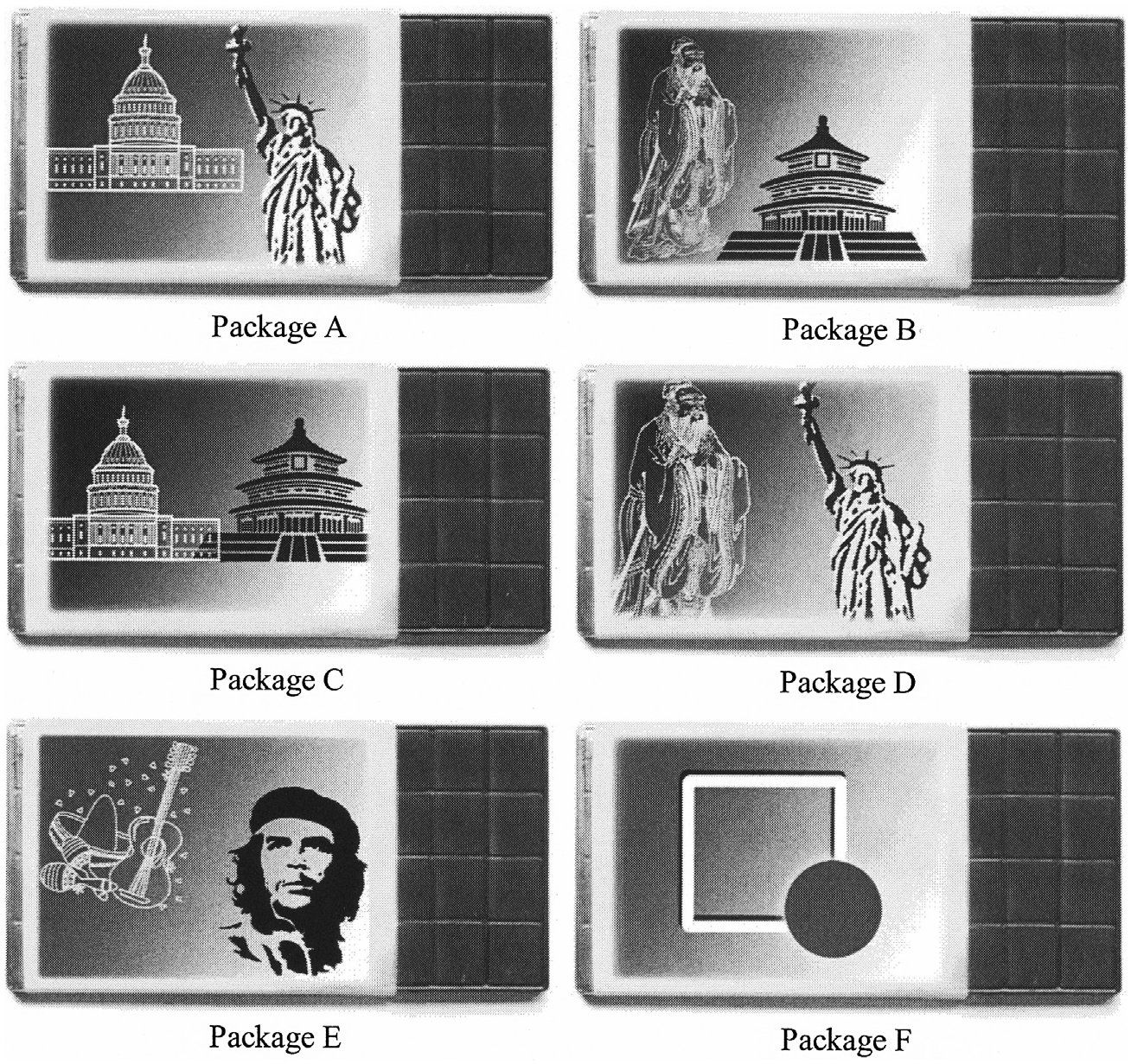
The study measured Usage Intensity (a standardized scale of integration into daily life) rather than just "time spent," providing a deeper look at psychological immersion.
The "Renren Effect" vs. The "Facebook Dilution"
The results yielded a fascinating distinction between the two platforms:
- Renren = Cultural Reinforcement: Higher Renren usage was strongly correlated with a preference for Chinese cultural symbols. It acts as a digital "home" that keeps ethnic identity salient.
- Facebook = Cultural Inclusivity: Surprisingly, Facebook usage did not significantly increase preference for American symbols. The author posits that because Facebook is global (81% of users outside the U.S./Canada), it doesn't represent "American-ness" as strongly as Renren represents "Chinese-ness."
The Paradox of Willingness to Pay (WTP)
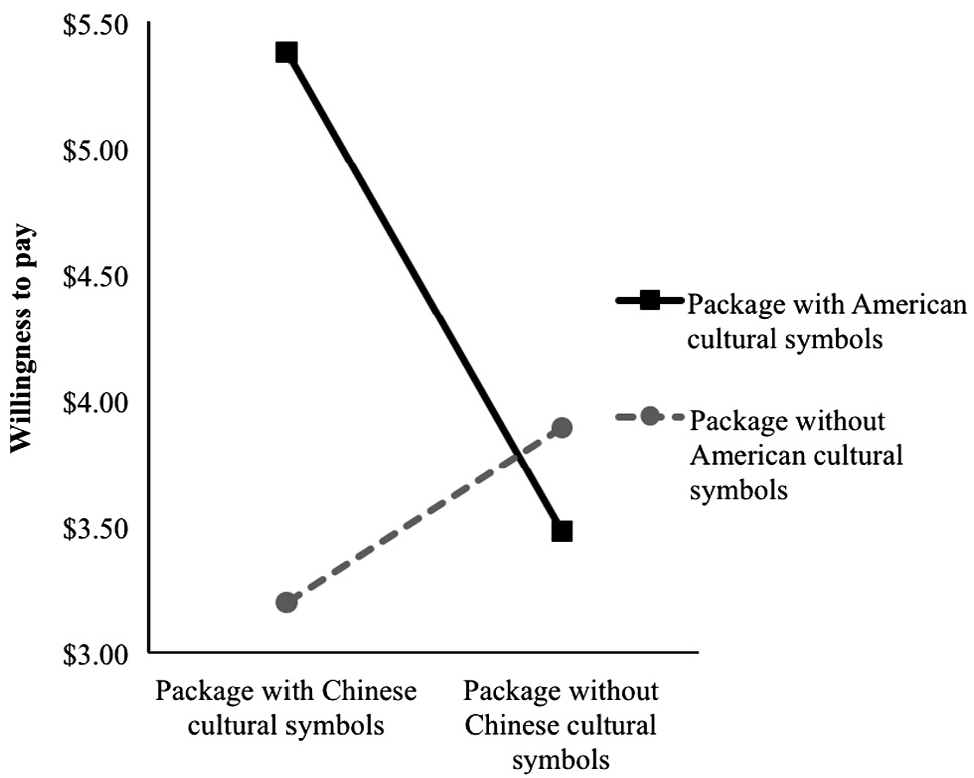
While Renren users liked Chinese packaging more, they weren't necessarily willing to pay more for it. This is attributed to the Country-of-Origin (COO) effect, where "Made in China" is often stereotyped as lower value compared to "Made in USA."
However, the Bicultural Package (Package D) was the clear winner in economic value.
Critical Insights & Future Outlook
1. SNS as Acculturation Agents
This research forces us to reconsider the "Culture Learning Model." Digital contact (reading posts) is now just as influential as direct contact (talking to locals) in picking up host-culture skills.
2. The Hybrid Victory
The highest willingness to pay for the bicultural package suggests a "twisted country-of-origin effect." Consumers might perceive a hybrid package as reflecting the best of both worlds—perhaps the prestige of American design combined with the authenticity or familiarity of Chinese culture.
3. Limitations
The study's sample had a short average stay in the U.S. (2.9 years). In the long term, does Facebook usage eventually "catch up" and begin to shape host-culture preference, or does the platform's global nature prevent it from ever being a true agent of Americanization?
Conclusion for Marketers
If you are targeting bicultural immigrants, do not choose sides. Pure ethnic marketing reinforces identity but may hit a "value ceiling" due to country-of-origin stereotypes. The most effective strategy is Symbolic Integration—blending host and home culture symbols to satisfy the dual identities of the modern global consumer.