
Historytelling: Overcoming the Technology Gap for Older Adults through Participatory Design
Addressing Fear and Lack of Knowledge of Older Adults Regarding Social Network Sites
This paper introduces a participatory design approach to improve the onboarding experience of "Historytelling" (HT), a Social Network Site (SNS) for older adults. By conducting workshops to identify barriers like technical jargon and privacy fears, the authors developed a revised interface that significantly improved user experience scores.
TL;DR
Older adults face unique barriers to digital inclusion, including "fear of the unknown" and complex technical jargon. This research utilizes participatory design to overhaul the onboarding process of Historytelling, a social network for sharing life stories. By simplifying terminology and leading with altruistic "example stories," the study demonstrates how empathetic design can transform a 60+ user from a skeptical browser into an active content creator.
Problem & Motivation: The Digital Divide of Fear
While Information and Communication Technology (ICT) can reduce loneliness and depression in older adults, adoption remains stagnant. The authors identify several core "pain points" that current Social Network Sites (SNS) ignore:
- Technical Alienation: terms like "Onboarding," "Feed," or "Registration" act as linguistic barriers.
- The Privacy Paradox: Older adults often fear "bandits of the internet" and are highly suspicious of data collection, yet they crave the personalization that data provides.
- Lack of Immediate Value: Without seeing what others have done, the "blank page" of a new network is intimidating.
The research intuition here is simple: Trust is earned through transparency and immediate demonstration of value.
Methodology: Designing WITH, not for, the Elderly
Instead of imposing a top-down design, the researchers used Participatory Design (PD) to involve seniors (aged 61-72) in the analysis.
The Workshop Insights
Participants ranked their fears, revealing that "Unknown Technical Terms" and "Data Privacy" were the highest hurdles. Interestingly, many reported that media warnings about "internet bandits" actively fueled their anxiety.
Architecture of the New Onboarding
The team pivoted from a standard registration-first model to a Value-First model:
- Explanation over Jargon: Every technical step was explained in plain language.
- The "Bait" Phrase: A compelling slogan to hook interest immediately.
- The Social Proof Slide: A slideshow of public stories allowed users to "read before they join," reducing the fear of embarrassment.
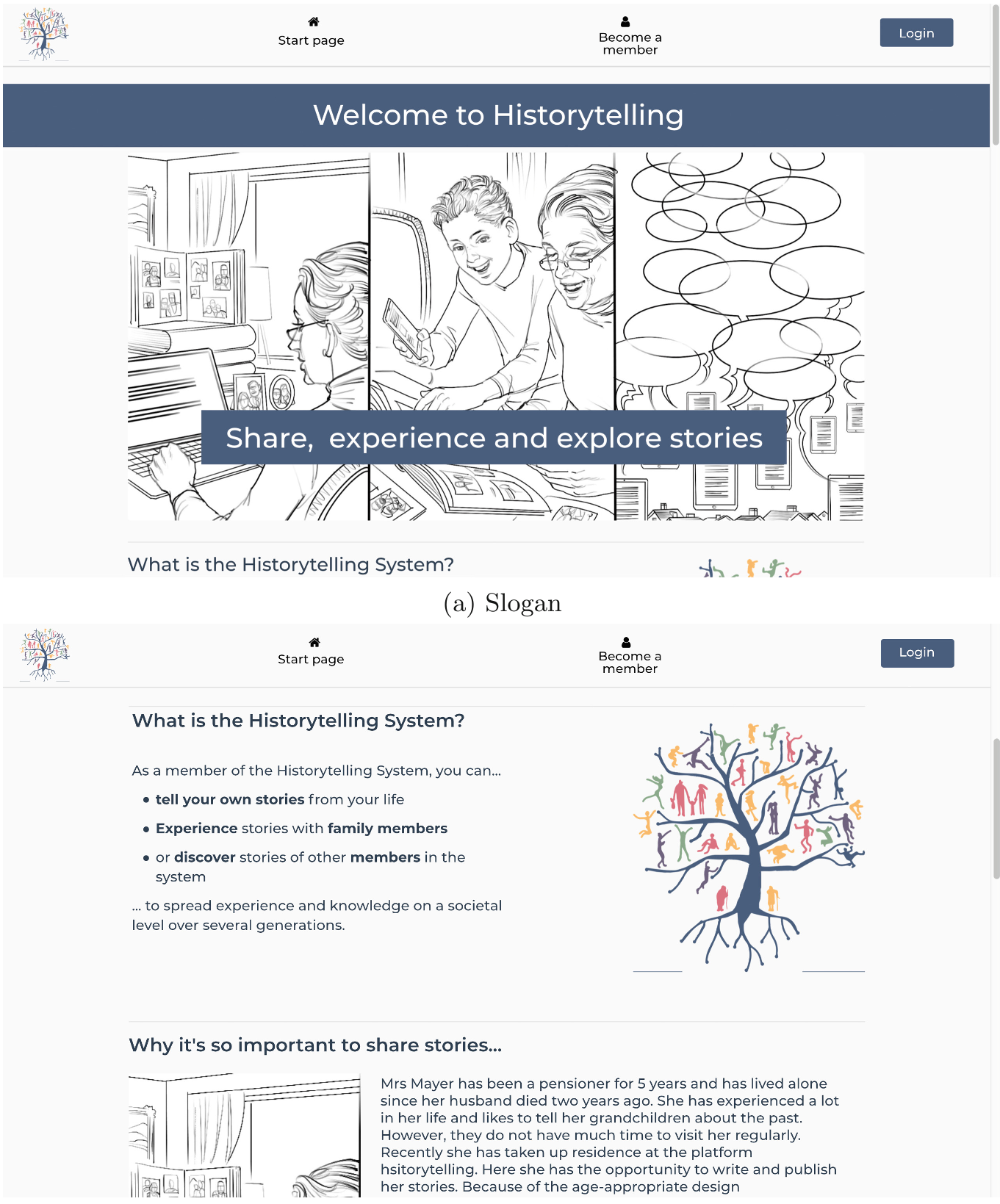 Figure 1: The revised onboarding layout focusing on clarity and immediate content access.
Experiments & Results: Turning Skeptics into Storytellers
The prototype was evaluated with 11 women (avg. age 68). The results were assessed using the User Experience Questionnaire (UEQ) and Computer Literacy Scales (CLS).
Quantitative Success
The system scored exceptionally well in Attractiveness and Perspicuity (clarity). The high "Stimulation" score (2.07) suggests that once the initial fear was removed, the users found the platform genuinely engaging.
| UEQ Scale | Mean Score (New Prototype) |
|---|---|
| Attractiveness | 1.62 |
| Perspicuity | 1.61 |
| Stimulation | 2.07 |
| Efficiency | 1.50 |
Behavioral Insight
Screen recordings revealed a fascinating trend: Most participants spent their time reading others' stories first. This "lurking" phase was crucial; it provided the mental model needed to understand the system. Consequently, nearly 36% of participants began drafting their own stories within the first 15 minutes.
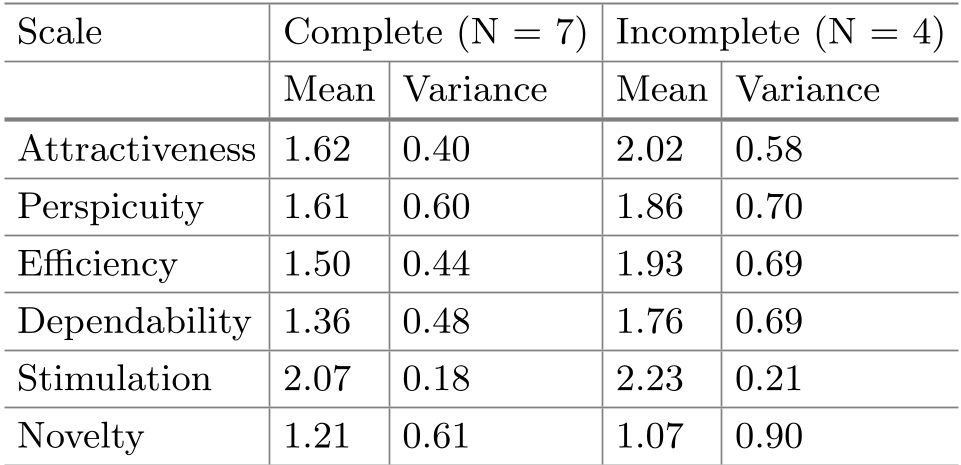 Figure 2: UEQ Benchmark results showing positive ratings across all UX dimensions.
Critical Analysis & Conclusion
The "Data Dilemma"
One of the most profound insights is the Dilemma in Need for Data. Older adults want personalized content (which requires data) but fear providing it. The paper suggests "Incremental Context-Sensitive Disclosure"—asking for data only when the user can see why it's needed (e.g., asking for a location only when tagging a story to a map).
Takeaway
For developers, the lesson is clear: Functionality should precede registration. By allowing older adults to sample the "social" aspect of a network before requiring an account, we can dismantle the wall of fear that prevents active aging in the digital era.
Future Work: The authors note that many users were overwhelmed by "war-themed" stories. Future iterations will focus on diversifying content to ensure the "Stimulation" score remains high and the platform feels like a place of celebration rather than just historical trauma.