
E-Mental Health: Bridging the Social Support Gap in Taiwan's Postpartum Depression Crisis
Feasibility of Utilizing E-Mental Health with Mobile APP Interface for Social Support Enhencement: A Conceptional Solution for Postpartum Depression in Taiwan
This study investigates the feasibility of using Mobile Apps as E-Mental Health (EMH) tools to combat Postpartum Depression (PPD) in Taiwan. By surveying 224 postpartum women, the research identifies a high local risk of PPD (27.7%) and validates the negative correlation between social support and depressive symptoms.
TL;DR
A new study reveals that 27.7% of postpartum women in Taiwan are at high risk for depression, a rate nearly double the global average. Despite high smartphone penetration, specialized digital tools for mental health remain underutilized. This research proposes that a dedicated Mobile App interface focusing on Social Support Enhancement could be the missing link in local maternal healthcare.
Background: A Silent Crisis in Taiwan
Postpartum Depression (PPD) is more than just "baby blues"; it is a non-psychotic major depression affecting women's ability to care for themselves and their infants. In Taiwan, the problem is compounded by short hospital stays (averaging 4.09 days) and a healthcare system that often overlooks maternal mental health during pediatric follow-ups.
The authors argue that the current landscape is ripe for a digital intervention, yet the "Trust-Awareness Gap" prevents existing tools from being effective.
The "Insight": Why Social Support Matters
The core of this research rests on the Social Support Theory. Support is categorized into two types:
- Formal Support: Provided by medical personnel and professionals.
- Informal Support: Provided by family, friends, and peers.
The study proves a significant negative correlation between these support systems and EPDS scores (the standard for measuring depression). Interestingly, while Taiwanese women receive high informal support from family, formal professional support is lacking, leaving a void that E-Mental Health (EMH) could fill.
Methodology: Mapping the Digital Landscape
The researchers surveyed 224 women using a combination of the EPDS-T (Taiwanese version) and MSPSS.
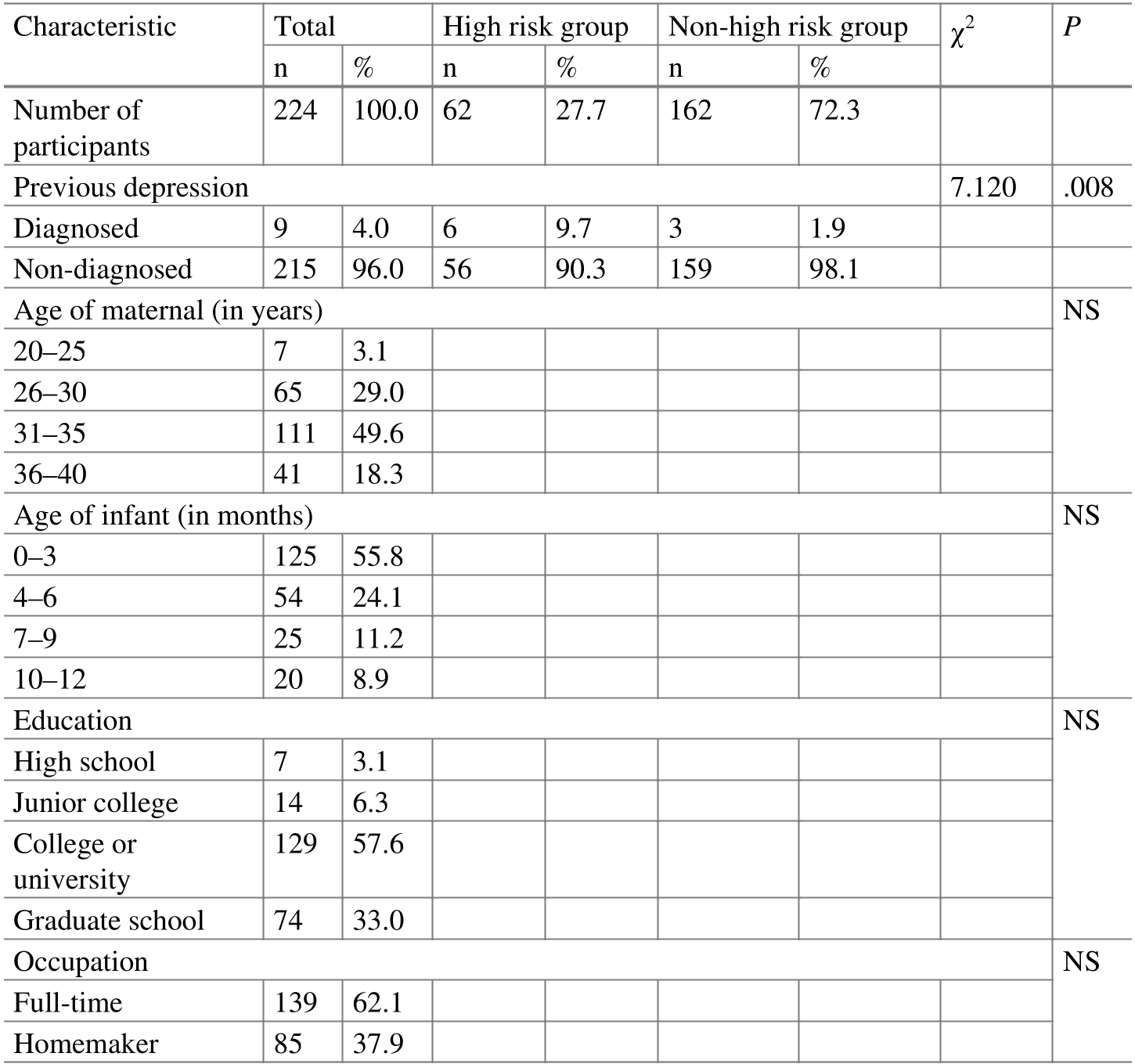
The data analysis revealed three critical findings:
- High Risk Prevalence: 27.7% scored above the 12/13 cut-off on the EPDS-T.
- The History Factor: Women with a history of depression are 2.6 times more likely to experience PPD.
- EMH High Adoption, Low Specificity: 88.4% use social media or forums for support, but only 30% utilize specific smartphone Apps for mental health.
Results & The "Opportunity Gap"
The study highlights a paradox: while nearly all participants are smartphone savvy, the quality of available EMH tools is perceived as low.
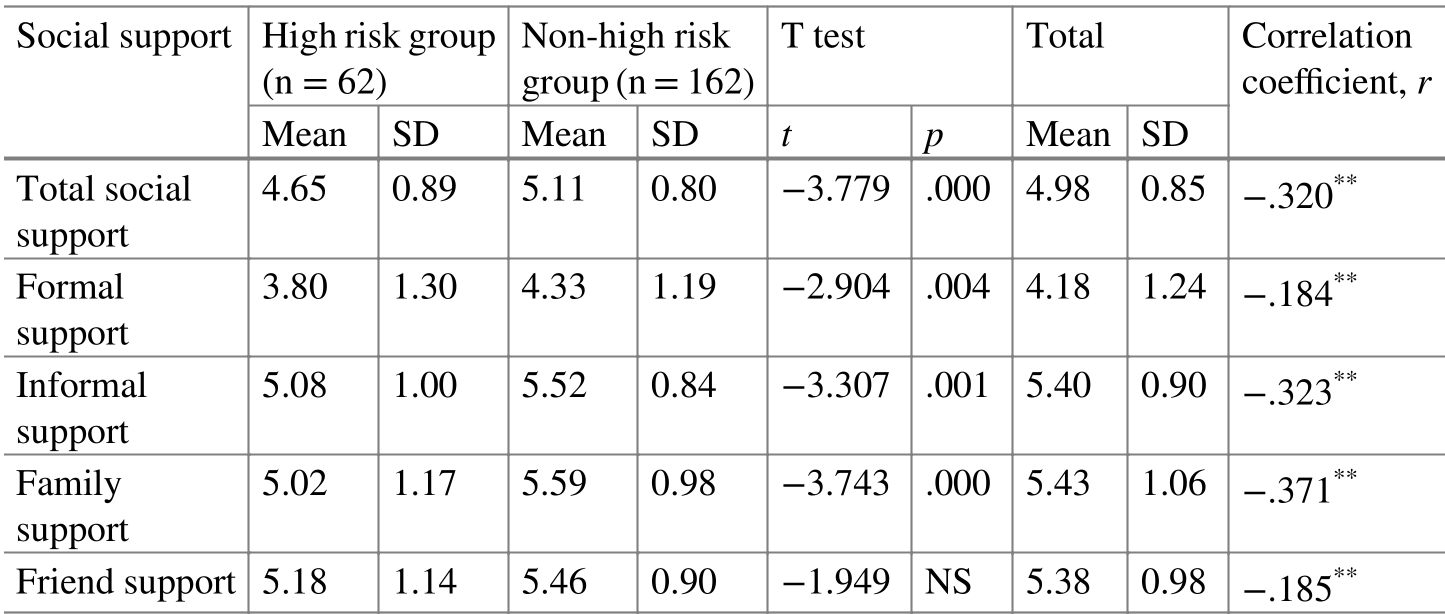
As shown in the table above, Total Social Support is significantly higher in the "Non-high risk group." The data suggests that if an App can effectively simulate or facilitate these support networks—especially Formal Support—it could drastically reduce depression risks.
Key Barriers Identified:
- Trust: Only 35% of participants felt current App information was reliable.
- Awareness: 28.6% of users simply didn't know these Apps existed.
Conclusion: Toward a Conceptual Solution
The paper concludes that a successful EMH solution for Taiwan must:
- Integrate Screening: Allow for easy, private self-assessment via the EPDS-T interface.
- Enhance Formal Support: Provide direct channels to medical professionals to increase perceived reliability.
- Leverage Peers: Utilize the existing habit of using forums/BBS to foster "Informal Support" through moderated peer groups.
The Takeaway: The technology exists, and the demand is high. The next step is a design-centric approach that moves away from generic social media and toward a specialized, professionalized "E-Mental Health" ecosystem.
Limitations
The study notes that web-based surveys may differ from clinical environments in how questions are interpreted. Future research should utilize Path Analysis to more deeply understand the causal directions between social support and depression symptoms.