
SceneKnowledge: Externalizing the "Nursing Knack" via Video-Based Social Networking
Field Experiments in Social Networking Service Using a Knowledge Sharing System with Nursing Skill Videos
This paper introduces a video-based Social Networking Service (SNS) and knowledge sharing system called SceneKnowledge designed to convert nurses' tacit knowledge into explicit knowledge. Using the SECI model, the study conducted field experiments with 1,718 nurses to capture practical "knacks" and expert tips through collaborative video annotation and feedback.
TL;DR
In the high-stakes world of nursing, the difference between a textbook procedure and expert execution often lies in tacit knowledge—those unwritten "knacks" learned over years of practice. This paper evaluates a specialized SNS system, SceneKnowledge, which allows nurses to annotate instructional videos with their own experience-based tips. By analyzing feedback from over 1,700 participants, the study demonstrates how digital social platforms can transform personal intuition into organizational wisdom.
The "Tacit" Challenge: Why Manuals Are Not Enough
Standard nursing education often relies on systematic, explicit knowledge (textbooks), yet clinical reality is unpredictable. Expert nurses utilize what Michael Polanyi famously defined as knowledge that is "difficult to explain verbally." For instance, the specific angle of a wrist during an injection or the subtle shift in body weight when moving a patient is rarely captured in a bulleted list.
The core motivation of this research was to find a way to verbalize and visualize these technical nuances to improve overall nursing quality and safety.
Methodology: The SECI Model in Action
The researchers grounded their approach in the SECI Model of knowledge management. The experiment utilized a system called SceneKnowledge, which functions as an SNS tailored for video content.
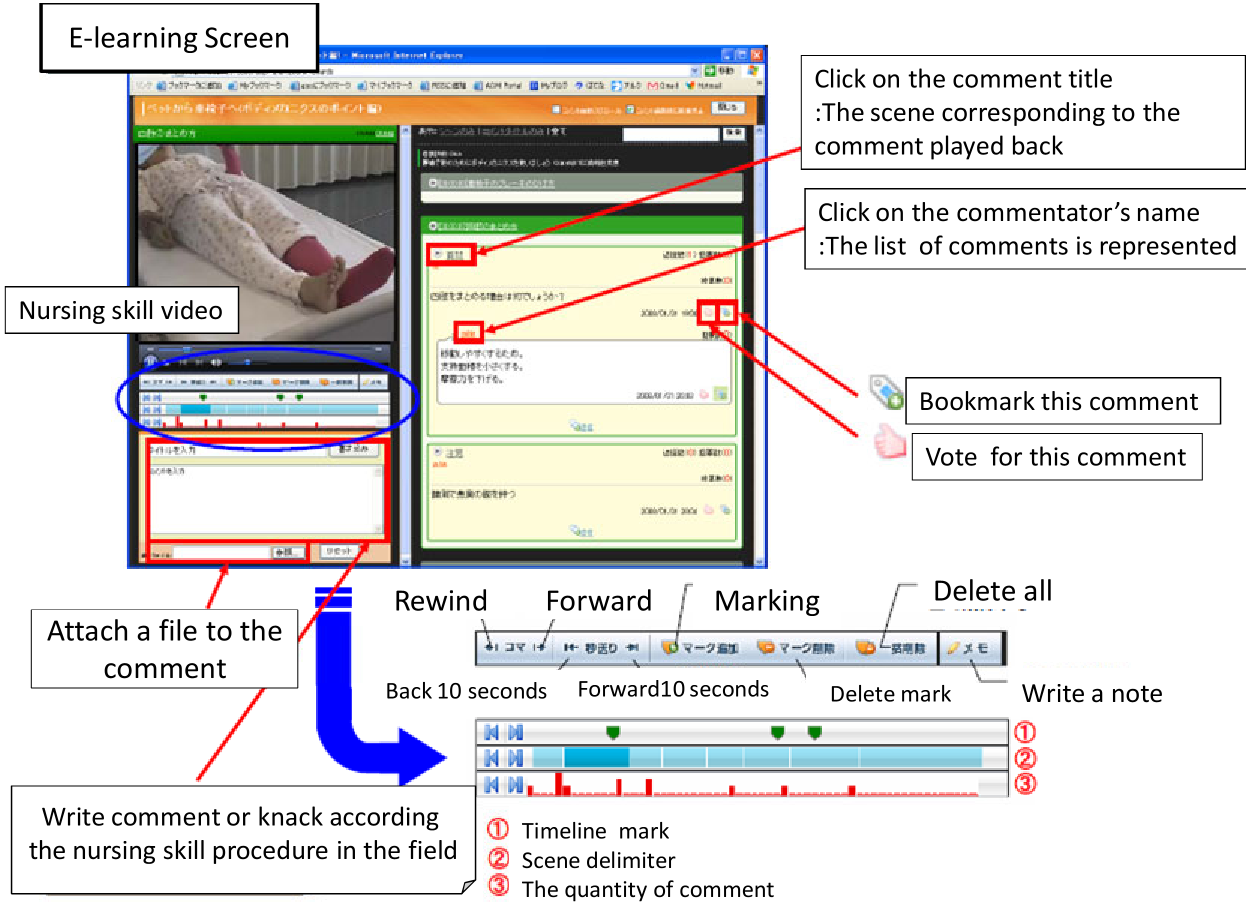
- The Content: Five core nursing skills (Intravenous injection, tracheal suction, patient transfer, etc.) were filmed.
- The Interaction: Nurses could watch these videos and post comments at specific timestamps to share their "knacks," doubts, or supplemental instructions.
- The Goal: Move knowledge from individuals (Socialization) to the platform (Externalization) and back to the community (Internalization).
Key Findings: Capturing the "Knack"
The experiment yielded 205 categorized comments. The qualitative analysis revealed a wealth of practical information that isn't typically found in official manuals:
| Category | Description of Insight Captured |
|---|---|
| Body Mechanics | Using circular motions and keeping the assistant's body close to the patient to reduce physical strain. |
| Technical Knacks | Specific finger-flicking techniques to move air bubbles in a syringe before injection. |
| Safety & Comfort | Tucking a patient's trousers into stockings to prevent scratches during wheelchair transfers. |
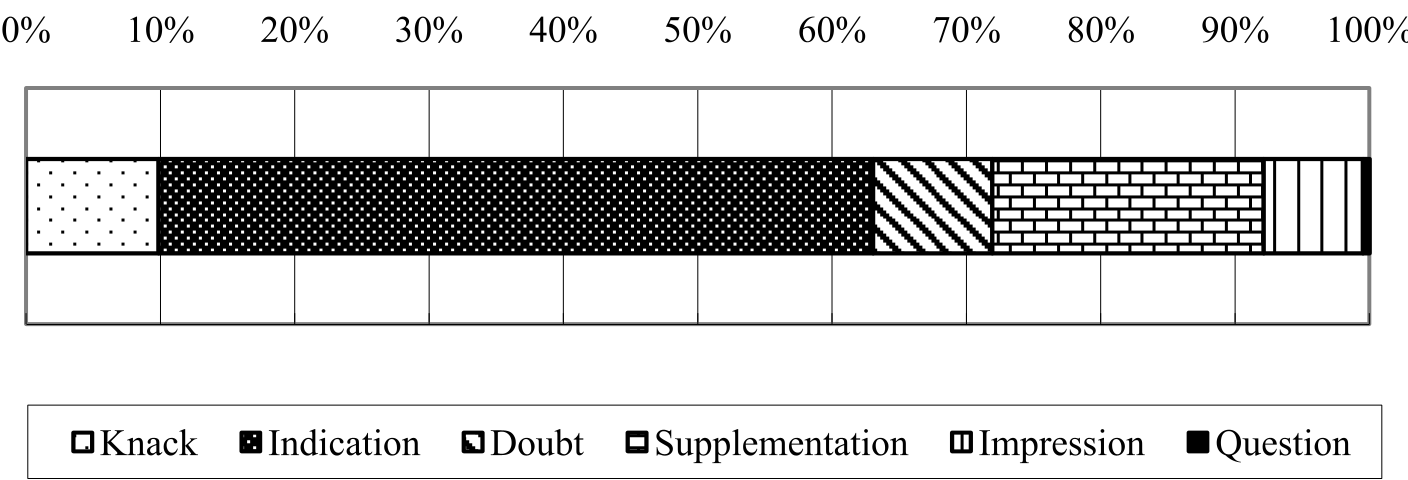
The results showed that most comments were categorized as "Indications" (pointing out specific details) or "Knacks" (practical tips). Interestingly, the "Intravenous Injection" videos received the highest volume of feedback, suggesting these high-frequency tasks are where nurses have the most accumulated wisdom to share.
Critical Analysis: The Barriers to Social Learning
While the system proved successful in extracting information, the study highlighted several real-world challenges:
- The Shift-Work Constraint: High access rates occurred during the 16:01–24:00 window (48.4%), but many nurses found it difficult to engage deeply during short breaks.
- Expert Boredom: Experienced nurses felt the basic instructional videos lacked "novel information." This suggests that for a knowledge-sharing system to thrive, content must be tiered by expertise level.
- Unilateral Communication: Most participants posted once but did not return for a "dialogue." The authors attribute this to a lack of familiarity with professional bulletin boards and the inherent "instructive" tone of the videos which discouraged debate.
Conclusion & Future Outlook
This field experiment confirms that video is a powerful anchor for tacit knowledge. It provides a "clue" that triggers memory and allows experts to articulate their movements. For future healthcare e-learning, the takeaway is clear: don't just provide a manual—provide a social space where the community can refine that manual in real-time.
The next frontier for this research involves optimizing video length for shift workers and creating a reward mechanism to encourage seasoned experts to move beyond "indications" into deep, collaborative discussions.
Keywords: Nursing Skill Video, Social Networking Service, SECI Model, Tacit Knowledge, Explicit Knowledge.