
Flame Detector: Quantifying Aggression in the Age of Social Networking
Flame Detector Model: A Prototype for Detecting Flames in Social Networking Sites
The paper introduces the "Flame Detector Model," a specialized system designed to identify and categorize offensive or abusive language (flaming) on social networking sites like Facebook and Twitter. The methodology employs RESTful web services for data extraction and pattern-matching algorithms to quantify aggression levels into five distinct intensity clusters.
TL;DR
Social networking has bridged the gap between strangers, but it has also given rise to "Flaming"—the use of abusive, offensive, and uninhibited language. This paper presents a prototype Flame Detector Model that uses web services and pattern-matching algorithms to not just detect these words, but categorize their intensity into clusters like "Hostile" or "Sarcastic," helping users maintain a "tidy" and professional digital footprint.
Background & Motivation: The CMC Paradox
Computer-Mediated Communication (CMC) offers temporal flexibility and physical separation, yet these very features invite conflict. Without the "brakes" of face-to-face interaction, users often descend into aggressive behaviors. The authors identify a critical gap: while users often break rules of communication unintentionally (e.g., using all-caps or excessive emoticons), there is no automated tool to mirror this behavior back to them or filter it out effectively to preserve professional integrity.
Methodology: How the Flame Detector Works
The system is built on a four-stage pipeline designed to be "plugged in" to existing platforms like Facebook, Twitter, or Orkut.
1. The Data Acquisition Layer
Using RESTful Web Services, the model interacts with social media APIs. By utilizing authorized Consumer Keys and Secret Keys, the local system fetches user statuses and wall posts directly from the cloud.
2. Detection via Pattern Matching
Once the status text is localized, the Flame Detector engine takes over. It employs string-searching algorithms—specifically Suffix Trees (Pat Trees) and Regular Expressions—to identify matches against a database of known flaming words and patterns.
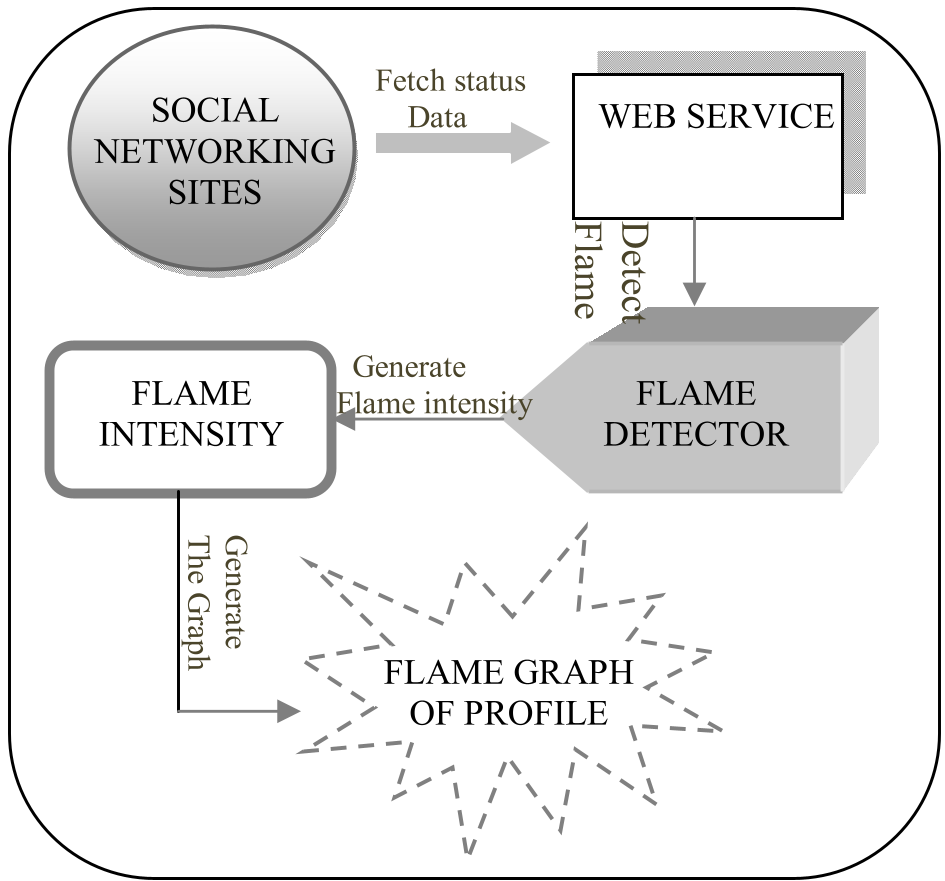 Figure 1: The overall workflow from SNS data extraction to intensity visualization.
3. The Five Clusters of Intensity
The core innovation lies in the Flame Intensity module. Rather than a binary "Safe/Unsafe" classification, the model assigns text to one of five clusters based on the perceived psychological state of the sender:
- Hostile: Opposed feelings, non-hospitable.
- Aggressive: Boldly assertive, tending toward unprovoked offense.
- Offensive: Highly irritating or disgusting to the sense.
- Uninhibited: Lacking social restraint or convention.
- Sarcastic/Flame: Bitter, ironic, or an explosive burst of strong sentiment.
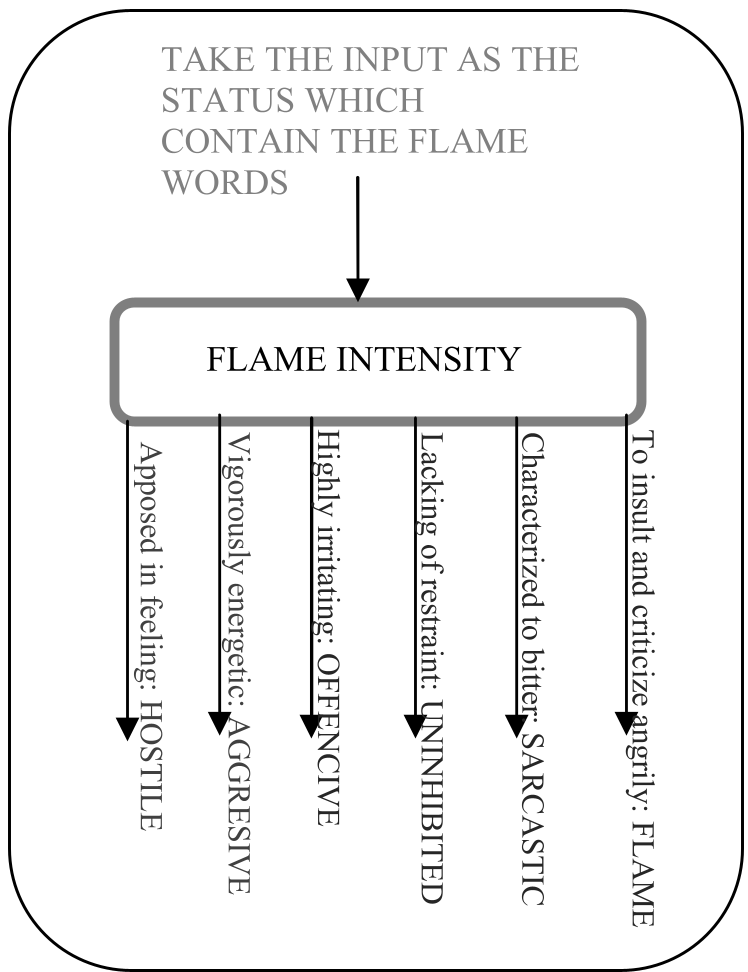 Figure 2: The logic flow for categorizing text into specific intensity clusters.
Why Context is the Final Frontier
The authors acknowledge a significant technical hurdle: Context. For instance, the word "dog" can be a neutral noun (animal) or a high-intensity insult. The prototype suggests the future integration of Artificial Intelligence to read previous statuses and predict intent, moving beyond simple keyword matching to understanding the "mind intensity" of the sender.
Experimental Analysis & Insights
The study reveals several socio-technical patterns:
- Demographics: Flaming is most prevalent among teenagers (18-23 years old).
- Gender Differences: Male users tend to have more "Not-Met" (stranger) friends and exhibit a higher frequency of flaming compared to female users.
- Formal Consequences: The authors note that "habitual flaming" (using slang or emoticons learned on SNS) often bleeds into formal applications to government officials or employers, leading to immediate rejection.
Critical Insight & Conclusion
The Flame Detector Model represents an early but essential attempt to quantify the "toxicity" of digital discourse. While it cannot entirely eliminate flaming, it acts as a behavioral mirror. By visualizing a profile's "Overall Intensity," it encourages users to delete mischievous words and understand the mentality of their interlocutors.
Limitations
- Static Database: The model relies on pre-stored patterns, which may struggle with evolving Internet slang.
- Irony Detection: Sarcasm remains notoriously difficult to detect via standard suffix trees without deep semantic analysis.
Future Outlook
As social networking moves toward business negotiations and formal education, tools like the Flame Detector will transition from "optional plugins" to "essential filters" for digital hygiene.