
Re-engineering Computer Science Education: The Flipped Classroom for Social Network Databases
Research of “Social Network Database System” Based on Flipped Classroom
This paper introduces a specialized instructional model for the "Social Network Database System" course by leveraging the Flipped Classroom philosophy. It transitions from traditional lecture-based instruction to a student-centered approach supported by a modern Web-based (B/S) information technology platform.
TL;DR
The paper presents a reformed teaching model for the "Social Network Database System" course, moving away from passive lecturing toward a Flipped Classroom approach. By utilizing a custom-built network platform for pre-class preparation and focusing on hands-on "development cases" during class time, the researchers achieved significant improvements in both student engagement and academic performance.
Context: This work serves as a practical implementation guide for engineering colleges looking to bridge the gap between "boring" database theory and "complex" technical practice.
The "Boring Theory" Bottleneck
In the traditional pedagogical landscape, instructors spend most of their time reciting theoretical database principles (Inductive Bias toward lecture). This leaves students with little time to master the actual craft of building a social network database. The authors identify three critical pain points:
- Insufficient Hours: Not enough time to cover both theory and complex coding cases.
- Passive Learning: Students often lose interest when theory is decoupled from application.
- Lack of Personalization: A "one-size-fits-all" lecture pace fails to account for varying student backgrounds.
Methodology: The Three-Stage Flip
The core of this research is a structured transition from teacher-led to student-assisted learning. The model is built on a B/S (Browser/Server) Architecture platform that serves as the digital backbone for the course.
1. Pre-class (Knowledge Transfer)
Students engage with self-directed materials, including 1-3 short videos per lesson focusing on specific database development skills. This moves the "Remembering" and "Understanding" phases of learning outside the classroom.
2. In-class (Knowledge Internalization)
This is where the "Flip" happens. The 90-minute session is strictly partitioned:
- 15 min: Summary and goal setting.
- 50 min: Hands-on social network database development (The Case Study).
- 15 min: Student presentations and optimization discussions.
- 10 min: Teacher feedback and wrap-up.
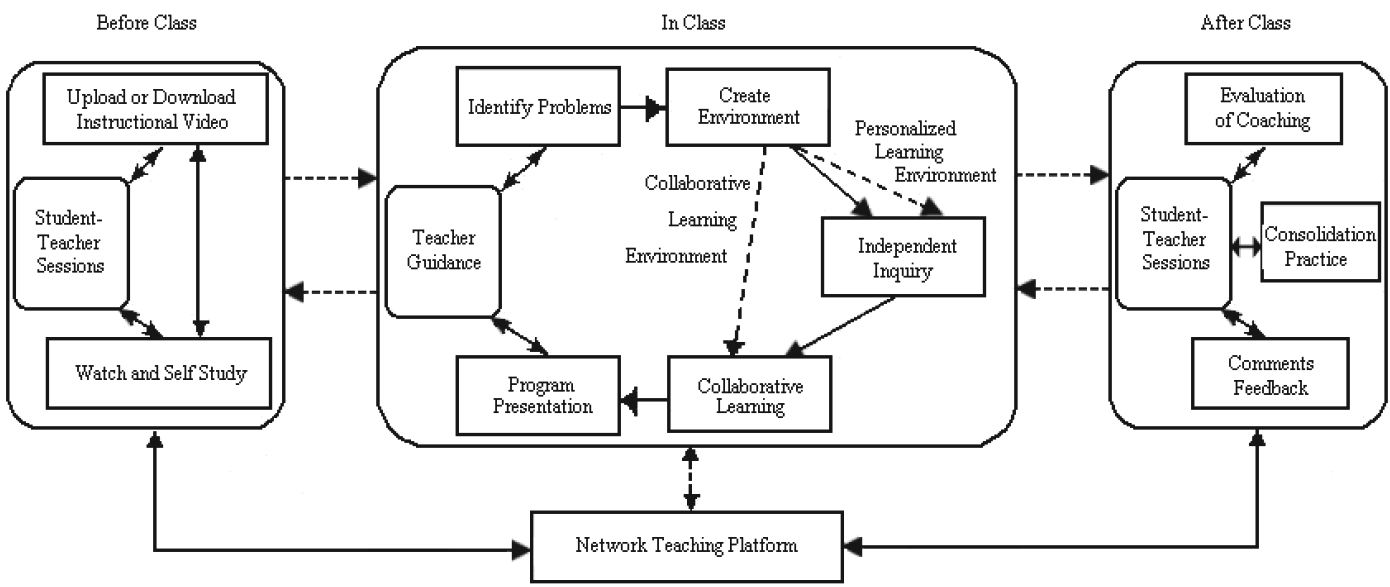 Figure 1: The structural framework of the flipped teaching model.
3. After-class (Solidification)
The loop is closed through online feedback, assessment uploads, and additional coaching exercises on the network platform to ensure long-term retention.
Evidence of Success: Experimental Results
To validate the model, the authors conducted a two-year study comparing a traditional class with an experimental "flipped" class (30 students each).
Key Metrics:
- Average Score Improvement: The "flipped" group averaged 75.23 vs 71.6 in the control group.
- Quality Distribution: The experimental class saw a 10% increase in "Excellent" grades and a notable reduction in failure rates.
- Qualitative Feedback: Students reported higher interest levels and improved problem-solving skills when dealing with real-world database scenarios.
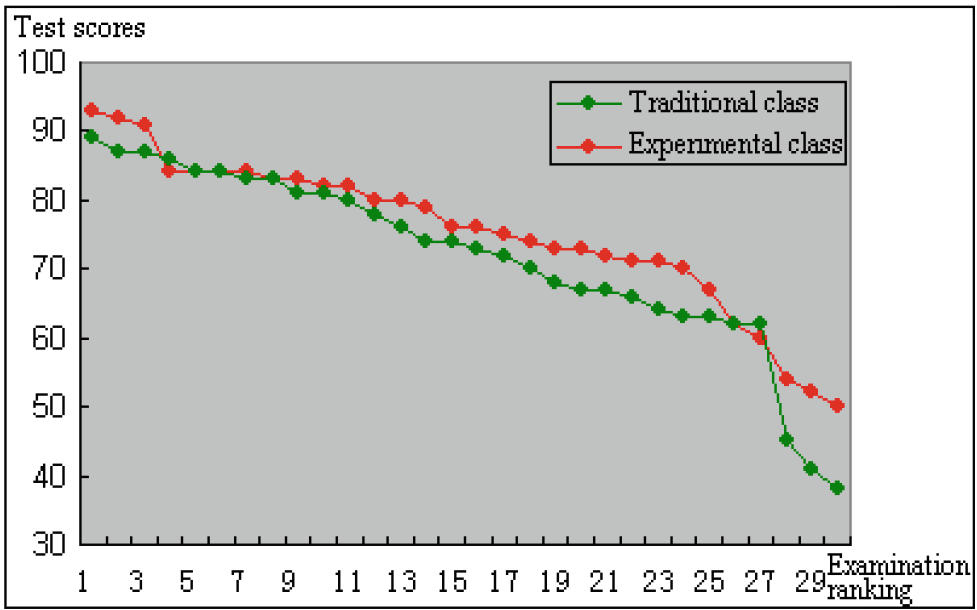 Figure 2: Academic performance distribution showing the shift toward higher score intervals.
Critical Insights & Conclusion
This study confirms that the Flipped Classroom is not just a trend but a necessary shift for technical engineering courses. The success of the model hinges on:
- The Network Platform: Without a robust B/S platform to manage data and resources, the flip becomes unmanageable for the instructor.
- The Shift in Teacher Role: The teacher must transition from a "sage on the stage" to a "guide on the side."
Limitations: While the results are promising, the study was conducted on a relatively small sample size (n=60). Future research should explore how this model scales to larger "Massive Open Online Courses" (MOOCs) where individual instructor guidance during the "In-class" phase might be spread thin.
Final Takeaway: For computer science educators, the "Social Network Database System" course demonstrates that moving the lecture to the video and the "homework" to the classroom is a superior strategy for developing the next generation of engineers.