
From Floating to Leading: How ICT Tools Transform Tourism SME Marketing Capabilities
From Floating to Leading: The Transformation of Digital Marketing Capabilities Through ICT Uptake in Tourism SMEs
This study investigates the transformation of digital marketing capabilities in tourism SMEs through the uptake of ICT-based tools. Using a multiple case study approach, it identifies a shift from "floating" (fragmented, reactive marketing) to "leading" (integrated, goal-oriented strategy), specifically highlighting improvements in cross-channel integration and customer journey management.
TL;DR
In the rapidly evolving digital tourism landscape, many SMEs are merely "floating"—surviving but not thriving. This research demonstrates how the active uptake of ICT-based tools (like SEO and Analytics) transforms passive business functions into sophisticated organizational capabilities. By moving away from agency dependence, small firms can transition to a "leading" state, characterized by integrated channels and goal-oriented customer journey management.
Context: The Skill Gap in Digital Tourism
While giant hotel chains have the resources to dominate search engines, tourism SMEs often view e-marketing as a black box. Research has historically treated e-marketing as a "business function" (something you do) rather than a "skill set" (something you master). This study breaks that mold, focusing on how micro and medium-sized enterprises actually develop the internal muscle to compete.
The "Floating" vs. "Leading" Framework
The core contribution of this paper is the identification of a transformative journey.
- Floating Tactics: Characterized by fragmented use of channels, one-way communication, and reactive, unconnected actions.
- Leading Tactics: Defined by cross-channel integration, data-driven decision-making, and a proactive focus on the customer's online journey.
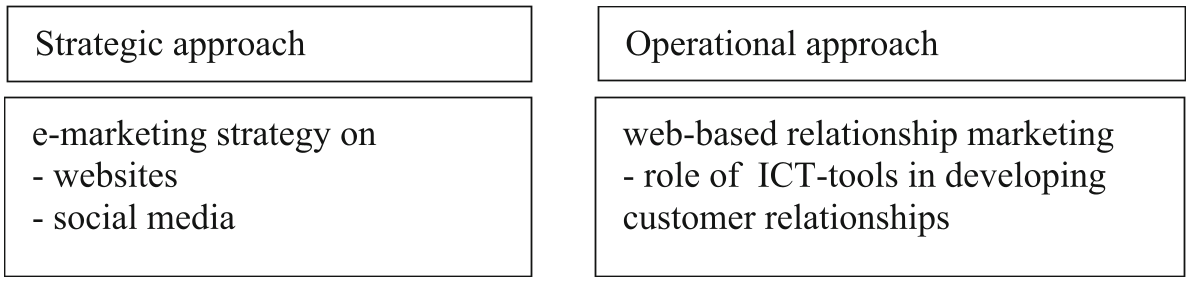 Figure 1: Traditional dimensions of e-marketing in tourism research.
Methodology: Insights from the Field
The researcher followed three distinct SMEs—an outdoor activity provider, a travel agency, and a castle hotel—during a digital training program. The goal was to see how using tools like Google AdWords and Search Engine Optimization (SEO) changed more than just their web traffic—it changed their internal culture.
The Four Transformative Capabilities
- Channel Integration: Moving from "we have a Facebook page and a website" to "our Facebook page drives specific traffic to a conversion-optimized landing page."
- Guiding the Journey: Transitioning from static information to active guidance (e.g., "We have clearly decided what the customers need to do on the websites").
- Goal-Oriented Planning: Shifting from sporadic updates to data-backed content creation.
- Market Expansion: Moving from local newspaper ads to national and international e-marketing campaigns.
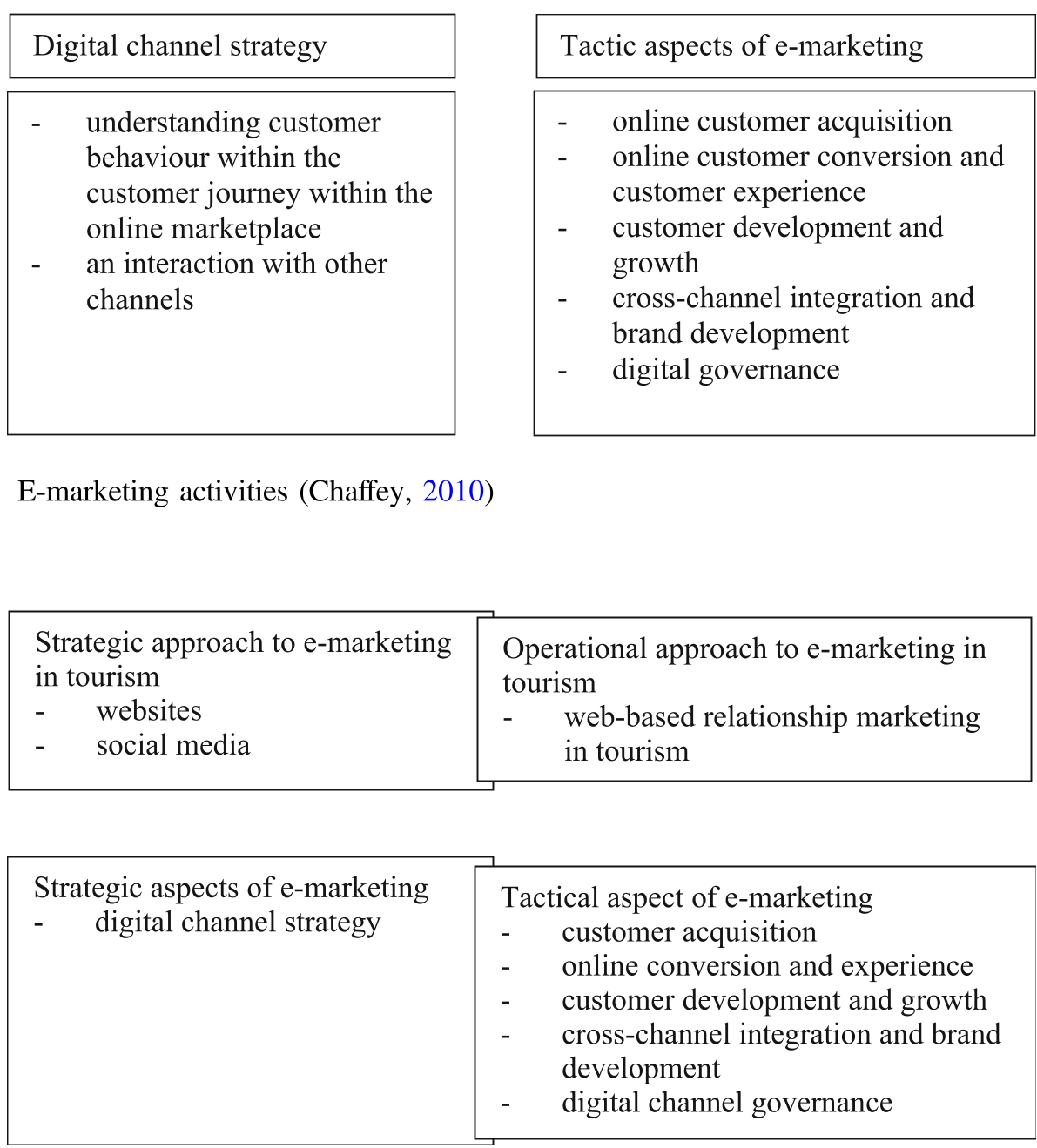 Figure 2: The conceptual model bridging tourism e-marketing and marketing capability theory.
Key Results: Retaking Control
The most striking result wasn't just an increase in numbers, but a shift in power dynamics:
- Agency Independence: As employees mastered Google Analytics, two out of three SMEs cancelled their contracts with marketing agencies. They realized they could analyze traffic and customer conversions better and more affordably themselves.
- Data-Driven Culture: Companies replaced vague marketing discussions with weekly meetings focused on website metrics and goal fulfillment.
- Efficiency: The "Leading" approach allowed one micro-company to enter international markets that were previously unreachable due to the costs of traditional advertising.
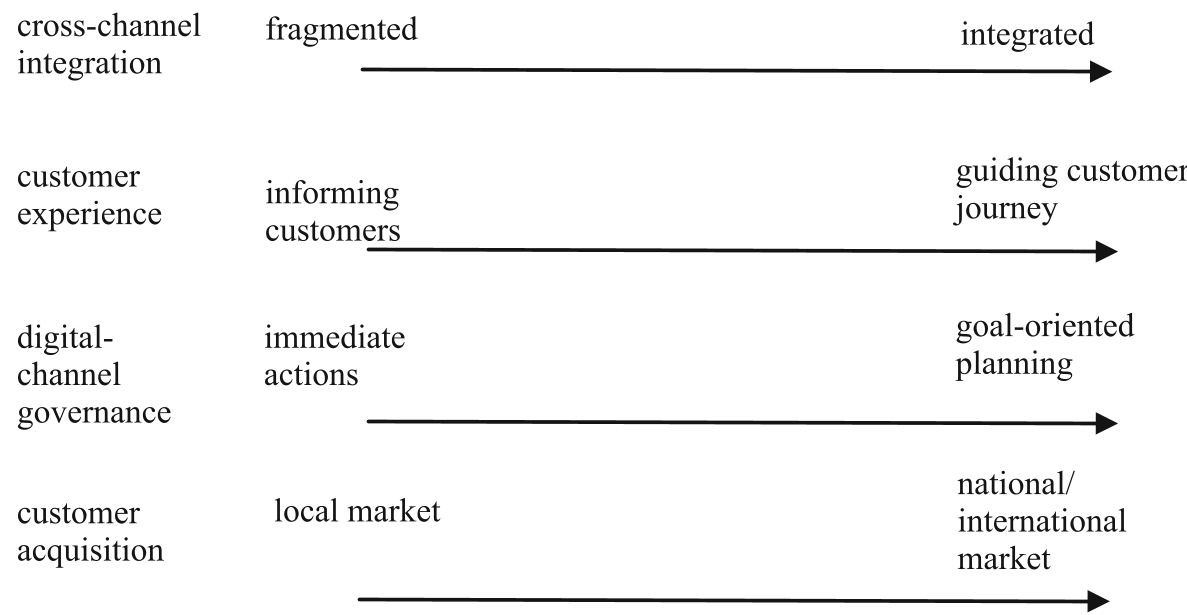 Figure 3: Summary of the transformation from Floating to Leading capabilities.
Critical Insight: The "Skill" Inductive Bias
This paper emphasizes that ICT uptake is not just a technological upgrade; it is a learning process. The "Transformation" happens when the tool ceases to be an external utility and becomes an internal capability.
Limitations: The study is based on a small sample of three Finnish SMEs and focuses primarily on B2C marketing. Future research should explore if these "Leading" tactics hold up in B2B environments or across different cultural tourism contexts.
Conclusion
For managers in tourism SMEs, the message is clear: Master the tools to master the market. Direct involvement in SEO and Analytics does more than save agency fees; it provides the strategic visibility required to lead the "web-marketing stream" rather than just drifting with the current.