
Fog Computing: The Architectural Cure for Modern Healthcare IoT
Fog Computing in Healthcare–A Review and Discussion
This paper provides a comprehensive review of Fog Computing architectures in healthcare informatics, proposing a classification for use cases (Mobile, Home, Hospital, etc.) and identifying core fog-based tasks such as data aggregation and local analysis. It argues that fog computing is essential for meeting healthcare's strict latency, privacy, and dependability requirements.
TL;DR
As healthcare moves toward "digitizing humans" via constant biometric monitoring, the traditional Cloud-centric model is hitting a wall. This paper reviews Fog Computing as the middle-tier solution—placing logic in gateways and routers to solve the trilemma of latency, privacy, and reliability. By offloading tasks like ECG feature extraction to the network edge, we move from reactive treatment to proactive, continuous care.
The Dying Pulse of Cloud-Only Healthcare
Wireless sensors are becoming as thin as band-aids and as small as sand particles. While these sensors generate a goldmine of data, the current "Sensor-to-Cloud" pipeline has three fatal flaws:
- The Dependability Gap: If a hospital's internet goes down, real-time monitors stop working. In critical care, a 5-minute outage can be a life-or-death event.
- Privacy Bottlenecks: Regulations often forbid sensitive patient data from leaving local premises.
- The Energy Drain: Constant raw data transmission to the cloud kills the battery life of wearable devices in hours.
Fog Computing introduces a decentralized layer that processes data before it ever reaches the cloud.
Methodology: Mapping the Fog
The authors categorize the "Fog" into distinct deployment scenarios and network hierarchies, moving beyond simple terminology to functional architecture.
The Deployment Matrix
- Mobile: Using smartphones as the primary fog hub.
- Home Treatment: Leveraging local LAN hubs for Parkinson's or Fall detection.
- Hospital: Managing complex, proprietary sensor networks via local data centers.
- Transport: Facilitating emergency data exchange in ambulances.
Architecture and Resource Allocation
The core of the methodology lies in identifying the Locus of Computation. Instead of a binary choice between "Device" or "Cloud," tasks are distributed across BAN (Body Area Network), PAN (Personal Area Network), and LAN (Local Area Network).
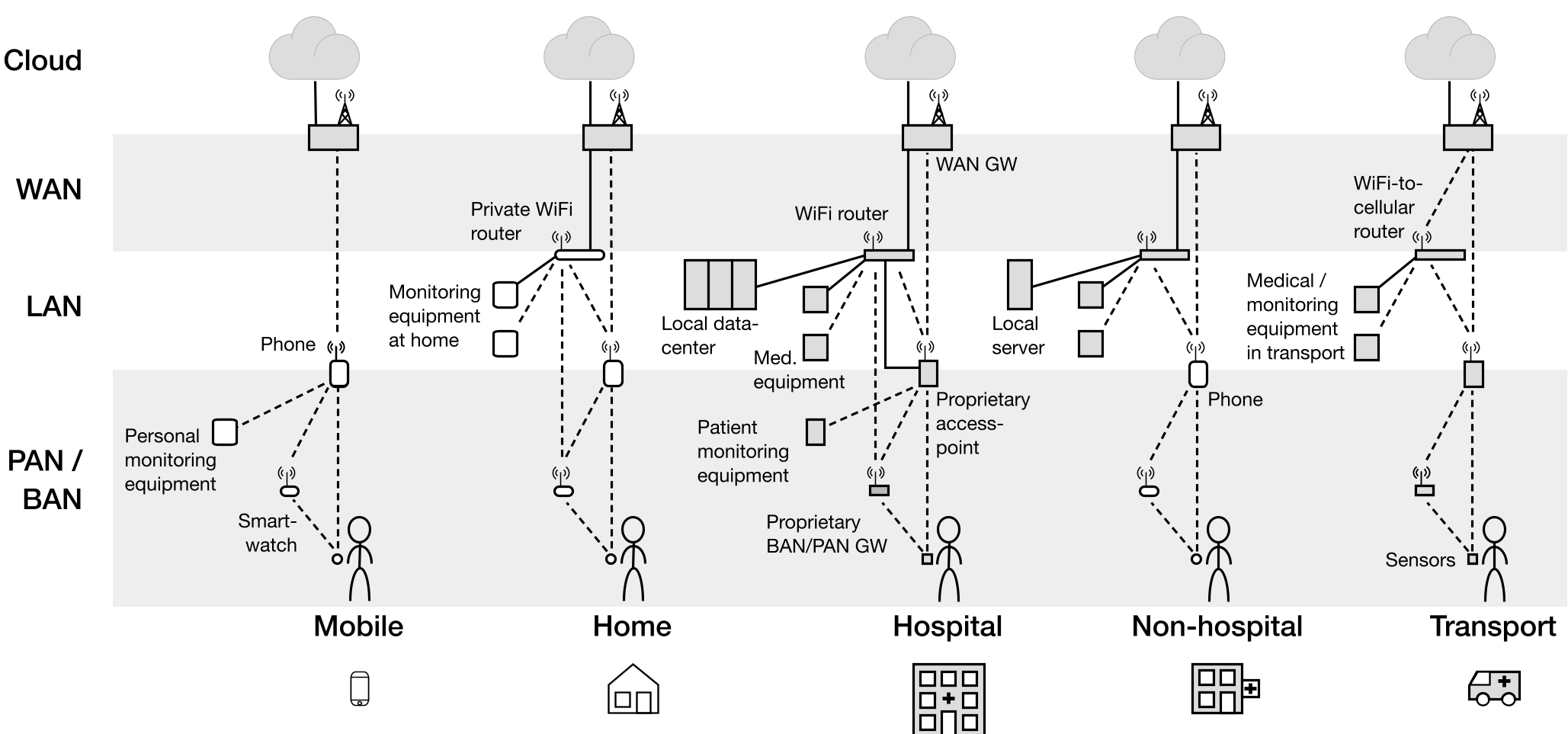 Figure 1: Visualizing the Fog between the sensors and the cloud.
Key Insights: Why Fog Works
The paper highlights several technical "Why's" that justify the shift to Fog:
1. Bandwidth Management
Biometric signals vary wildly. While temperature needs only 2.4 bit/s, a 192-lead EEG requires nearly 1 Mbit/s. Fog nodes can perform local "Feature Extraction"—sending only the "anomalous" data points to the cloud rather than the raw, noisy stream.
2. Latency & Determinism
By offloading to a local "Cloudlet" or gateway, latency can be reduced by nearly 3x. More importantly, Fog makes latency predictable, which is a prerequisite for "Tactile Internet" applications like controlling exoskeletons for paralyzed patients.
3. Security as a Service
Fog nodes act as Privacy Mediators. They can perform heavy cryptographic operations (AAA - Authentication, Authorization, and Accounting) that tiny 8-bit sensor processors cannot handle.
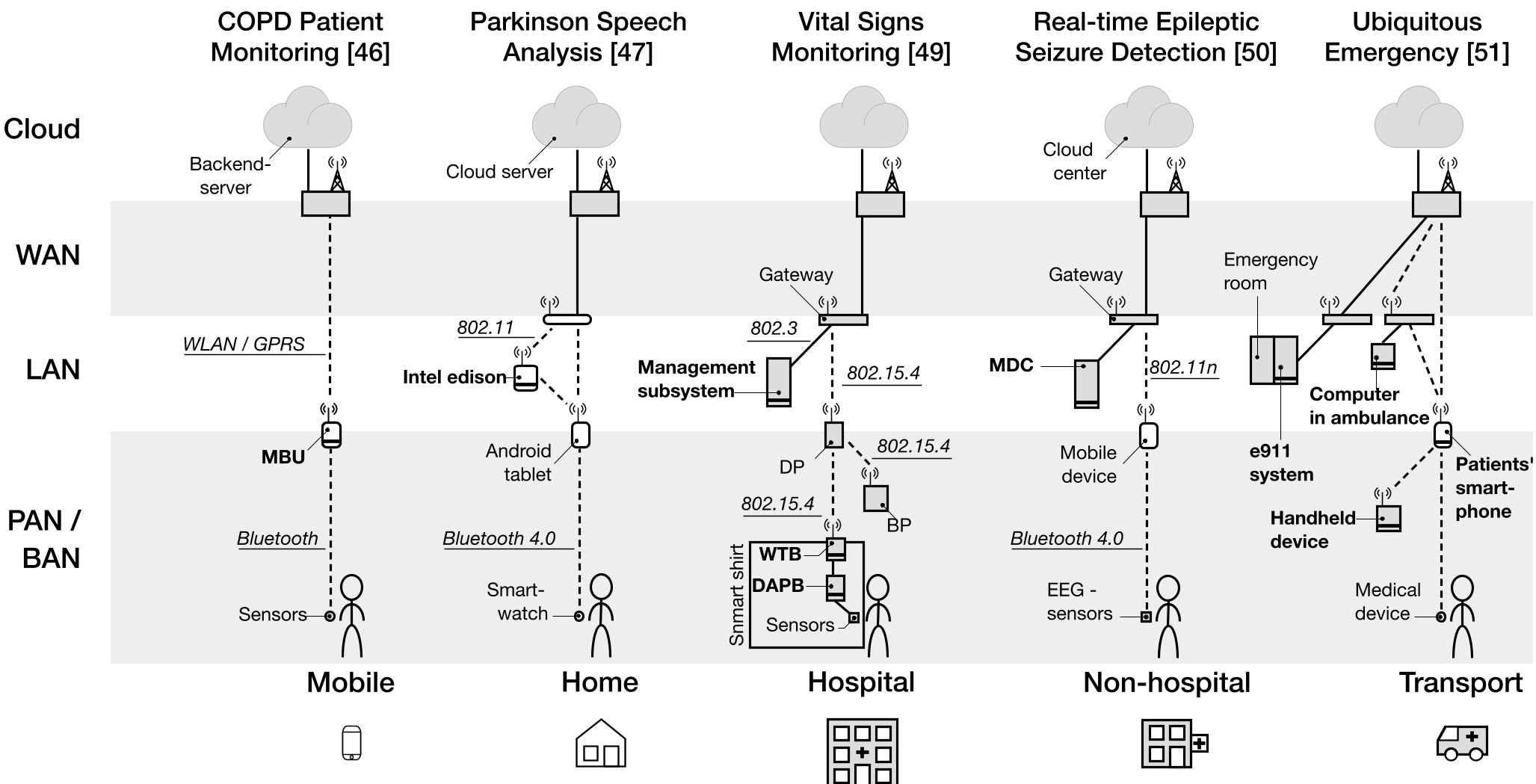 Figure 2: Real-world examples of Fog Computing across different scenarios.
Critical Analysis & Future Directions
The authors reach a sobering conclusion: while the technology exists, the strategy is fragmented. Current implementations are "isolated silos"—a fall detection system here, a heart monitor there—each with its own proprietary gateway.
The Road Ahead:
- Standardization: We need a "Continua Alliance" for Fog Computing to allow different vendors' sensors to share the same edge resources.
- Autonomic Management: The network must be self-aware, automatically deciding whether to process a task locally or in the cloud based on current battery levels and network congestion.
- Verifiable Computing: How do we trust a "Fog Node" that isn't owned by the hospital? The paper calls for research into trust models for decentralized medical networks.
Conclusion
Fog computing is the "architectural ingredient" that will enable the next generation of healthcare. By moving intelligence to the edge, we achieve a system that is not only faster and more private but, most importantly, more resilient.