
From Trash to Table: How "Upcycling" Cues Can Solve the Food Waste Crisis
From food waste to value‐added surplus products (VASP): Consumer acceptance of a novel food product category
This research defines and investigates a new food category called Value-Added Surplus Products (VASP), created from safe ingredients usually discarded during production. Through three empirical studies, the authors identify "Upcycled" as the most effective consumer-facing label, positioning VASP as a distinct, premium-leaning category comparable to organic food.
TL;DR
Global food waste is a trillion-dollar problem, but a new study suggests a marketing-led solution: Value-Added Surplus Products (VASP). By strategically using the label "Upcycled" and focusing on societal benefits, researchers found that consumers are willing to accept—and even prioritize—foods made from ingredients previously destined for the dumpster.
The Waste Dilemma: A Mental Schema Problem
Between 30% and 40% of all food in the U.S. is never eaten. While the environmental costs are staggering, the commercial hurdle is primarily psychological. Consumers suffer from "categorization flexibility" issues—when they see a product made from "scraps," their immediate reaction ranges from skepticism to disgust.
The authors of this paper argue that the barrier isn't the quality of the food (which is safe and nutritious), but the cues used to describe it.
Methodology: The Power of Extrinsic Cues
The researchers utilized Cue Utilization Theory, which posits that in low-involvement decisions (like buying soup), consumers rely on extrinsic cues (labels, brand name) rather than deep analysis. They conducted three critical studies:
- Identity Mapping: Comparing VASP to Conventional and Organic foods.
- Linguistic Optimization: Identifying which terms (e.g., Upcycled, Reprocessed, Rescued) resonate best.
- Benefit Framing: Determining if "benefit to self" or "benefit to society" drives preference.
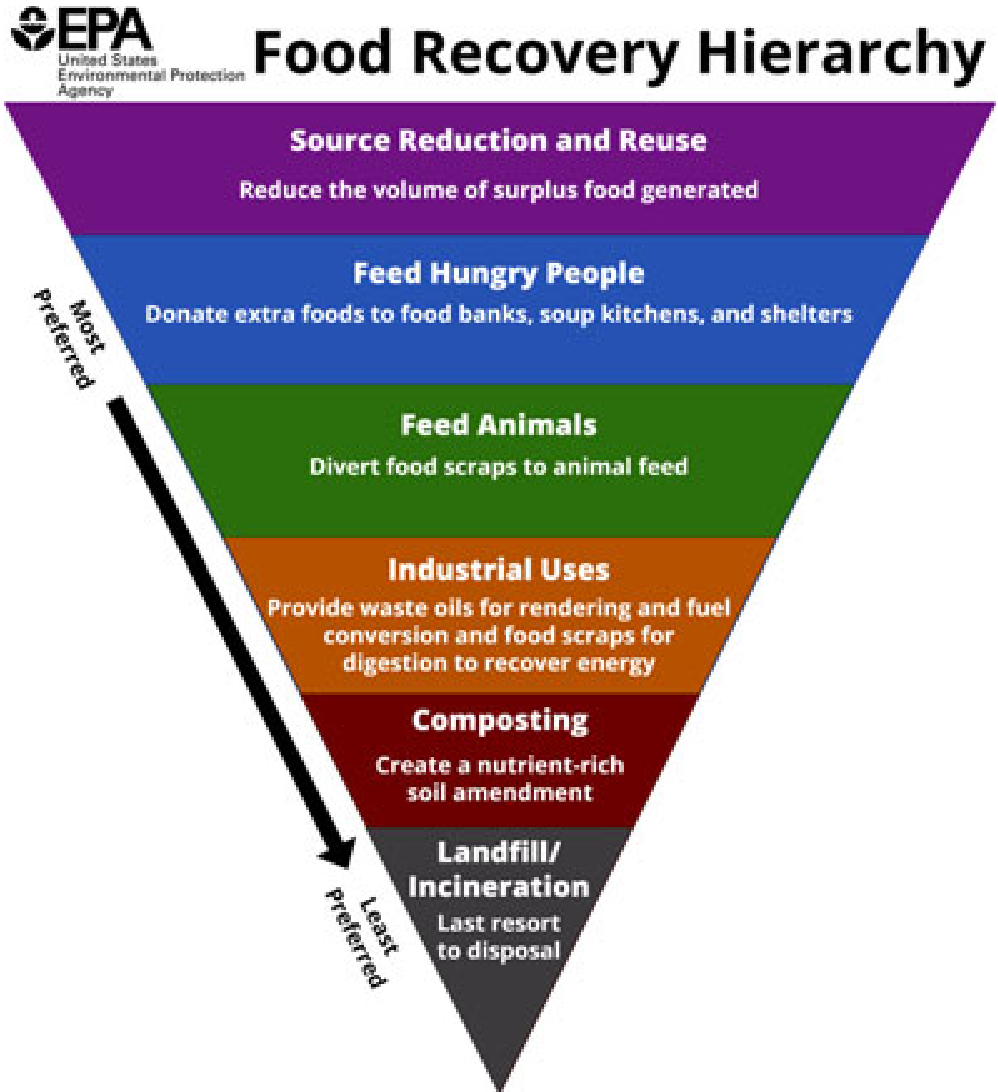
Key Insights: Why "Upcycled" Wins
The study discovered that the term "Upcycled" acts as a powerful cognitive bridge. Unlike "reprocessed" (which sounds industrial) or "rescued" (which sounds charitable), "upcycled" suggests a value-add.
1. The Premium Perception
VASP foods were perceived as significantly more environmental than conventional foods. In fact, consumers viewed VASP as being closer to Organic food than standard groceries. This suggests that "upcycled" items could potentially command a price premium.
2. Altruism as a Driver
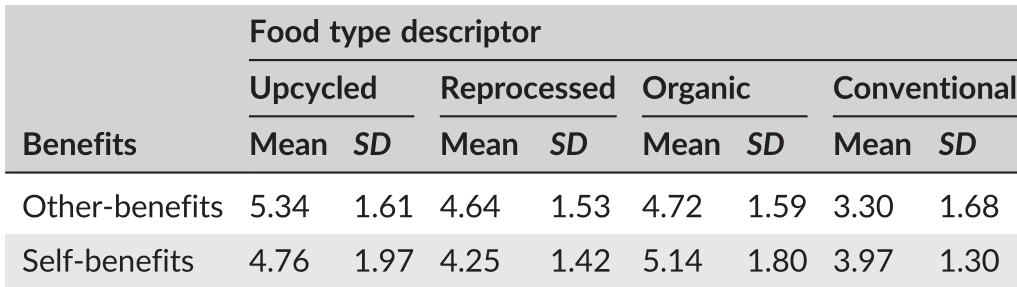
As shown in the table below, "Upcycled" labels triggered higher perceptions of "Other-benefits" (societal impact). Consumers are more motivated to buy these products when they feel they are contributing to the welfare of the planet.
Experimental Validation
In Study 3, the researchers tested the interaction between labels and benefits. While "Reprocessed" food was seen as inferior in terms of self-benefit, "Upcycled" food successfully competed with Organic options.
- Upcycled VASP: High societal benefit, high self-benefit.
- Reprocessed VASP: Low self-benefit, perceived as "industrial" and less "healthy."
Critical Analysis & Professional Implications
The Takeaway for Marketers
This research proves that the "trash origin" of ingredients is not a death sentence for a product. However, the branding must be precise. Using words like "resorted" or "reprocessed" can trigger the "yuck factor," while "upcycled" frames the product as an innovative, premium solution.
Limitations
The study focuses heavily on extrinsic cues. In reality, once a consumer tastes the product, intrinsic cues (flavor, texture) will determine repeat purchases. If an upcycled granola bar doesn't taste good, the most sophisticated "societal benefit" label won't save it.
Future Outlook
This work sets the stage for a new "Upcycled" certification, similar to "USDA Organic." As sustainability becomes a core consumer value, VASP category development represents a massive opportunity for food tech startups and established manufacturers to turn "waste costs" into "profit centers."
Professional Summary: This paper provides the first empirical evidence that food waste can be successfully rebranded as a premium category. By leveraging "Upcycled" as a diagnostic cue, the food industry can align consumer psychology with environmental necessity.