
Driving Tourism Demand Forecasts with Social Network Sentiment and GBRT
A Forecast Model of Tourism Demand Driven by Social Network Data
This paper introduces a tourism demand forecasting model that fuses social network data with traditional variables using BERT-based sentiment analysis and Gradient Boosting Regression Trees (GBRT). Applied to Huangshan scenic area, the model achieves a significant accuracy improvement, maintaining a Mean Absolute Percentage Error (MAPE) of 4.74%.
Executive Summary
TL;DR: This paper presents a novel forecasting framework that bridges the gap between digital sentiment and physical travel. By quantifying Weibo social network data via BERT and feeding it into a Gradient Boosting Regression Trees (GBRT) model, the researchers achieved a MAPE of 4.74% in predicting daily arrivals at Huangshan, significantly outperforming traditional statistical and machine learning baselines.
Positioning: This work moves beyond traditional "historical-only" forecasting by treating social media as a real-time behavioral sensor, establishing a state-of-the-art (SOTA) benchmark for short-term scenic area management.
The "Precursor Effect": Why Social Data Matters
Traditional models like ARIMA or SVR often look backward—relying on what happened last year or last week. However, tourism is driven by human intent, which manifests online days before a trip occurs.
The authors identify a "precursor effect": individuals share intentions and seek destination advice on social platforms. By capturing this digital footprint through sentiment analysis, we can "see" a spike in demand before the first tourist arrives at the gate.
Methodology: From Text to Prediction
The system architecture follows a sophisticated pipeline from raw unstructured text to a structured regression output.
1. NLP Quantification with BERT
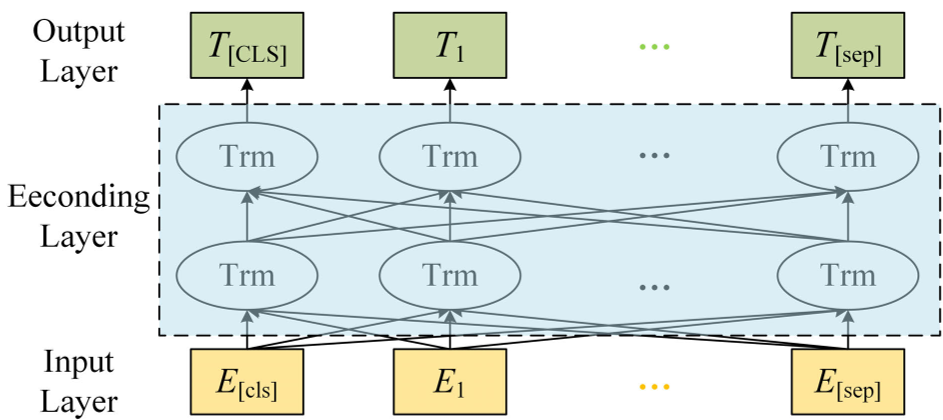
The authors use a BERT-FC (Fully Connected) architecture to process social media posts. Unlike simpler word-frequency models, BERT understands the context of travel intentions. The output is a quantified sentiment score that represents the "heat" of a destination.
2. The GBRT Ensemble
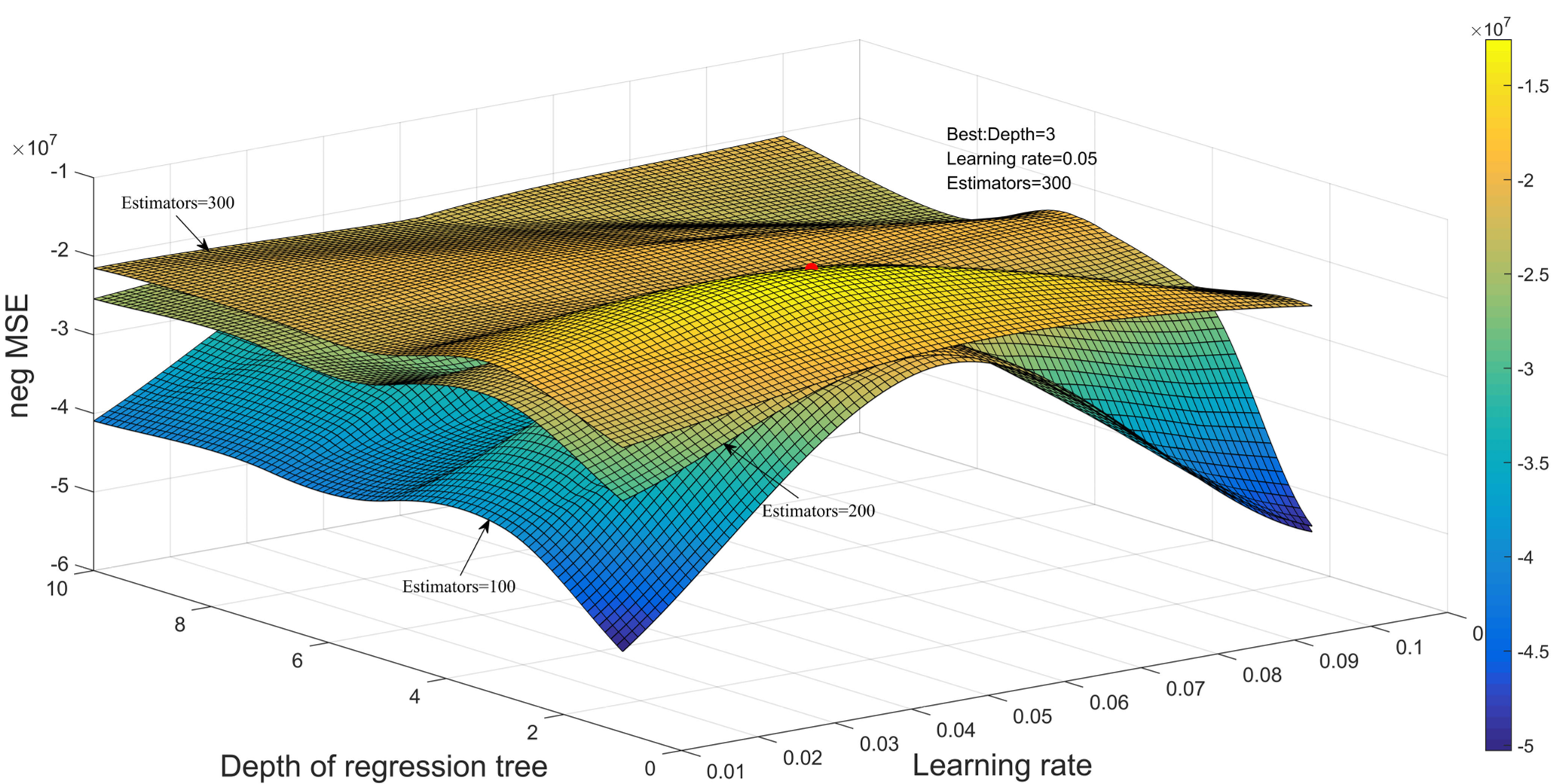
Why GBRT? Unlike black-box neural networks, GBRT provides Feature Importance, allowing researchers to see exactly which factors (e.g., historical volume vs. social sentiment) are driving the prediction. The model handles "lagged variables"—specifically looking at social sentiment from 1, 2, and 3 days prior—to capture the delay between planning and traveling.
Experimental Results & Insights
The empirical study conducted at Huangshan proves the efficacy of this multi-source approach.
SOTA Performance
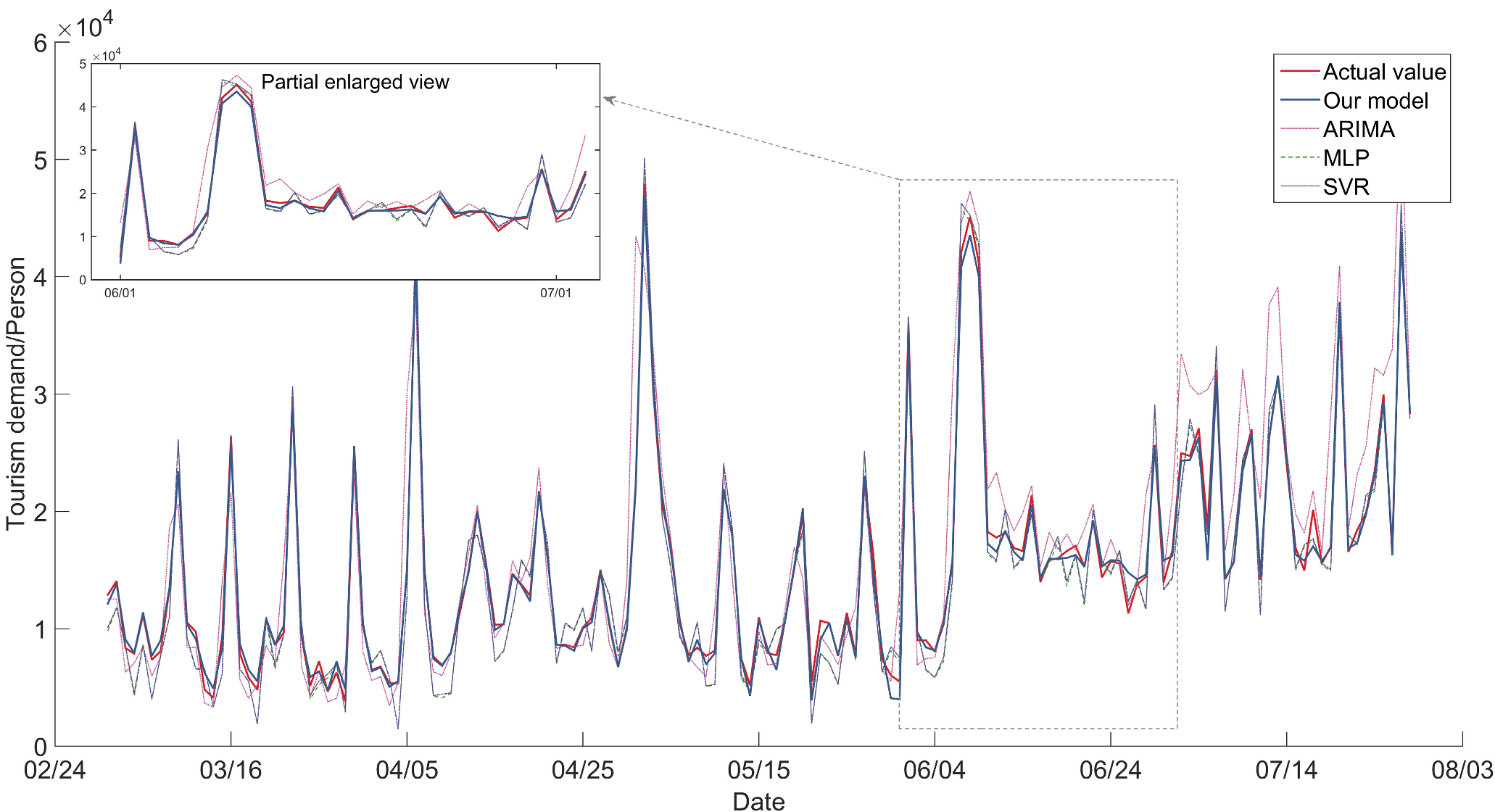
The proposed model achieved a MAPE of 4.74%, a massive improvement over:
- ARIMA (19.82%): Struggled with non-linear volatility.
- SVR (14.48%): Failed to integrate the nuance of social sentiment effectively.
- MLP (14.55%): Showed unstable accuracy compared to the ensemble approach.
Ablation and Importance
The study’s feature importance ranking revealed that while Historical Volume remains the strongest predictor (46.33%), 2-day Lagged Social Sentiment is the second most vital feature (27.02%), even outweighing holidays and weather. This confirms that social networks are not just "noise"—they are high-signal predictors.
Critical Analysis & Conclusion
Takeaway: The integration of BERT for sentiment quantification and GBRT for regression creates a robust framework for short-term prediction. The real value lies in the Lagged Variable insight, proving that digital sentiment takes roughly 48 hours to translate into physical foot traffic.
Limitations: The model is designed for "normal circumstances." It may fail during black-swan events (like major public health crises) where sentiment and behavior decouple abruptly.
Future Outlook: This methodology can be extended to urban traffic management and retail demand planning, where social media sentiment often precedes physical surges in activity.