
Beyond the Graph: Decoding Friendship via Social Genomes and Pareto Optimization
Friend recommendations in social networks using genetic algorithms and network topology
This paper introduces a hybrid friend recommendation system that combines Complex Network Theory with Cognitive Theory via a Pareto-optimal Genetic Algorithm (GA). Tested on 1,200 Facebook users, the system integrates structural topology and personal interests to significantly improve link prediction accuracy.
TL;DR
Researchers from the University of Nevada have developed a hybrid recommendation engine that treats friendship not just as a graph problem, but as a cognitive one. By combining Network Topology (who you are connected to) with a Social Genome (why you connect), they achieved a ~42% performance boost over traditional network-based methods.
Academic Positioning: This work bridges the gap between Complex Network Theory and Cognitive Psychology, moving recommendation research from simple structural heuristics toward personalized evolutionary optimization.
The Problem: Why "Friends of Friends" Isn't Enough
Most social platforms use the Friends-of-Friends (FoF) approach. The logic is simple: if Alice knows Bob, and Bob knows Charlie, Alice might like Charlie. While efficient, this is a "blind" structural heuristic. It fails to account for:
- Heterogeneity: Different people have different "friendship filters" (e.g., some value shared location, others value shared politics).
- Cognitive Drift: Human perception of friendship is a multi-dimensional belief system that evolves over time.
Purely interest-based (social) filters also fail because they lack the "social context"—recommending a stranger who likes the same music but lives 5,000 miles away is often useless.
Methodology: The Two-Step Filter & The Social Genome
The authors propose a sophisticated pipeline to balance structural probability with personal preference.
1. The Structural Filter
The system first prunes the massive search space of a social network using:
- Friends-of-Friends: To identify candidates with existing social bridges.
- Degree Centrality: To include "popular" nodes (extroverts) who are traditionally more likely to form new links.
2. The Pareto-Optimal Genetic Algorithm
This is the core innovation. The authors represent an individual’s friendship preference as a 10-dimensional binary Social Genome. Genes include features like shared photo tags, age range, location, and education.
- Evolution: For each user, the GA evolves a population of genomes to find the best "filter" that matches their current set of friends.
- Pareto Domination: Instead of a simple weighted sum, they use Pareto frontiers to handle multi-objective optimization. This ensures that a candidate is only ranked higher if they are better across multiple social dimensions without being worse in others.
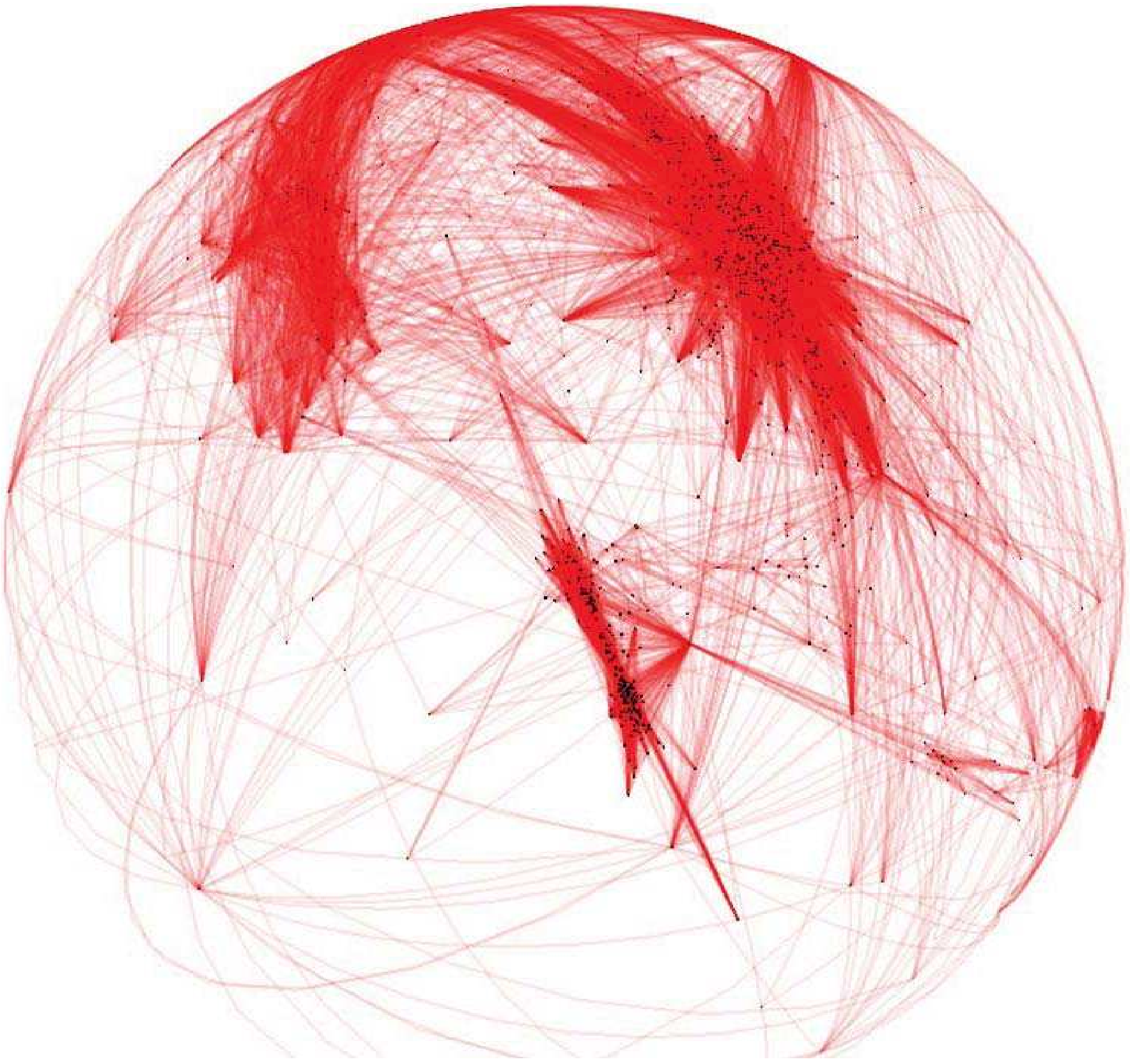 Fig 1: A visualization of the 1,200 Facebook users' network topology used for initial filtering.
Experimental Battleground: Facebook Data
The researchers tested the algorithm on 1,200 Facebook users. To validate, they randomly removed 10 friends from a user's list and challenged three algorithms to "find" them again.
| Approach | Average Return Rate | Logic |
|---|---|---|
| Social Only | 6.83% | Matches interests only; loses to noise. |
| Network Only | 22.38% | FoF logic; misses personal nuance. |
| Combined (Hybrid) | 31.78% | The Winner: Uses topology to find "where" and Genome to find "who." |
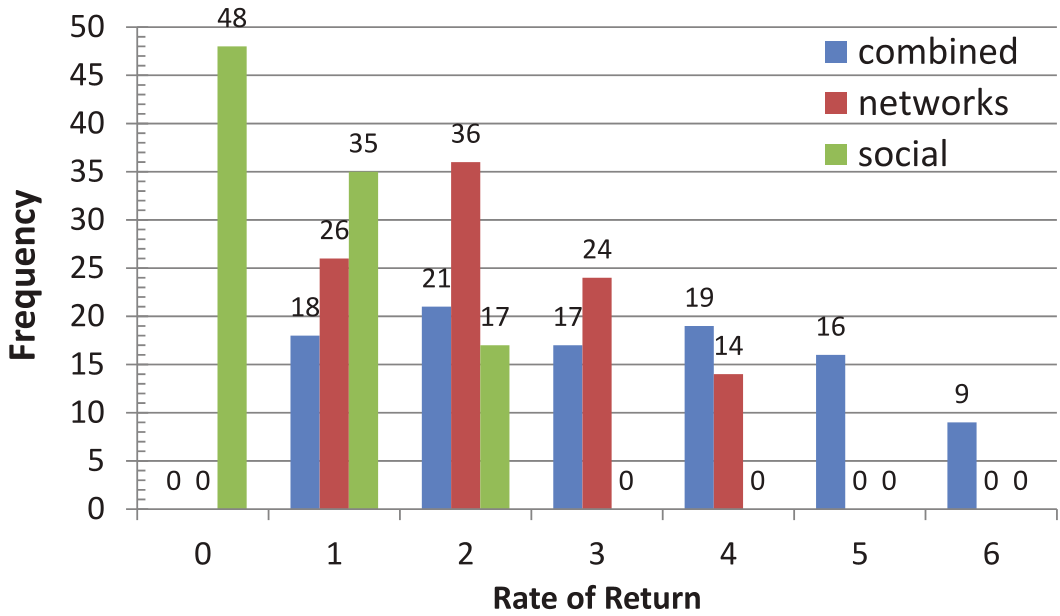 Fig 2: Frequency of correct recommendations. Note the significant shift to the right for the Combined method.
Deep Insight: The Value of Data Completeness
A critical takeaway from the study is the "Limitation of Truth." The GA performs exceptionally well when Facebook profiles are complete and honest. However, social-based approaches are vulnerable to "false information" or private profiles.
The success of the hybrid method suggests that network structural data acts as a safety net—even when social data is sparse, the topology keeps the recommendation within the realm of possibility.
Critical Analysis & Future Outlook
While the 10-bit binary genome is a strong start, it is somewhat reductionist. Future iterations would benefit from:
- Continuous Weights: Replacing binary genes with floating-point values to represent the "strength" of an interest.
- Dynamic Genomes: Updating the genome in real-time as users interact with new content.
Conclusion: By mathematicalizing "friendship perception" through Pareto optimization, this paper proves that the best recommendation systems of the future won't just look at the graph—they will look at the human.
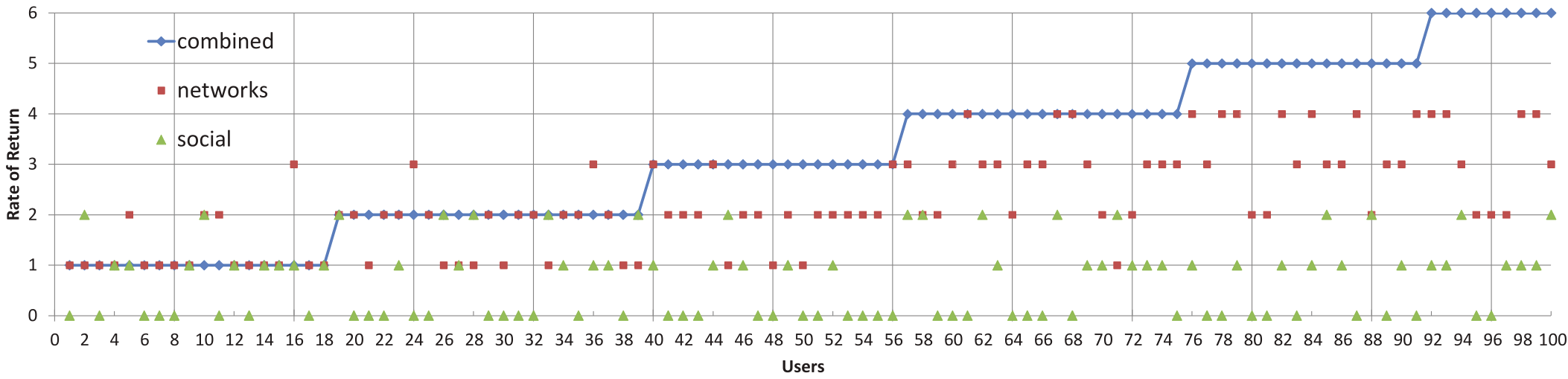 Fig 3: Performance across individual test subjects, demonstrating the consistent superiority of the hybrid approach.