
From Street to Tweet: Using Task Technology Fit to Decode Digital Activism
From the Street to the Tweet: Applying Task Technology Fit to Examine the Information Technology Role in Revolutionizing Social Movements
This paper applies the Task Technology Fit (TTF) model to the domain of consumer activism, specifically analyzing the "SURGE Movement" on Facebook. It explores how the alignment between social media functionalities and the requirements of social movements facilitates successful collective action and organizational change.
TL;DR
Can a Facebook group force a global giant like Coca-Cola to bring back a discontinued product? The answer is yes, but only if the technology "fits" the task. This paper applies the Task Technology Fit (TTF) model to the "SURGE Movement" to explain how the specific features of social media platforms determine the ultimate success or failure of consumer activism.
Contextual Positioning
This work bridges the gap between organizational IT theory and sociological movement studies. While most research treats social media as a "black box" for communication, this paper positions it as a specialized toolset where the Inductive Bias of a platform (e.g., Facebook's community focus vs. Twitter's broadcast focus) dictates its effectiveness for social change.
Analysis of the Problem: Why Logic Matters More Than Likes
The authors identify a persistent issue in digital activism research: the lack of a structured model to evaluate why certain movements thrive on specific platforms.
- The Limitation of Prior Work: Existing studies often focus on the "what" (the outcome) or the "who" (the activists) but ignore the "how" (the technical alignment).
- The Insight: The authors argue that activism is a "task" requiring specific inputs to generate outputs. If the technology’s functionalities (e.g., information sharing, global reach, interactivity) do not align with the movement's requirements (e.g., centralized leadership, community engagement), the movement will likely fail regardless of its cause.
Methodology: The TTF Framework in Action
The core of this research is the mapping of the Task Technology Fit Model onto the SURGE Movement.
1. The Model Architecture
The researchers break down the movement into four critical components based on Goodhue and Thompson’s TTF model:
- Task Characteristics: The mission to bring back SURGE soda and sustain the brand.
- Technology Characteristics: Facebook’s ability to create fan pages, host rich media, and allow asynchronous communication.
- The FIT: The degree to which Facebook’s features satisfied the movement's need for a "centralized community Hub."
- Performance Impact: The tangible result—Coca-Cola capitulating in 2014.
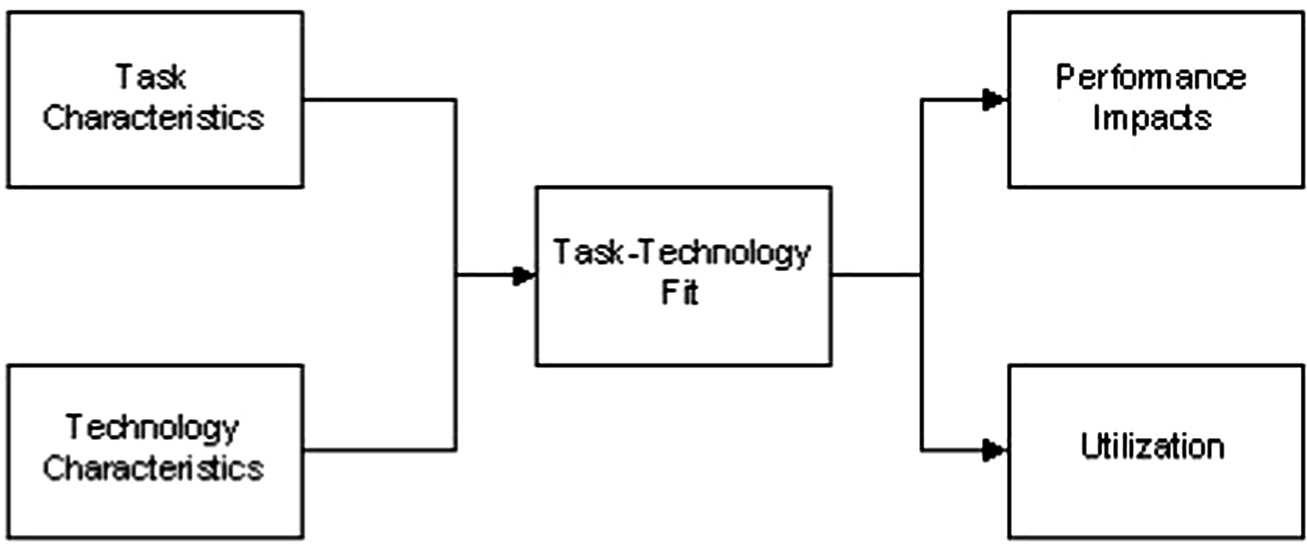 Figure: The classic TTF model applied to the study.
2. Mixed-Methods Data Collection
The study doesn't just theorize; it uses a multi-pronged data approach:
- Qualitative: Sentiment analysis of posts and comments using Nvivo 12 Plus.
- Quantitative: Online surveys of the 352,000+ Facebook followers.
- Expert Interviews: Direct engagement with movement organizers to understand their tool selection process.
Experiments and Key Findings: The Power of the "Fit"
The researchers compare the success of the movement on different platforms:
- Facebook vs. Twitter: The movement saw massive success on Facebook due to its "Fan Page" architecture, while its Twitter presence (shown below) remained less popular. This validates that the "Fit" for community building was superior on Facebook.
 Figure: The "SURGE Movement" Facebook page, the primary engine of the campaign.
- The Results:
- Community Scale: Over 352,000 active participants.
- Longevity: Sustained interaction for over two years before a corporate response.
- Outcome: Permanent re-introduction of the brand to the market.
Critical Insights & Future Directions
Why it Works
The paper effectively argues that social media has democratized activism by lowering the cost of "coordination." The Task Technology Fit is the hidden variable: if the goal is a boycott, Twitter’s viral hashtags are the "Fit"; if the goal is brand restoration and community maintenance, Facebook’s "Groups/Pages" are the "Fit."
Limitations
The study is heavily focused on a single case (SURGE). While it provides a deep dive, the generalizability to more complex political movements (where "Fit" might involve security and encryption) is not fully explored.
The Takeaway
For developers of future social media platforms, the message is clear: users will repurpose your "entertainment" tools for "activism." Designing with modularity and community-governance features in mind may be the key to the next generation of social movement technology.
Conclusion
This paper is a vital read for anyone interested in the intersection of Information Systems and Social Change. It reminds us that behind every viral movement is a structural alignment between the tools we use and the goals we seek to achieve.